
A replacement that matches only the screw diameter and lead can still fail because the nut envelope, return path, shaft ends, preload, or accuracy class differs from the original. By the end, you will have a measurement checklist, a way to compare rolled, ground, genuine, and compatible assemblies, and a supplier brief that exposes unsuitable options before installation.
Key takeaways
- Match nut geometry, return-system layout, wipers, and shaft ends—not diameter and lead alone.
- Read the HIWIN part number, drawing, and installed assembly before requesting a quote.
- Choose genuine, compatible, rolled, ground, or lead-screw options by axis accuracy and duty.
- Give the supplier load, speed, travel, accuracy, preload, and mounting requirements.
Identify the original HIWIN assembly before requesting a quote
A 25 mm diameter × 10 mm lead does not identify a replacement. The nut’s outside diameter, length, flange or non-flange form, hole pattern, return-system envelope, screw orientation, wipers, and shaft-end geometry must also match. Two assemblies with the same nominal diameter and lead can be mechanically incompatible.
- Record the screw diameter, lead, overall length, effective threaded length, axis stroke, nut model, flange dimensions, mounting-hole centres, shaft-end diameters, keyway, shoulder positions, and motor-coupling dimensions. Photograph the label, nut, return system, supports, coupling, and damaged raceways with a scale beside each part.
- Send the machine model, axis name, required accuracy, preload class, lubrication type, and failure symptoms with the request. Include backlash, pitting, brinelling, fretting, abnormal torque, or lost positioning accuracy; these details determine whether a screw-only quote is unsafe.
- Request the original HIWIN drawing or part-number interpretation, then compare it with the proposed replacement drawing or certified dimensional table. Demand lead-accuracy data measured on a stated basis, ISO 3408 class, preload, material and heat treatment, inspection results, and traceable part identification.
- Specify a matched screw-and-nut assembly unless the existing nut passes preload and backlash checks. A new nut on a damaged raceway can create high breakaway torque, rapid wear, or ball-circulation failure.
For industrial ball screw for options in Chennai for HIWIN machine replacements, treat “compatible” as a documented dimensional and performance claim, not proof of an original part. The same applies when evaluating a HIWIN ball screw replacement in Chennai.
Read the part number, drawing, and return-system layout together
Treat the part number as a clue, not a verdict. If the label or manual is incomplete, identify the nut and screw as one matched assembly; mixing an unrelated nut can cause wrong ball conformity, high breakaway torque, rapid wear, or ball-circulation failure.
- Screw diameter, lead, overall length, and effective threaded length
- Nut model, outside diameter, body length, flange or non-flange form, and mounting-hole pattern
- Shaft-end dimensions, keyway, journal lengths, thread details, and motor-coupling interface
- Preload class, accuracy grade, lubrication arrangement, and usable axis stroke
- Photos of every marking, the nut orientation, wipers, supports, coupling, and available clearances
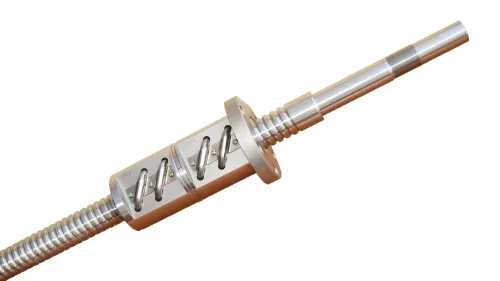
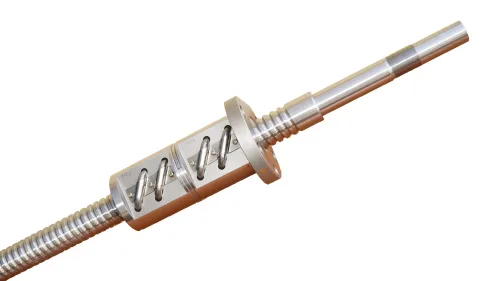
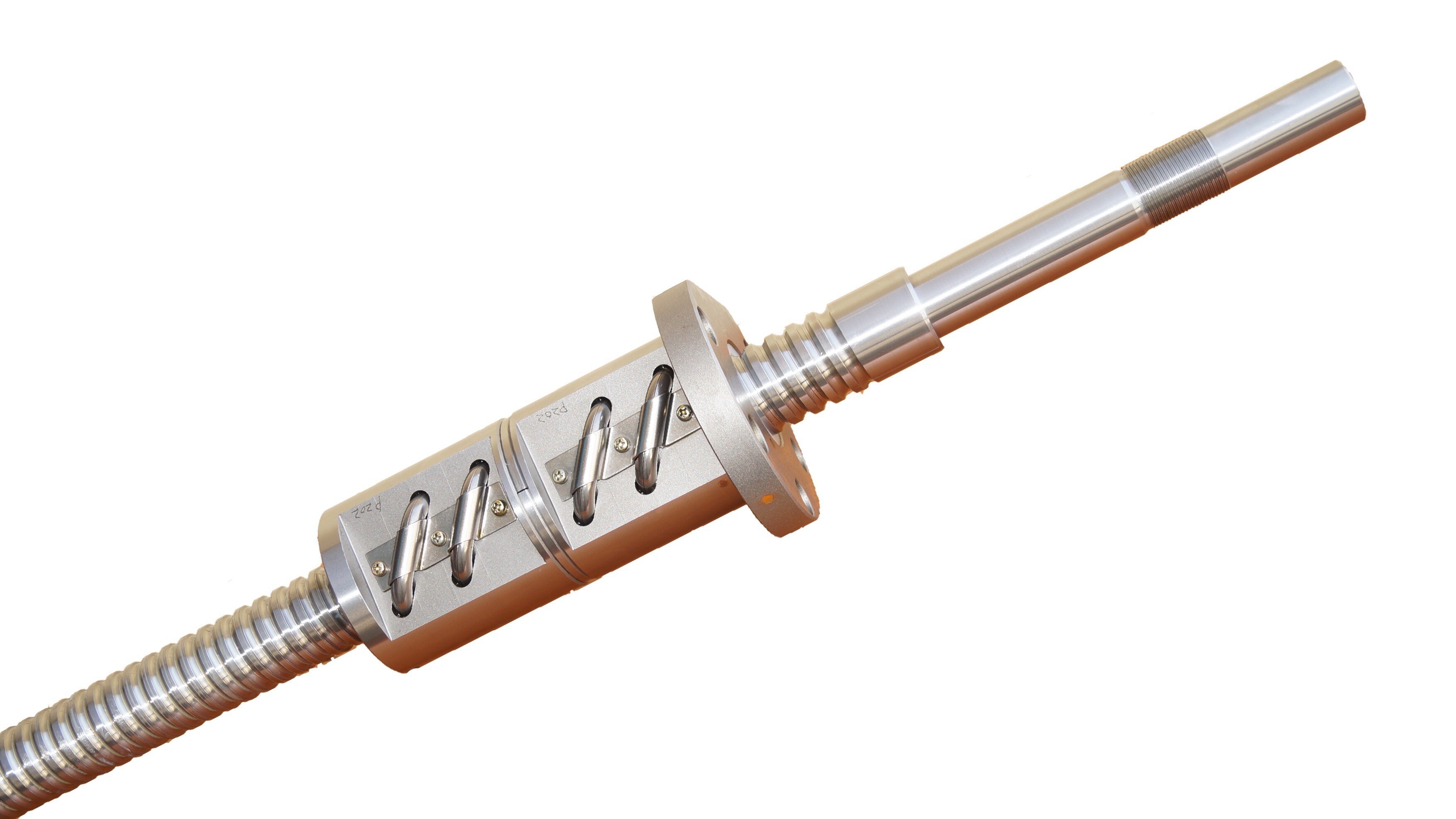
Then compare those findings with the original drawing, not just a nominal marking such as 25 mm × 10 mm. Confirm the return-system layout: internal end cap, external tube, or deflector. A different circulation path can require different balls, clearances, and nut-body space even when diameter and lead match.
Ask a hiwin compatible ball screw supplier for a replacement drawing or certified dimensional table before ordering. Require material and heat-treatment details, ISO 3408 accuracy classification, preload specification, lead-accuracy inspection results, and traceable part identification.
Compare the stated C0, C1, C3, C5, C7, or C10 class on the same measurement basis; the class alone does not prove preload, rigidity, load capacity, or service life.
Compare genuine, compatible, rolled, ground, and lead-screw options
A useful industrial ballscrew comparison starts with machine duty, not brand. Genuine HIWIN is the safest dimensional and performance match, while a documented compatible assembly can reduce cost and delivery time. Choose rolled for moderate positioning demands and ground for tighter lead accuracy, repeatability, and preload consistency.
A lead screw is different: it has no recirculating balls.
| Option | Accuracy and repeatability | Cost and delivery | Machine suitability |
|---|---|---|---|
| Genuine HIWIN | Original geometry and documented grade | Highest price; availability depends on stock | Exact rebuilds and warranty-sensitive machines |
| Compatible aftermarket | Can match dimensions and performance; verify data | Often lower cost; local stock can shorten delivery | Suitable when drawings and inspection data agree |
| Rolled ball screw | Lower lead accuracy and preload consistency than ground | Lower cost; shorter procurement | Moderate-duty CNC or worn-machine rebuilds |
| Ground ball screw | Tighter lead variation and more consistent preload | Higher cost; longer manufacture | Precision contouring and demanding positioning |
| Lead screw | Sliding contact, lower efficiency, and backlash concerns | Low initial cost; simple sourcing | Low-speed, low-duty axes, not a direct substitute |
For cnc ballscrew replacement options, do not approve “compatible” from diameter alone. Match the nut model, flange, return-system style, lead, shaft ends, preload, and accuracy grade; compare ISO 3408 classes C0 to C10 using the same lead-accuracy basis. A rolled C7 assembly is not an automatic substitute for a ground C5 assembly.
Buy a matched screw-and-nut assembly when the raceway has pitting, brinelling, fretting, or measurable lead error. Use a screw-only replacement only after the existing nut passes preload and backlash checks. Request a drawing, inspection results, material and heat-treatment details, traceable identification, and a critical-speed calculation for the actual support arrangement.
Match performance specifications to the CNC axis
Load capacity, speed, and positioning accuracy come from different specifications, so a nominal diameter and lead cannot validate a replacement. Check the dynamic load rating against axial cutting and acceleration loads, then check the static load rating against shock and holding forces. Confirm preload and nut rigidity; excessive preload raises friction and motor torque.
An industrial ballscrew comparison should separate manufacturing accuracy from physical fit:
| Option | Key performance difference | Suitable use |
|---|---|---|
| Rolled C7 | Lower cost, shorter procurement, higher lead variation | General axes, rebuilds, and moderate accuracy |
| Ground C5 | Tighter lead variation and more consistent preload | High-accuracy contouring and demanding positioning |
| Lead screw | No recirculating balls; higher friction and wear | Low-duty motion where CNC accuracy and efficiency are not critical |
Lead changes the motor calculation. A smaller lead produces more theoretical linear force at the same torque but reduces axis speed; a larger lead requires higher screw rpm at the same feed rate. Recheck servo torque, rated rpm, acceleration, and controller scaling.
Also request a critical-speed and buckling calculation using the actual unsupported length, root diameter, end supports, and bearing arrangement. A screw that fits can still resonate or exceed its safe rpm. For accuracy, compare grade, lead deviation, preload, repeatability, and backlash—not just diameter.
Require a drawing, inspection results, material and heat-treatment details, and traceable part identification before accepting a “compatible” claim.
Decide what to replace and what to demand from a Chennai supplier
Replace the screw and nut as a matched assembly when the raceway shows pitting, brinelling, fretting, measurable lead error, or backlash; a new nut cannot repair damaged screw geometry. Choose a screw-only replacement only after preload, torque, backlash, and lead accuracy tests confirm that the existing nut remains serviceable.
- Bearings: replace them when roughness, heat, noise, or measurable radial or axial play appears. Confirm the bearing arrangement and preload.
- Supports: replace fixed or floating supports when seats, seals, or bearings are worn, misaligned, or damaged during removal.
- Coupling: replace it for cracked elastomer, backlash, fretting, or a bore and keyway that do not match the new shaft end.
- Lubrication system: renew blocked lines, metering units, pumps, or the wrong grease or oil; poor delivery quickly destroys a new assembly.
- Wipers: replace hardened, torn, missing, or contaminated wipers before chips enter the nut.
Ask a Hiwin-compatible ball screw supplier for a drawing, dimensional table, preload and accuracy grade, inspection results, material and heat-treatment details, and traceable identification. Include photographs, machine model, stroke, lead, diameter, nut mounting, shaft-end and coupling details, lubrication type, and failure symptoms.
Balaji Engineering Works can use that information to screen cnc ballscrew replacement options beyond diameter and lead alone, including return-system clearance and critical-speed calculations.
Related products
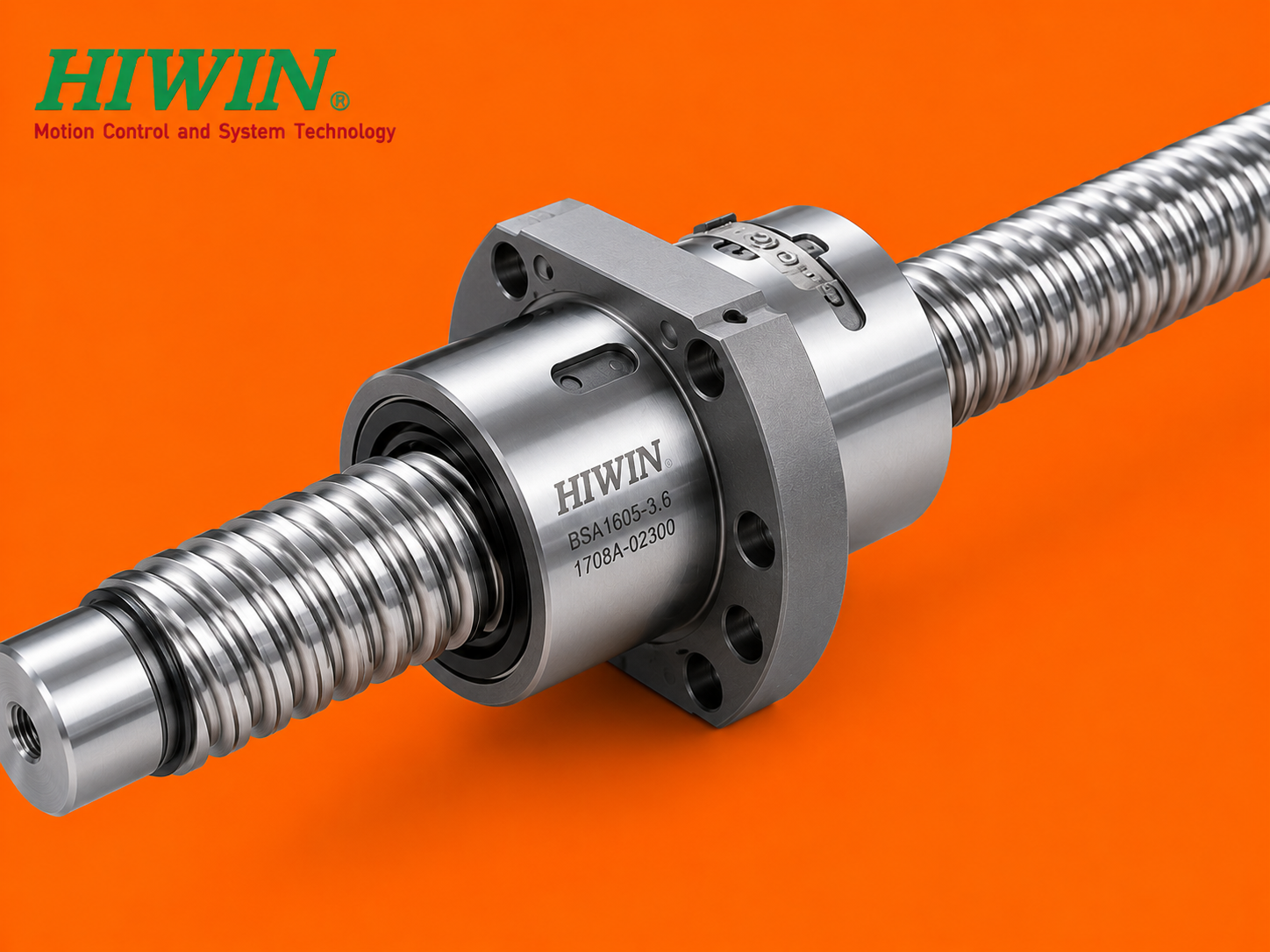 | Precision Ballscrews Balaji Engineering Works offers high-quality HIWIN Ball Screws in Pune, known for their exceptional precision, smooth operation, and long service... View product → |
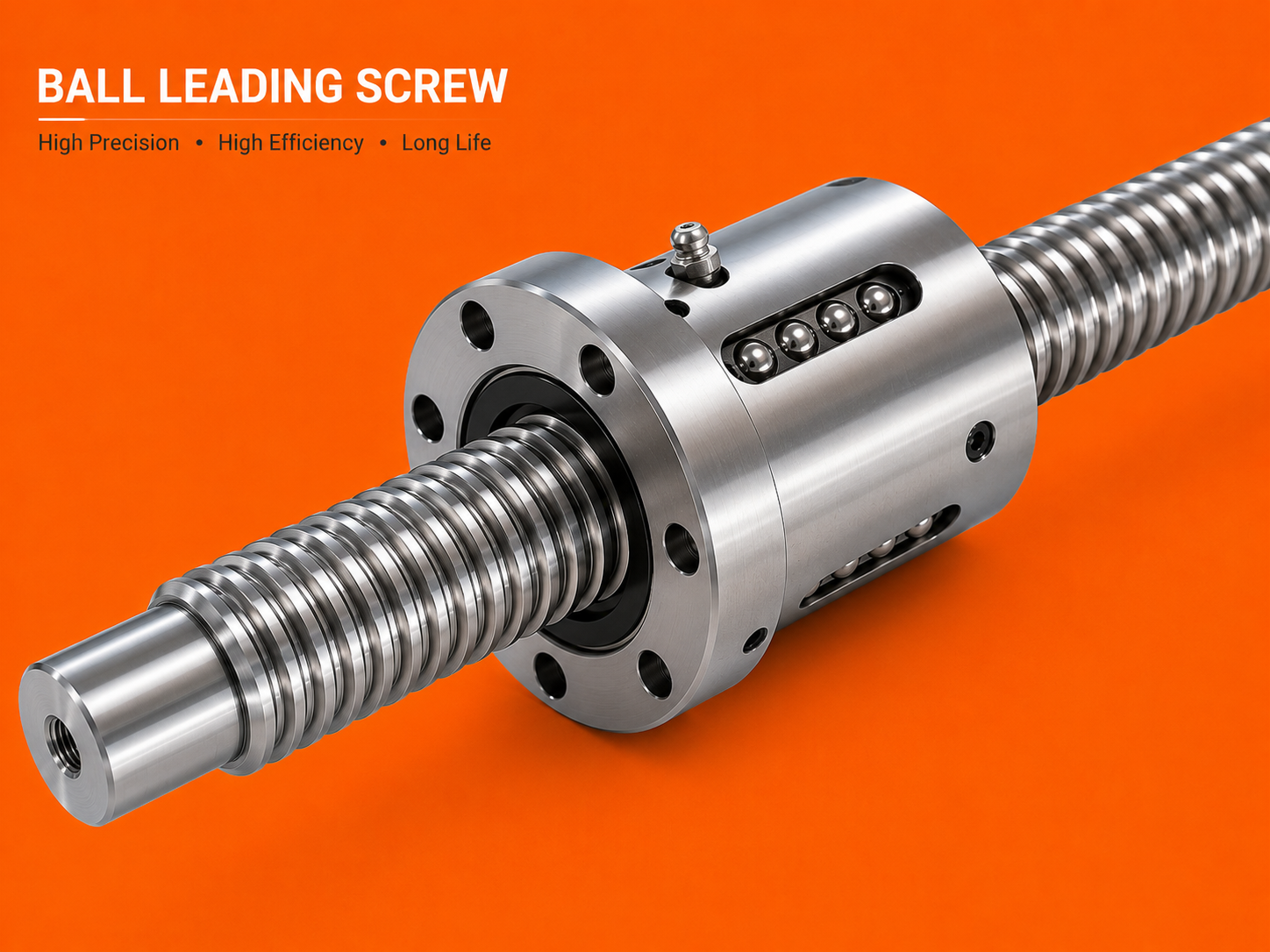 | Precision Ballscrews Balaji Engineering Works offers high-quality Ball Lead Screws in Pune, designed for precise and efficient conversion of rotary motion into linear... View product → |
Frequently asked questions
What must you identify before ordering a HIWIN ball screw replacement?
Record the screw diameter and lead, nut outside dimensions, nut length, flange or non-flange form, mounting-hole pattern, return-system envelope, wipers, screw orientation, and shaft-end geometry.
Why are diameter and lead insufficient for a HIWIN replacement?
Two assemblies can share a 25 mm diameter and 10 mm lead while using different nut dimensions, return systems, mounting holes, wipers, or shaft ends, making them mechanically incompatible.
How do genuine, compatible, rolled, ground, and lead-screw options differ?
Genuine replacements preserve the original specification. Compatible assemblies must match the mechanical interface and performance needs. Rolled screws suit cost-sensitive general motion, ground screws suit higher accuracy, and lead screws suit applications that do not require ball-screw efficiency or precision.
What information should you send a Chennai ball screw supplier?
Provide the original part number, drawing, photographs, nut and shaft measurements, return-system layout, axis travel, load, speed, accuracy, preload, lubrication method, and shaft-end or mounting requirements.
Related products
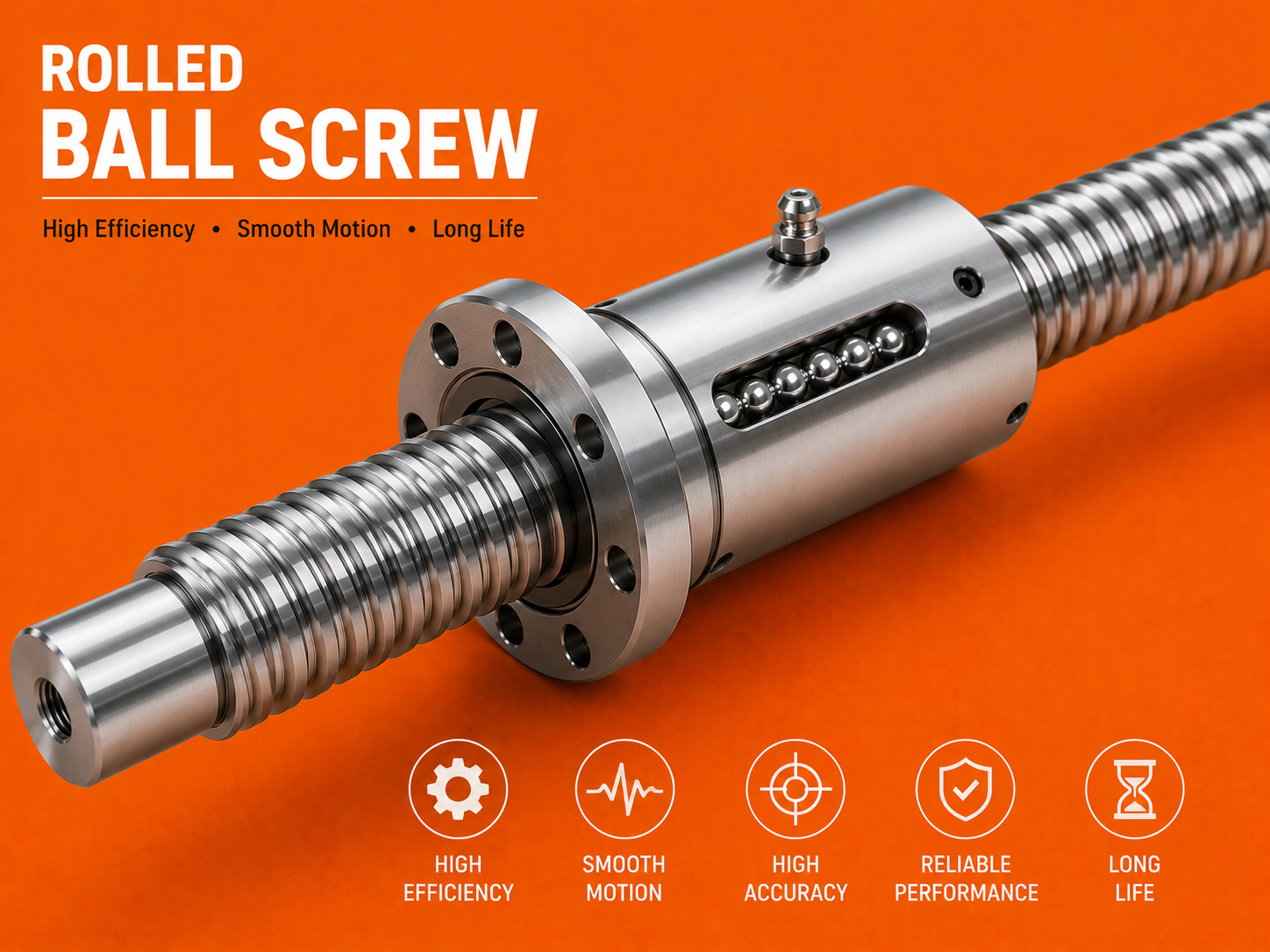 | Precision Ballscrews Balaji Engineering Works offers high-quality Rolled Ball Screws in Pune, designed for efficient linear motion with excellent performance and... View product → |
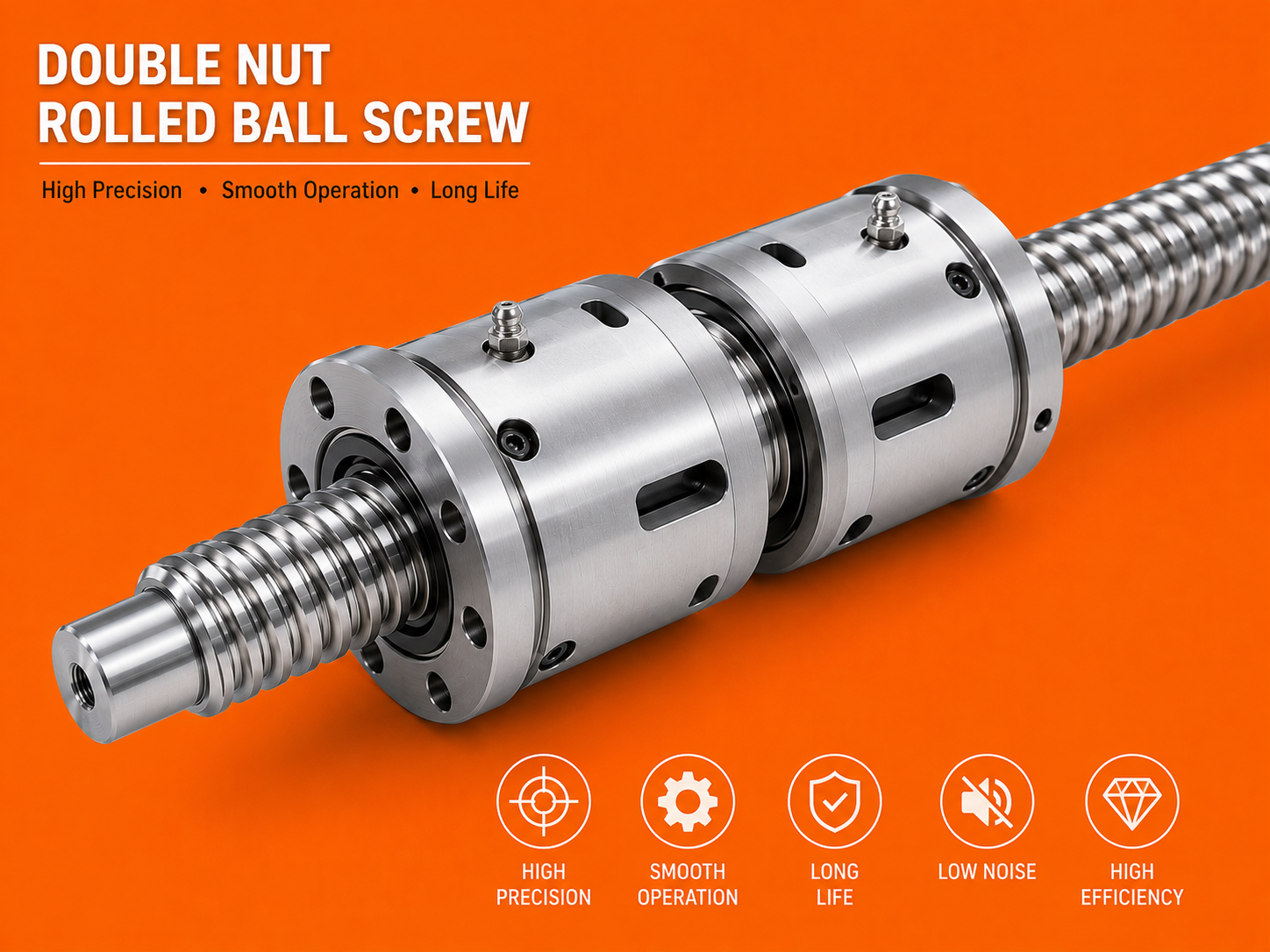 | Precision Ballscrews Balaji Engineering Works offers high-performance Double Nut Rolled Ball Screws in Pune, designed for applications requiring reduced backlash,... View product → |
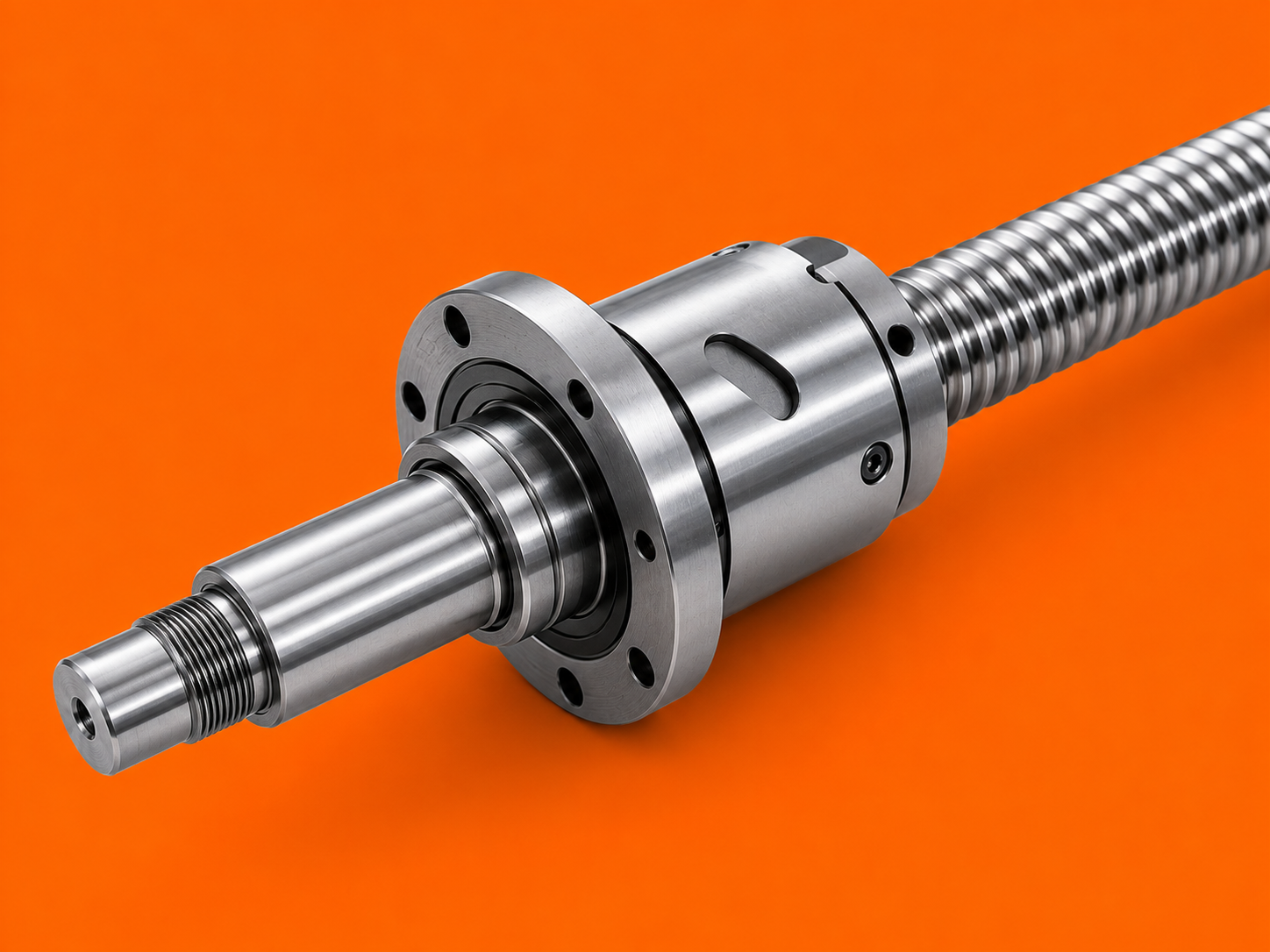 | Precision Ballscrews Balaji Engineering Works offers premium quality High Precision Ball Screws in Pune, designed for applications that demand exceptional accuracy,... View product → |
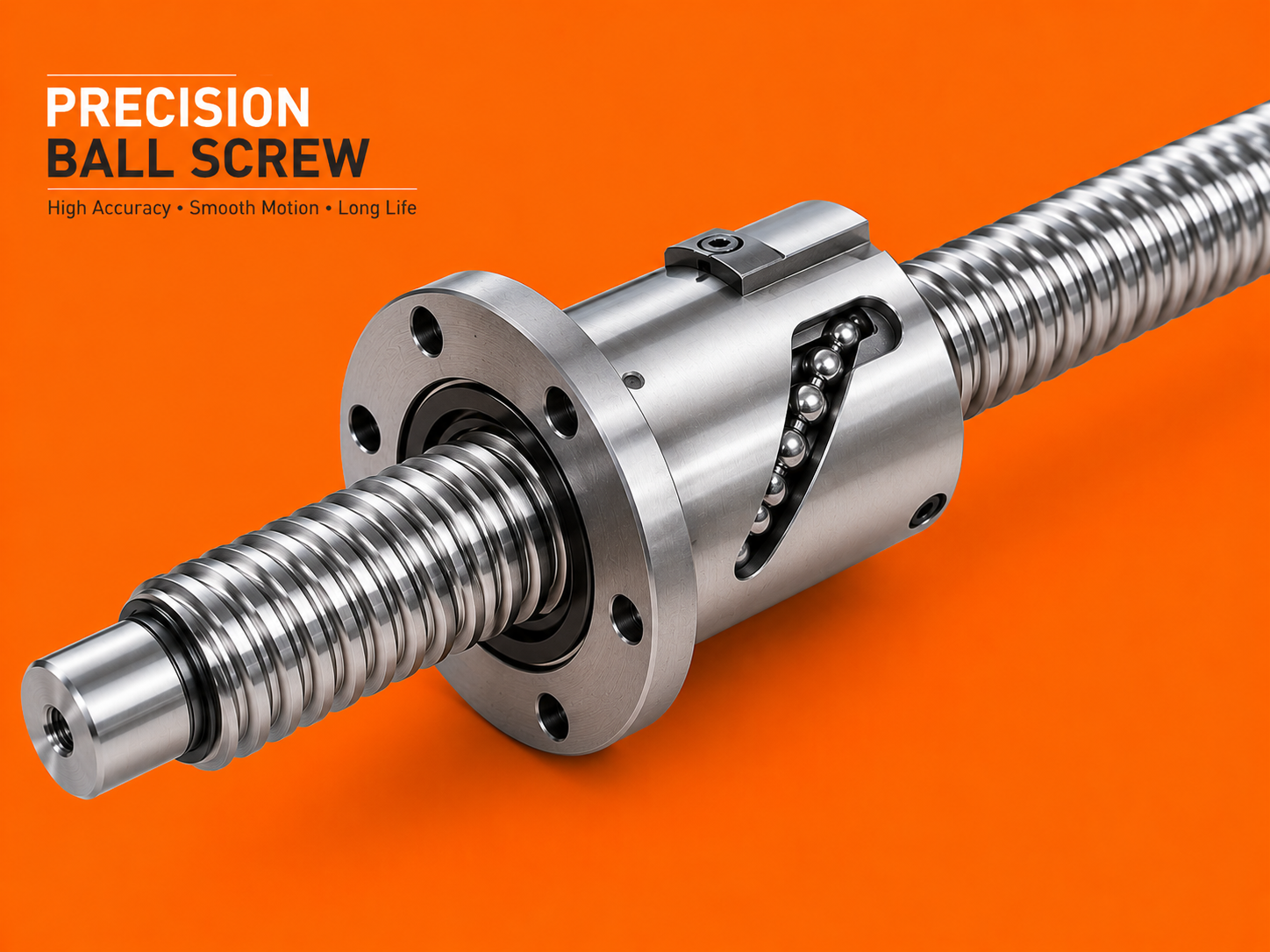 | Precision Ballscrews Balaji Engineering Works is a trusted manufacturer and supplier of Precision Ball Screws in Pune, designed for high-accuracy linear motion and... View product → |