
CNC travel errors rarely identify their own cause: reversal backlash can come from the ballscrew, bearing stack, coupling, guideway, encoder or servo settings. You will be able to isolate the fault, measure the axis against defensible acceptance criteria, specify a compatible replacement and choose the right nut, screw type and supplier checks.
Key takeaways
- Check bearing axial play, loose fasteners, coupling torsion and guideway looseness first.
- Measure backlash at multiple positions and under load before condemning the ballscrew.
- Record diameter, lead, length, nut style, preload and mounting details before removal.
- Verify positioning accuracy, repeatability and backlash after installing the replacement axis screw.
Separate Ballscrew Wear from the Other Causes of CNC Travel Error
Reversal backlash that repeats at several positions and grows under load points to mechanical looseness, not automatically a worn ballscrew. A single nut ball screw troubleshooting cnc check must separate nut wear from bearing axial play, loose nut fasteners, coupling torsion, guideway looseness, lubrication failure and contamination.
Do not change servo gain or add backlash compensation; lost stiffness remains.
- Disable the servo, or use controlled low force, and record following error, motor current and encoder feedback.
- Reverse the axis at several screw positions; measure reversal error with a dial indicator. Position-dependent error implicates the screw or raceways.
- Check support-bearing axial play, bearing clamping and nut-to-carriage fasteners.
- Mark the coupling and shafts, then check slip, torsional wind-up and nut mounting.
- Inspect guideway drag, lubrication quantity, seal condition, chips, dents, raceway marks and balls.
| Symptom | More likely source | Distinguishing test |
|---|---|---|
| Reversal backlash | Screw, bearing or loose mounting | Repeat reversals at multiple positions; compare dial-indicator readings |
| Following-error alarm | Servo tuning, overload or encoder | Review drive diagnostics, encoder counts and motor current |
| Lost position after acceleration | Coupling slip or servo fault | Mark coupling hubs; compare commanded and feedback position |
| Uneven travel or localized drag | Guideway contamination or damage | Jog slowly while logging current; inspect guideway and wipers |
| Noise, heat and rising load | Lubrication failure or contamination | Log temperature; verify lubricant grade, quantity and seal condition |
| Pitch or straightness error | Screw geometry | Use laser interferometry or calibrated linear measurement |
Linear measurement quantifies the error but cannot identify its source alone; combine it with the mechanical tests above.
Run a Measured Single-Nut Troubleshooting Sequence
Use this single nut ball screw troubleshooting cnc sequence with backlash compensation disabled and servo gains unchanged. Record raw axis position, motor current, temperature, and alarm data before changing anything.
1. Isolate servo following error with the axis stationary, then during low-speed moves. A following-error alarm or current spike points toward tuning, encoder feedback, friction, or binding rather than proving screw wear.
2. Disable the servo or use controlled low-force motion. Reverse direction at several positions and measure lost motion with a dial indicator or calibrated linear scale. Repeat the test near both ends and the centre of travel.
3. Compare the results. Position-dependent error suggests pitch, raceway, or alignment trouble; constant error directs you to the bearing stack, coupling, nut mounting, guideways, or machine datum.
4. Check support-bearing axial play and confirm the bearing is clamped against its shoulder. Inspect coupling screws, keyways, clamp hubs, and nut-to-carriage fasteners for slip or looseness.
5. Verify the specified lubricant reaches the nut and that seals are intact. Contamination, dry raceways, rising motor load, noise, and heat can create single nut precision ground ball screw problems without measurable backlash.
6. Inspect screw runout, raceway marks, ball damage, and uneven wear. Do not force the nut to correct guideway parallelism; misalignment raises torque and destroys preload.
7. Re-run the raw reversal test after each mechanical correction. Apply software compensation only after the mechanical fault is removed and the measured error is documented; compensation cannot restore stiffness during cutting-force reversals.
Specify the Replacement Before You Remove the Existing Screw
A physical fit does not make a correct replacement. Before removing the existing screw, record the axis travel relationship, mounting geometry, accuracy data, and inspection results; changing a 10 mm lead to 5 mm alters speed, force, encoder scaling, and servo tuning.
1. Record the nominal screw diameter, lead, handedness, effective threaded length, required axis travel, nut body dimensions, mounting-hole pattern, datum position, seal arrangement, and lubrication method. Photograph the assembly before disassembly.
2. Measure both shaft ends: journal diameters and lengths, bearing-seat shoulders, keyways, threads, circlip grooves, coupling fit, and the distance between bearing supports. Specify the bearing arrangement, because fixed-fixed and fixed-free supports impose different thermal and axial conditions.
3. Identify the nut type, preload class, accuracy class, ball return style, and starting torque. Two screws with the same diameter and lead remain incompatible when their nut datum, preload, or end-journal geometry differs.
4. Measure axial play, reversal error, shaft runout, and straightness with a calibrated dial indicator while rotating the screw and recording readings at several angular positions. Use a torque reading for starting friction and inspect raceways, balls, seals, and lubrication for brinelling, scoring, or contamination.
5. Request a traceable report showing lead accuracy, cumulative pitch error, runout or straightness, nut and shaft-end dimensions, preload, and starting torque. Verify positioning error and repeatability with laser interferometry or a calibrated linear system at operating temperature after installation; the component report cannot prove the final CNC axis accuracy.
This record defines a defensible ball screw replacement for CNC axis work rather than a visually similar substitute.
Choose Preload, Nut Arrangement and Screw Manufacturing Method
Choose a single nut for a compact, moderate-duty axis; choose a double nut when reversal stiffness and thermal stability matter more than package length, mass, and cost. A single nut can carry preload through oversized-ball selection or internal geometry, but a double nut makes preload adjustment and rigidity control more straightforward.
| Option | Main trade-off | Choose it when |
|---|---|---|
| Single nut | Shorter, lighter, lower cost; less adjustable preload | The axis has moderate cutting load, limited space, and acceptable reversal error |
| Double nut | Higher rigidity and adjustable preload; greater length, friction, and cost | Reversal error, contour accuracy, or heavy cutting loads justify added stiffness |
| Precision-ground screw | Low lead variation and controlled geometry; higher purchase cost | You need tight positioning, low interpolation error, repeatable motion, or high accuracy over the full stroke |
| Rolled screw | Lower cost and faster availability; less precise lead control | The axis tolerates greater lead error, such as material handling or non-critical positioning |
A precision-ground ballscrew justifies its cost when correcting pitch error in software would consume the accuracy budget, or when the CNC performs tight-pitch interpolation across a long travel. Do not buy it to mask poor installation: misalignment still creates cyclic torque, heat, uneven raceway loading, and lost preload.
For single nut precision ground ball screw problems, confirm the source before increasing preload. Loose nut fasteners, bearing axial play, coupling torsion, guideway drag, and a shifted datum can all imitate screw backlash. Higher preload also raises friction and heat, shortening life when alignment or lubrication is poor.
Evaluate the Supplier and Prove the Axis After Installation
Request a traceable inspection report, not a catalogue tolerance, from a precision ground ball screw supplier in Hyderabad. The report must identify the screw and nut by serial or batch number and show measured results for:
- Lead accuracy, pitch error, runout or straightness, as applicable
- Nut preload or starting torque
- Nut bore, shaft diameter, and end-journal dimensions
- End-journal geometry, datum positions, and inspection equipment
- Wiper configuration, sealing, supplied lubricant, and chip-protection requirements
Give the supplier the nominal diameter, lead, effective length, required travel, nut type, preload class, accuracy class, bearing arrangement, lubrication method, and complete end-journal drawing.
A ball screw replacement for CNC axis work is not interchangeable because its outside diameter matches: changing a 10 mm lead to 5 mm changes speed, force, encoder scaling, and servo tuning. Balaji Engineering Works should receive those control and mechanical details before quoting a replacement.
After installation, verify the axis at operating temperature, not immediately after a cold start. Check mounting alignment, bearing axial play, coupling slip, guideway drag, and screw runout, then run a calibrated linear measurement or laser-interferometer test at several positions in both directions.
Record bidirectional positioning error, repeatability, reversal error, straightness, temperature, and motor load. Compare reversal results across the travel: position-dependent error points toward screw pitch or geometry, while a constant reversal offset points toward backlash in the bearings, coupling, carriage, or nut. Do not accept the assembly from the component report alone.
Related products
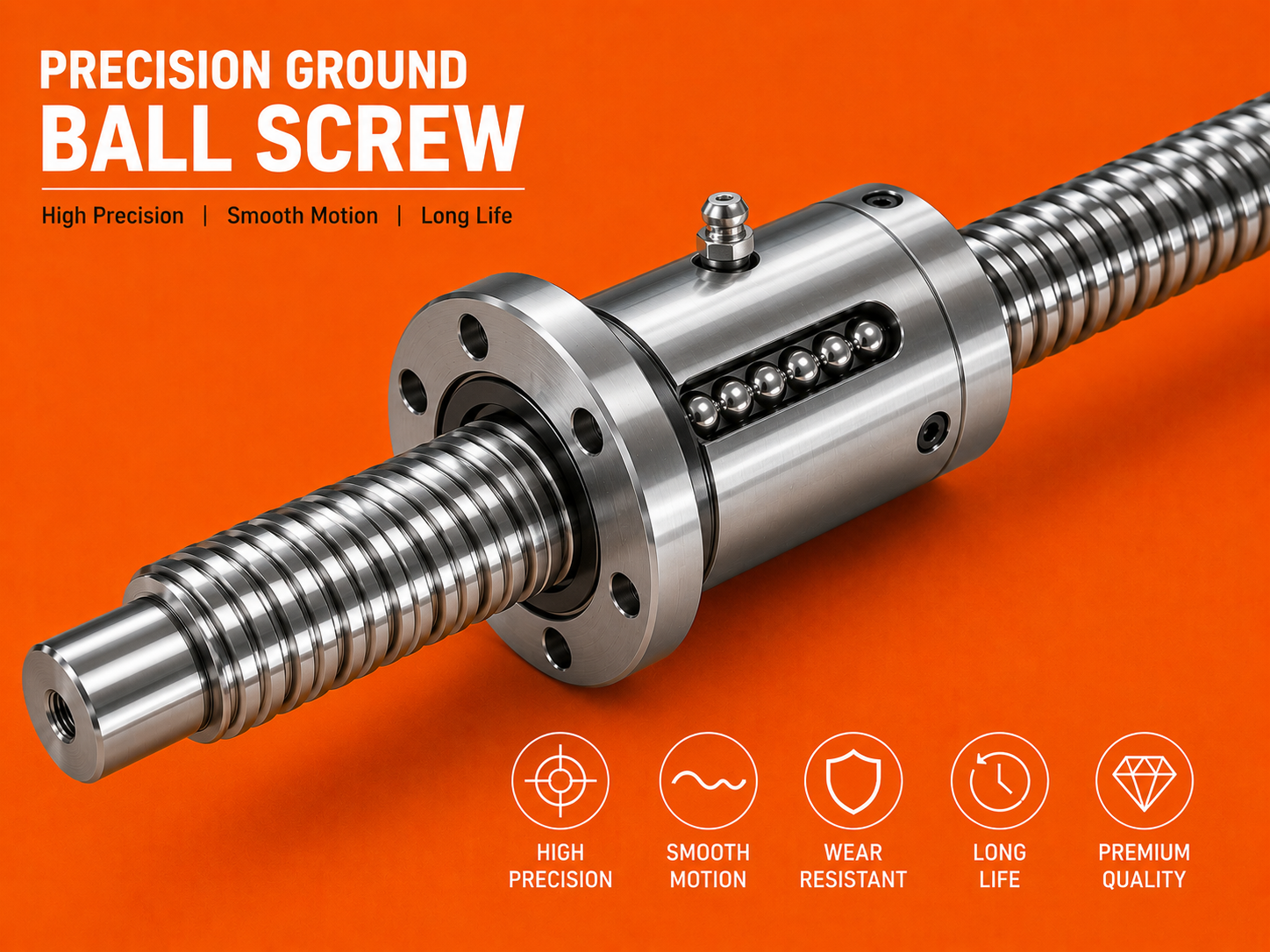 | Precision Ballscrews Balaji Engineering Works is a trusted manufacturer and supplier of Precision Ground Ball Screws in Pune, designed for applications that demand... View product → |
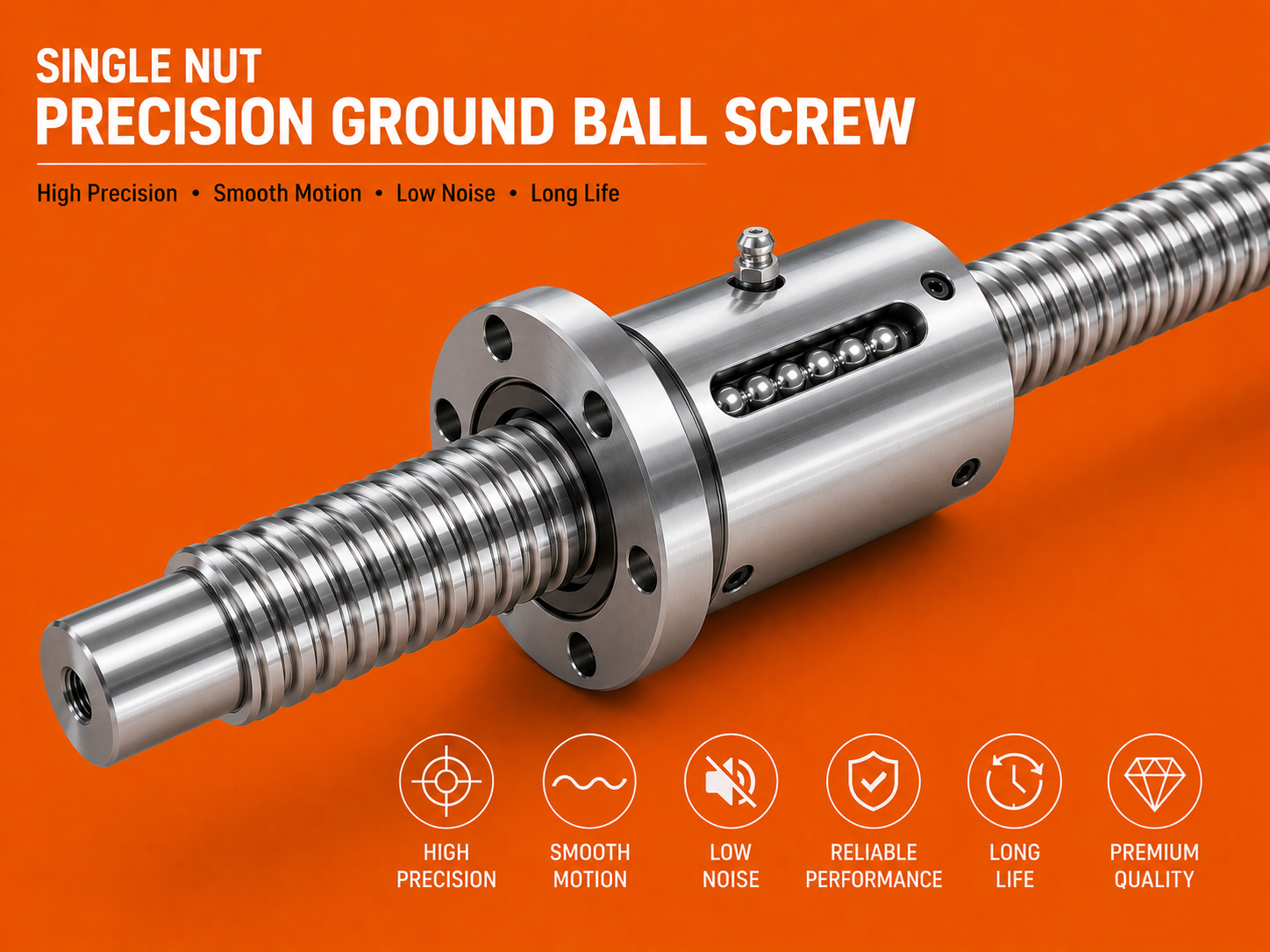 | Precision Ballscrews Single Nut Precision Ground Ball Screw Balaji Engineering Works offers high-precision Single Nut Precision Ground Ball Screws in Pune, engineered for applications requiring superior... View product → |
Frequently asked questions
How do you separate ballscrew wear from other CNC travel errors?
Measure reversal backlash at several positions and under load, then inspect bearing axial play, nut fasteners, coupling torsion, guideway looseness, lubrication and contamination.
What does a single-nut ballscrew troubleshooting sequence include?
Use measured backlash and repeatability checks, inspect the nut and screw, isolate bearing and coupling movement, and compare results across the axis travel.
What should you specify before ordering a ballscrew replacement for a CNC axis?
Record screw diameter, lead, usable travel, overall length, nut arrangement, preload, mounting details, end machining, accuracy grade and lubrication requirements.
How do you prove a replacement ballscrew works after installation?
Check alignment, torque and lubrication, then measure backlash, positioning accuracy and repeatability at multiple positions and operating loads.
Related products
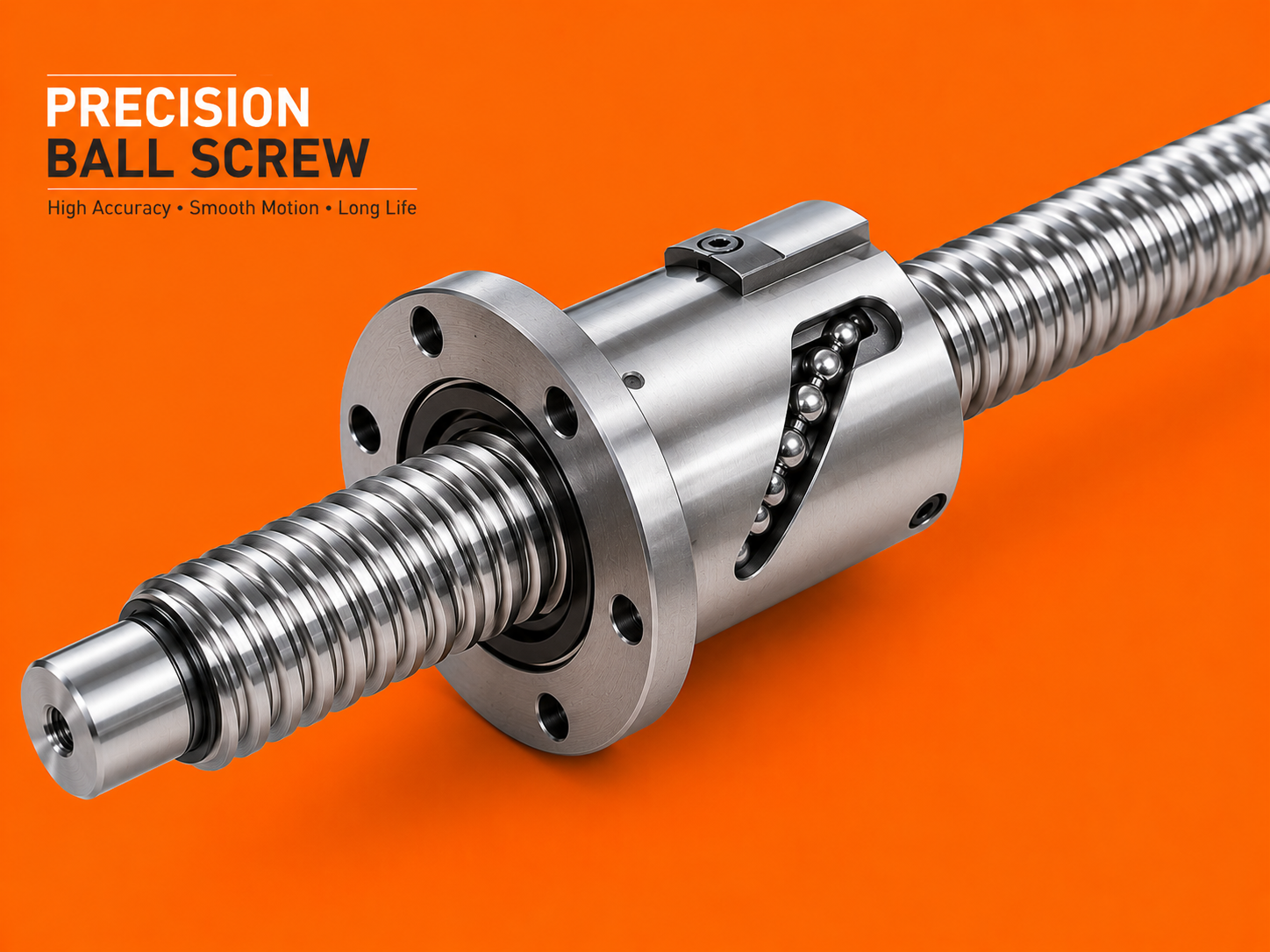 | Precision Ballscrews Balaji Engineering Works is a trusted manufacturer and supplier of Precision Ball Screws in Pune, designed for high-accuracy linear motion and... View product → |
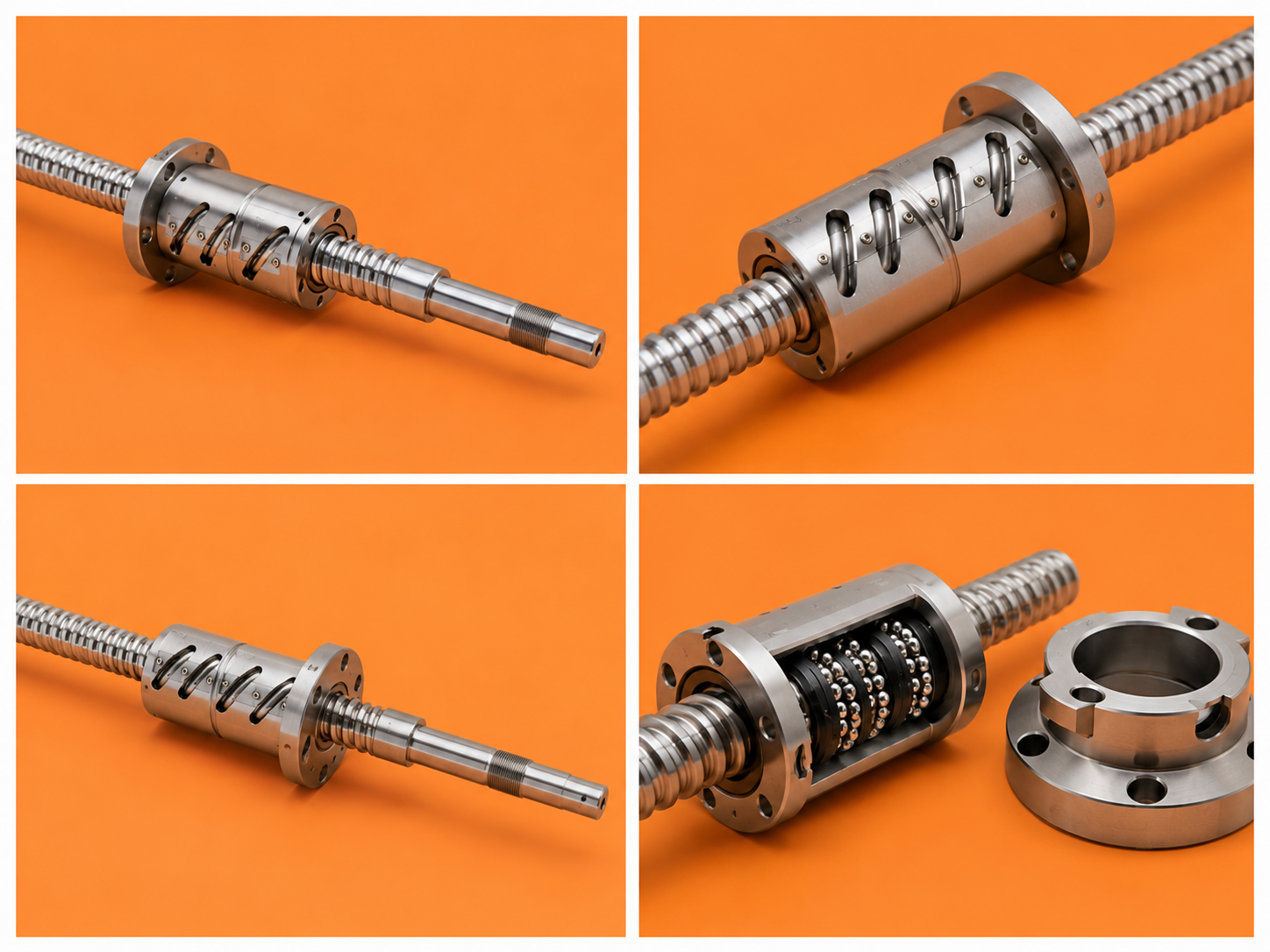 | PRECISION GROUND BALL SCREW We are Manufacturing of precision Ground ball screw with nut As per Customer View product → |
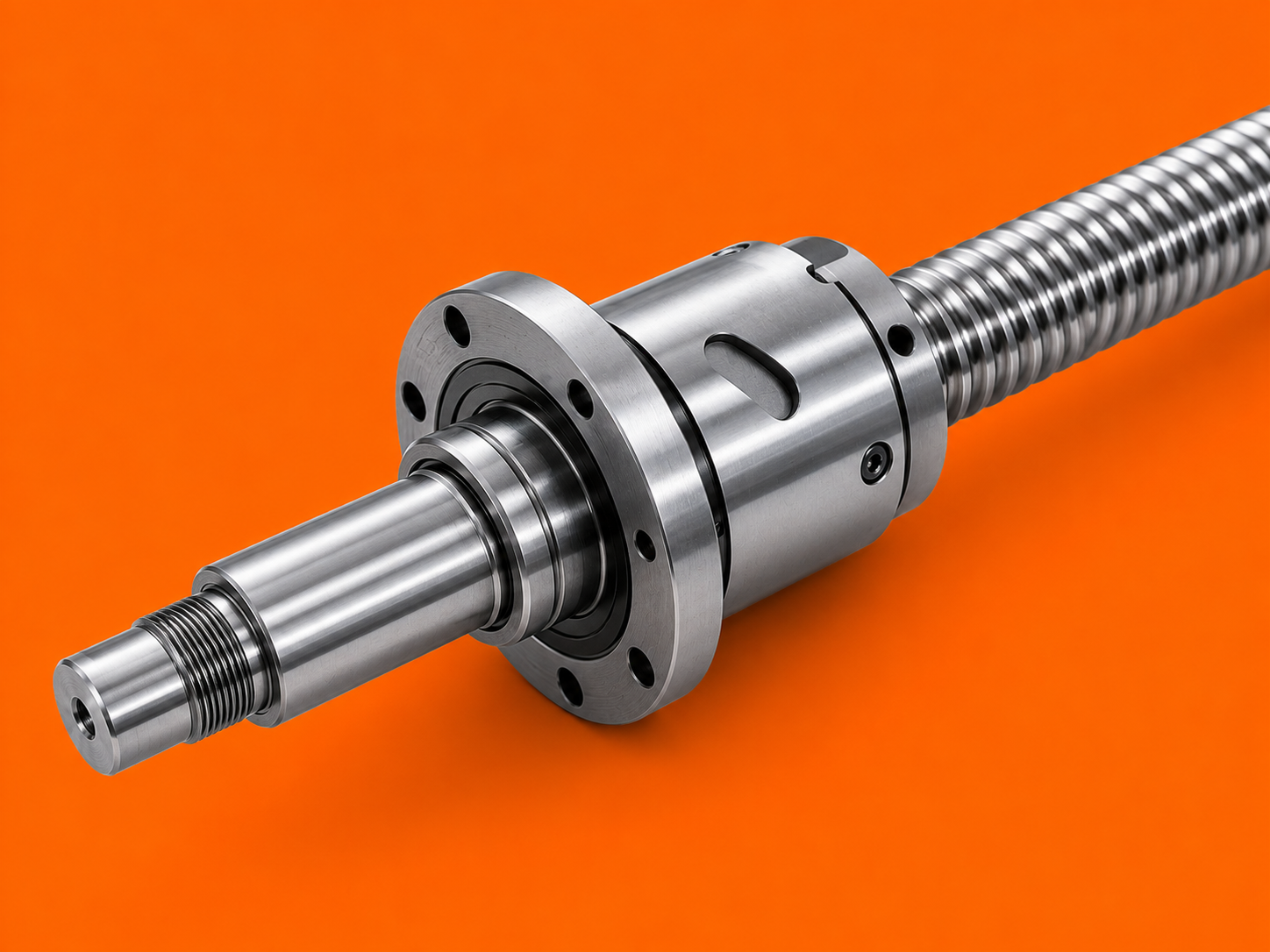 | Precision Ballscrews Balaji Engineering Works offers premium quality High Precision Ball Screws in Pune, designed for applications that demand exceptional accuracy,... View product → |
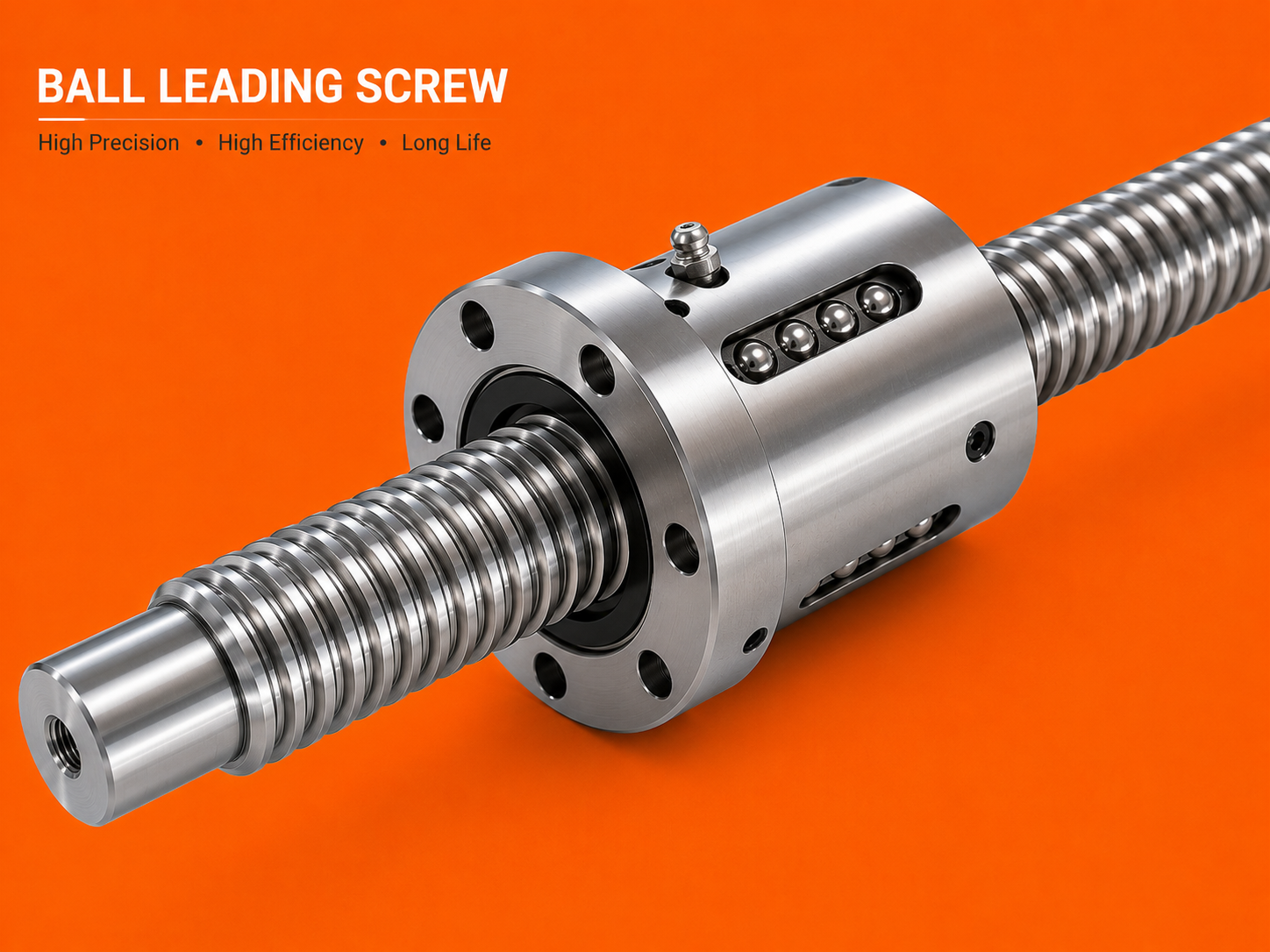 | Precision Ballscrews Balaji Engineering Works offers high-quality Ball Lead Screws in Pune, designed for precise and efficient conversion of rotary motion into linear... View product → |