
The premium is worthwhile only when the quoted screw matches the machine’s accuracy, load, speed, mounting, and service requirements. You will be able to compare a HIWIN assembly with ground and rolled alternatives, check replacement compatibility, calculate the real operating demand, and judge whether a supplier has proved equivalence rather than simply matched the diameter.
Key takeaways
- Specify allowable positioning error across the complete axis stroke.
- Choose ground or rolled screws from measured lead accuracy, not nameplate reputation.
- Confirm diameter, lead, nut geometry, mounting, and preload before ordering a replacement.
- Request inspection data for lead error, runout, preload, material, and heat treatment.
Start with lead accuracy, not the HIWIN nameplate
If you cannot state the axis’s allowable positioning error over its full stroke, a HIWIN nameplate does not justify its price. Start with the machine’s measured requirement, not the brand. A preloaded nut can appear tight and still miss position because the screw’s lead error or temperature movement is wrong.
A precision ballscrew manufacturer should provide:
- ISO 3408 accuracy class and measured lead-error data over useful travel, showing whether error is smooth, periodic, local, or controller-compensated.
- Preload, axial rigidity, nut runout, shaft-end runout, and screw straightness values.
- Dynamic and static load ratings, allowable speed, expected service life, noise data, and sealing arrangement.
- Test results for positioning error, repeatability, torque or current signature, temperature rise, and end-to-end runout.
- A dimensional drawing for diameter, lead, nut envelope, return-system position, end machining, and mounting arrangement.
Approve the premium only when those figures match the machine’s measured requirement. In a HIWIN ball screw comparison, an ISO 3408 C5 assembly is not automatically replaceable by C7 because the nameplate says “ball screw”; a lower class can leave the machine to correct errors it was never tuned to handle.
If the requirement is unclear, test the existing axis before paying for tighter accuracy. Fit alone proves little.
Ground versus rolled: pay for measured performance
Pay for grinding when the machine must hold tight positioning accuracy over its usable stroke, not simply because “precision” sounds better. A precision-ground screw justifies its cost when measured lead error, cyclic error, reversal error, or repeatability limits affect machining, inspection, semiconductor, or high-accuracy automation work.
A rolled screw is the more sensible choice when the application tolerates its measured lead error and the main priorities are cost, availability, production speed, or long travel. It is not automatically inferior; the wrong choice is buying a higher accuracy grade while ignoring load rating, preload, or thermal behaviour.
| Comparison point | Precision-ground screw | Rolled screw |
|---|---|---|
| Lead performance | Tighter, more consistent lead accuracy; suitable for demanding positioning | Adequate when the machine’s error budget allows the measured deviation |
| Cost and supply | Higher manufacturing cost and inspection burden | Lower cost and efficient for standard, repeatable production |
| Best application | Interpolation, fine positioning, and compensation-limited machines | General automation, transport axes, and less demanding positioning |
| Buying test | Demand lead-error data across the full useful travel | Accept the screw only after comparing its data with the application limit |
Ask a precision ballscrew manufacturer for hiwin ball screw alternatives to quote actual lead-error data, not only an accuracy class. Also compare dynamic load rating and preload: since calculated L10 life varies approximately with (Ca/F)³, a lower-rated or heavily preloaded ground screw can outlast its price advantage poorly.
Pay for measured performance, not the manufacturing label.
Prove dimensional compatibility before ordering a replacement
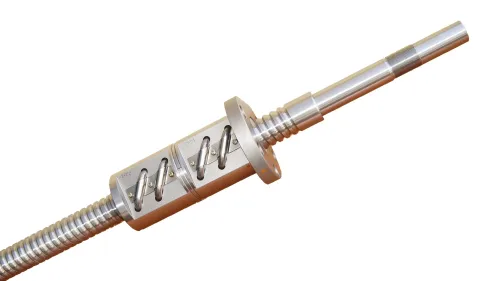
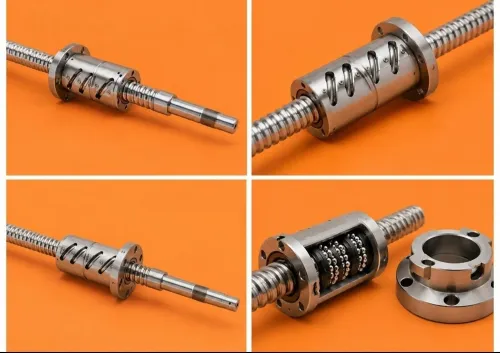
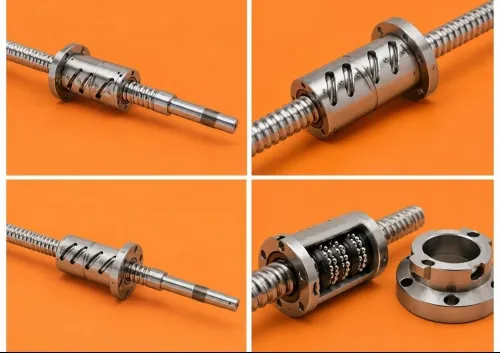
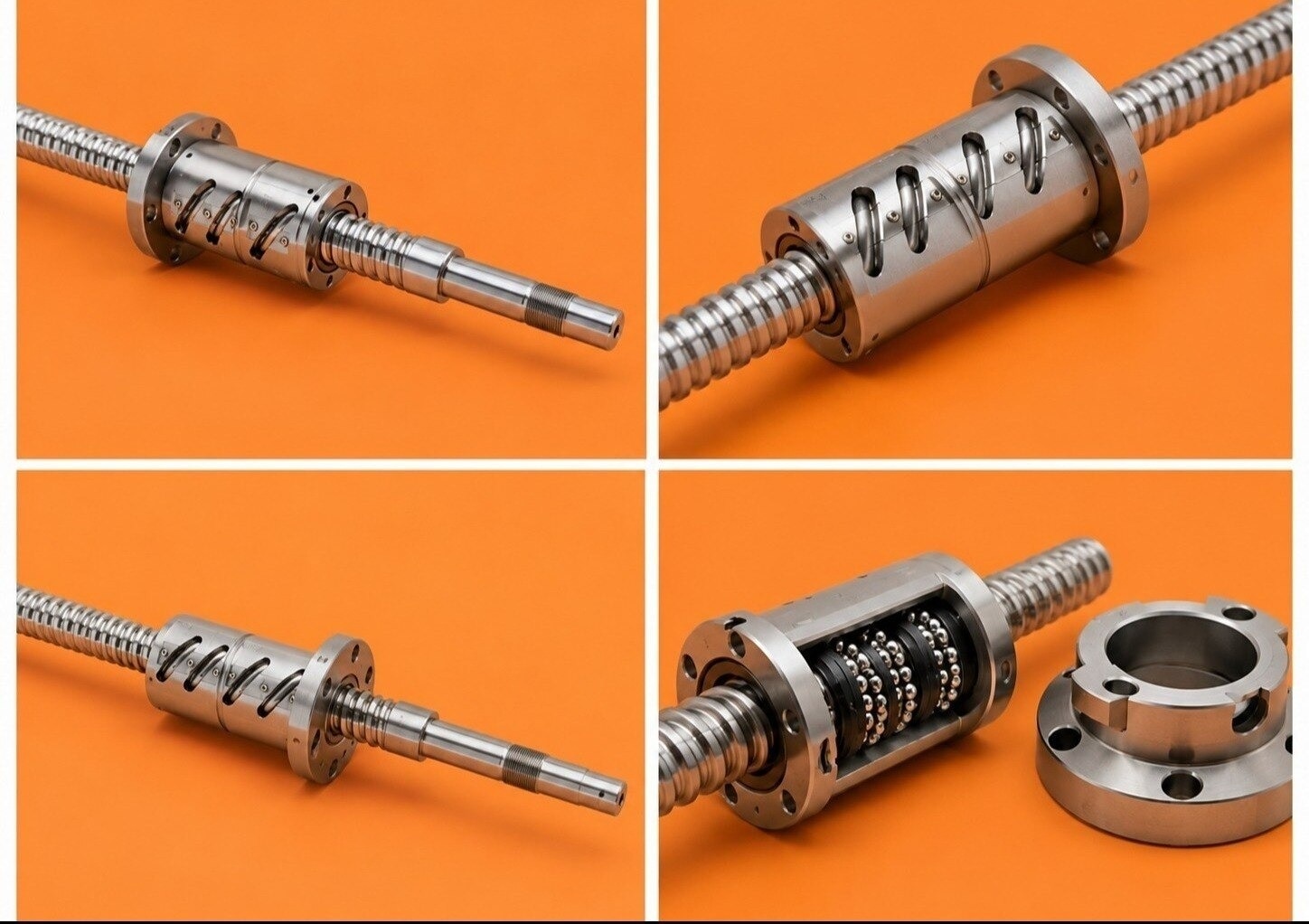
Measure the complete HIWIN assembly, not only the shaft diameter and lead. A precision ball screw replacement must fit the mounting envelope, reproduce the intended motion, and preserve preload; a nut that enters the bracket can still produce coupling interference, backlash, heat, or premature wear.
1. Record the screw’s nominal diameter, lead, handedness, overall length, and usable travel. Measure the nut’s outside diameter, body length, flange thickness, flange or key dimensions, and return-system envelope. Confirm that the recirculation tubes or deflectors occupy the same side and clearance.
2. Measure the mounting arrangement: hole count, hole diameter, bolt-circle or rectangular spacing, pilot diameter, register depth, and nut orientation. Photograph the installed assembly before removal; orientation errors can shift the return system into the machine structure.
3. Measure every shaft end with a micrometer: bearing-seat diameters and lengths, shoulder locations, thread size and pitch, keyway width and position, circlip grooves, coupling seat, and total end-to-end length. Check shaft-end runout and screw straightness with a dial indicator, because a matching drawing dimension does not correct a bent or eccentric installation.
4. Specify the existing preload class or measured starting torque, then compare it with the replacement. Higher preload reduces reversal play but increases friction, motor current, alignment sensitivity, and temperature.
5. Verify the replacement against measured axial error over the full stroke, reversal error, repeatability, noise, and temperature rise. Ask for lead-error data, nut runout, dynamic and static load ratings, and allowable speed; diameter and lead alone do not prove service-life compatibility.
Match the screw to load, speed, life, and heat
A replacement works only if its ratings survive the machine’s actual motion profile, not hand rotation at room temperature.
- Axial load: Separate thrust from radial or moment load. A screw sized for compression can fail early under reversing tension or side loading.
- Duty cycle: Calculate equivalent load across acceleration, cutting, return, dwell, and reversal. A high-load axis running 20% of the time needs a different life calculation from one running continuously.
- Critical speed: Keep operating speed below the screw’s permissible speed and critical-speed limit for its unsupported length. Whirling creates noise, vibration, and rapid nut damage.
- Drive torque: Include acceleration torque, friction, preload torque, and cutting load. An alternative with a tighter preload can exceed the motor’s available torque.
- Thermal growth: Speed, preload, lubrication, and transmitted load heat the screw. Check cooling, lubrication, duty cycle, and controller compensation; a long axis can lose positioning accuracy as it expands.
For equivalent axial load F and dynamic load rating Ca, nominal L10 life is approximately (Ca/F)^3 million revolutions. A small load increase therefore cuts calculated life sharply. Higher lead accuracy does not compensate for a lower load rating or reduced preload.
In a hiwin ball screw comparison, request measured data for:
- Lead error across useful travel
- Dynamic and static load ratings
- Allowable speed and critical-speed basis
- Preload, axial rigidity, straightness, and runout
- Lubricant, seal, and temperature assumptions
A precision ball screw replacement is credible only when those values match the machine’s loads and heat profile, not merely its diameter and lead.
Use supplier evidence to decide whether the premium is earned
Approve the premium only when the supplier can show measured performance, not a class label or brand name. A hiwin ball screw supplier in pune should identify the item as original, repaired, or a compatible alternative, then provide lot traceability, inspection records, delivery condition, and warranty terms.
1. Request lead-error data across the machine’s useful travel. The report must show whether error is smooth, periodic, locally concentrated, or corrected through controller compensation.
2. Require separate values for screw straightness, shaft-end runout, nut runout, lead accuracy, preload class or measured preload torque, dynamic and static load ratings, and allowable speed. “Precision” without figures proves nothing.
3. Match the quotation to the existing assembly: diameter, lead, overall length, nut length and diameter, return-system position, mounting-hole pattern, shaft-end geometry, and usable travel. A nut that fits the bracket can still fail through incorrect preload or lead error.
4. Define acceptance tests before purchase: axial positioning error over the full stroke, reversal error, repeatability, torque or servo-current signature, temperature rise, noise, and end-to-end runout. Record results after installation, not only on the supplier’s bench.
A precision ballscrew manufacturer for hiwin ball screw alternatives should explain why a ground or rolled screw meets those measured limits. Grinding earns its cost when tight lead accuracy and low cyclic error matter; rolling is the sensible lower-cost choice when the application accepts its measured error.
Balaji Engineering Works should be assessed by the same evidence, not by proximity to Pune.
Related products
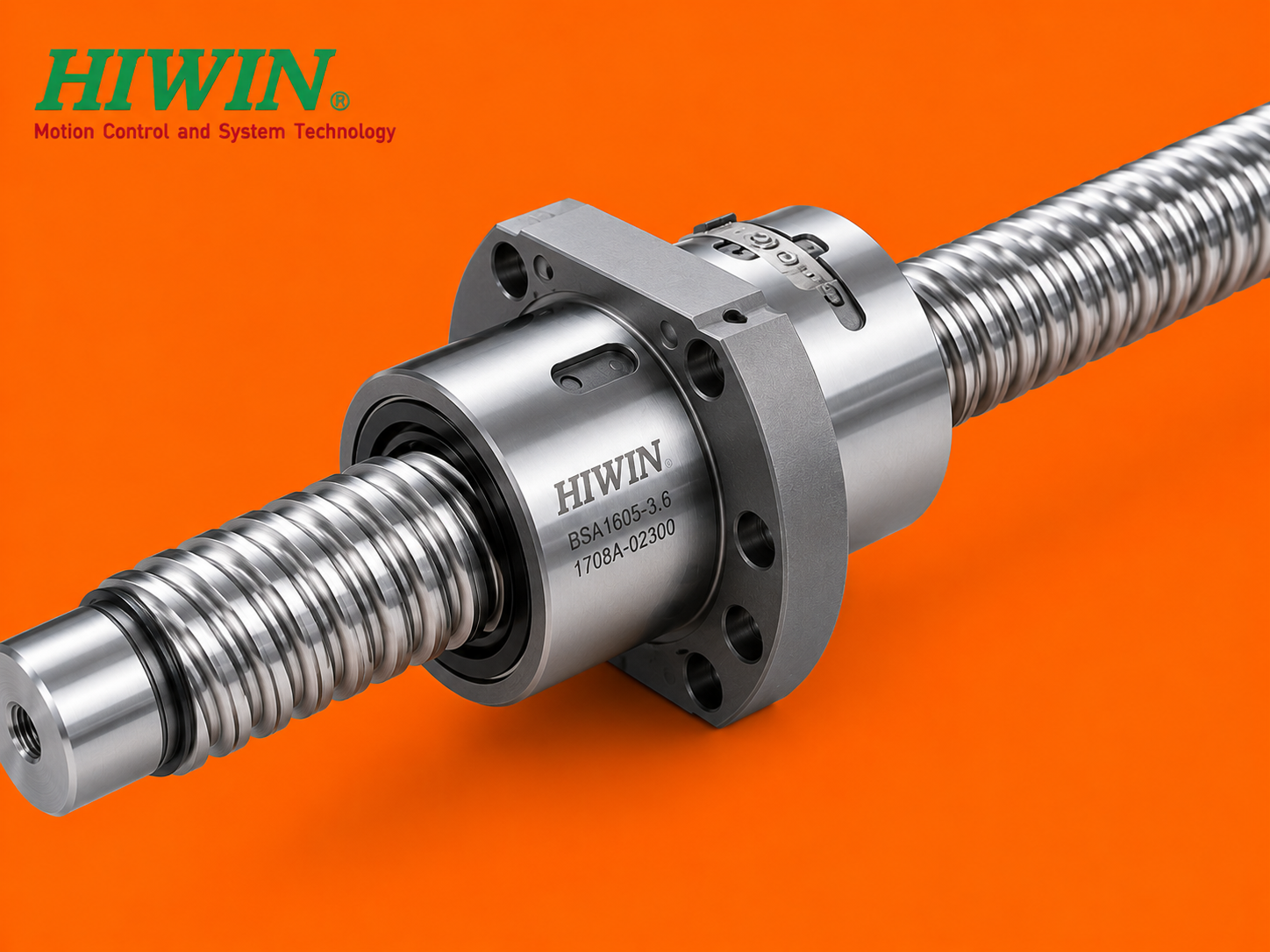 | Precision Ballscrews Balaji Engineering Works offers high-quality HIWIN Ball Screws in Pune, known for their exceptional precision, smooth operation, and long service... View product → |
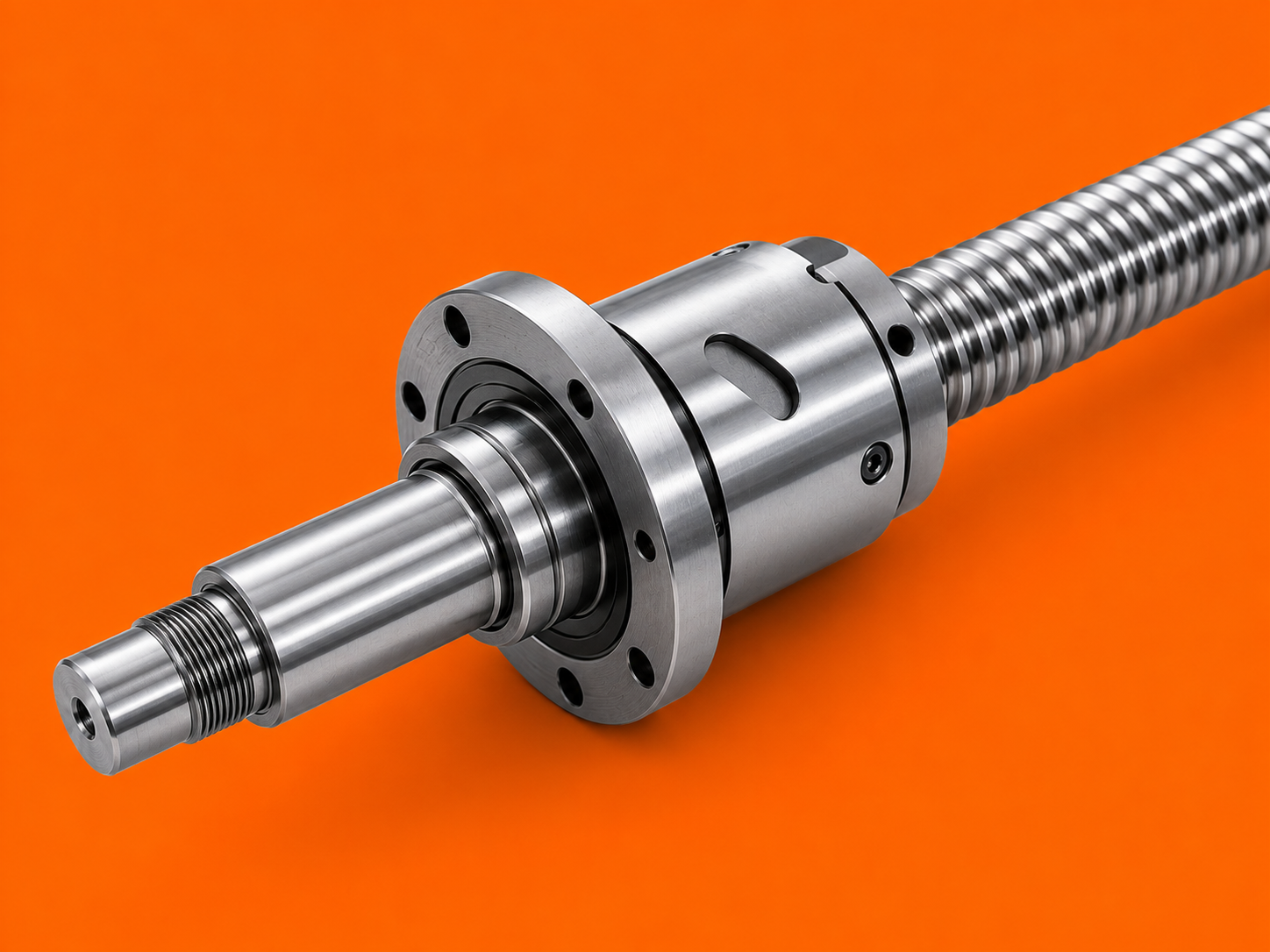 | Precision Ballscrews Balaji Engineering Works offers premium quality High Precision Ball Screws in Pune, designed for applications that demand exceptional accuracy,... View product → |
Frequently asked questions
Should you start with the HIWIN nameplate when choosing a ball screw?
No. Start with the axis’s allowable positioning error over its full stroke, then compare lead accuracy, temperature movement, preload, and fit.
Are ground ball screws always better than rolled ball screws?
No. Ground screws suit demanding positioning requirements, while a rolled screw can be the better choice when its measured accuracy meets the machine requirement and its cost is lower.
What must you verify before ordering a precision ball screw replacement?
Verify screw diameter, lead, nut dimensions, mounting geometry, ball-return style, preload, usable stroke, end machining, and the required accuracy grade.
What evidence should a precision ballscrew manufacturer provide?
Ask for measured lead-error data, runout results, preload or torque records, material and heat-treatment details, inspection records, and traceability for the supplied batch.
Related products
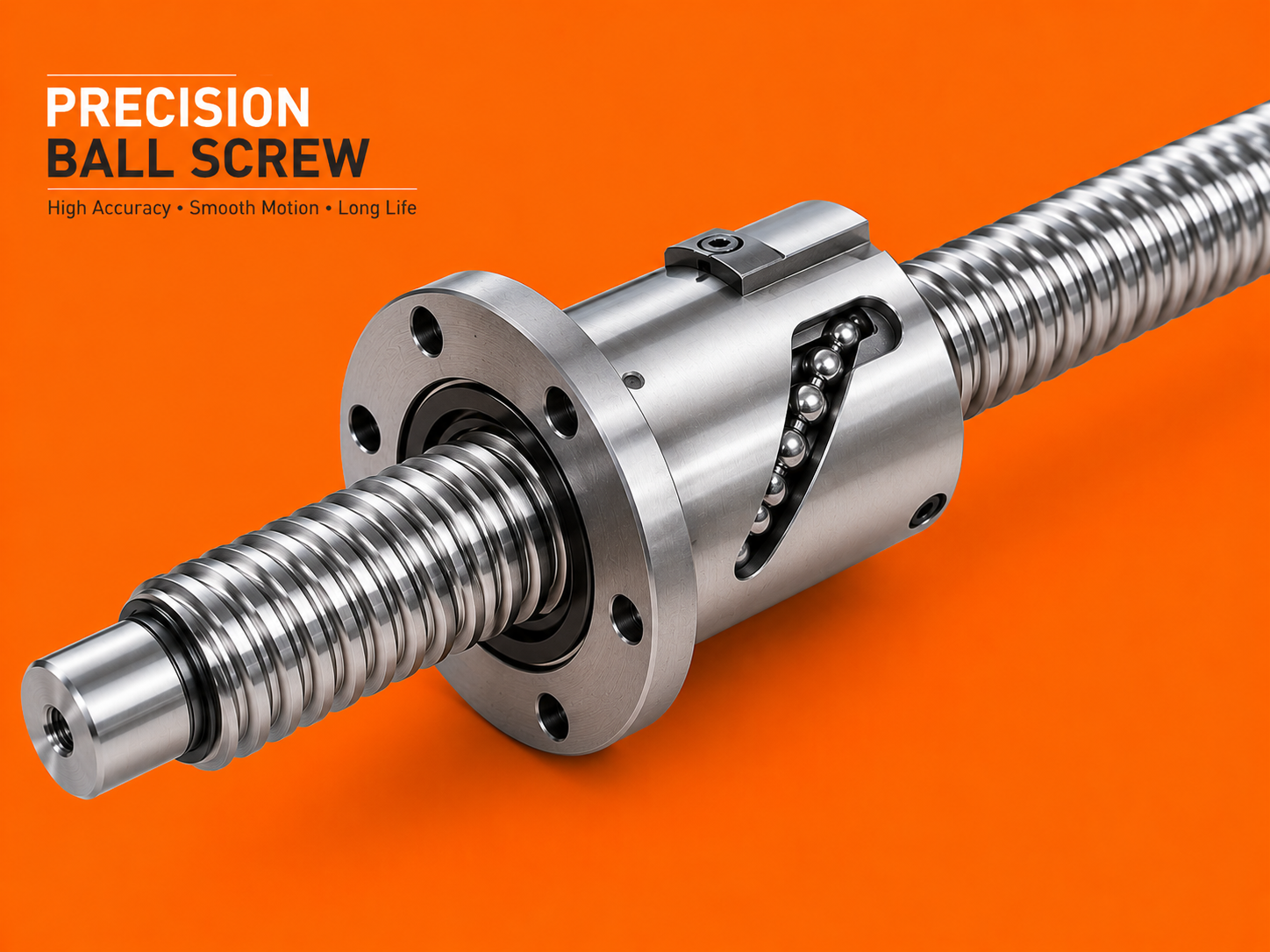 | Precision Ballscrews Balaji Engineering Works is a trusted manufacturer and supplier of Precision Ball Screws in Pune, designed for high-accuracy linear motion and... View product → |
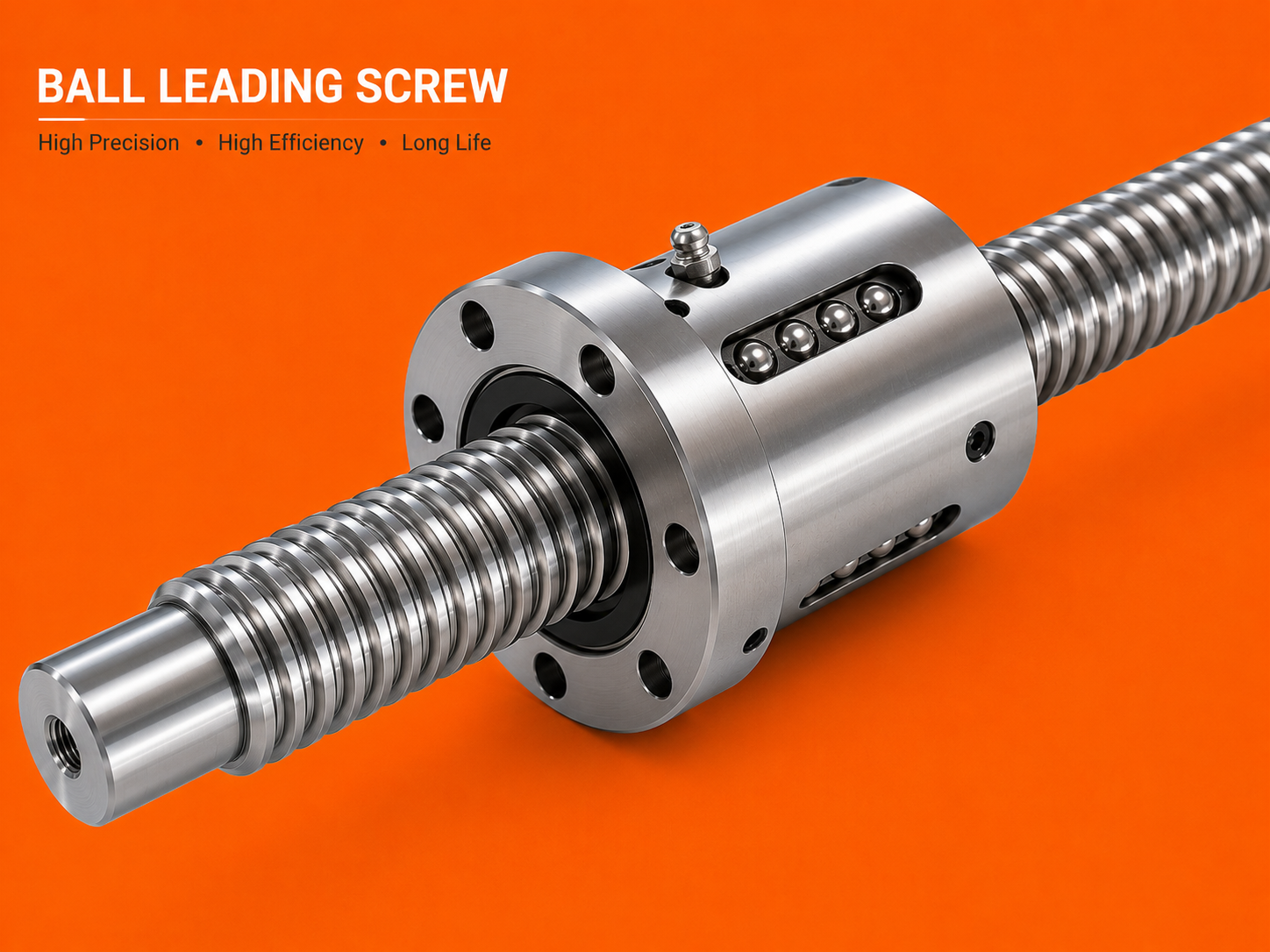 | Precision Ballscrews Balaji Engineering Works offers high-quality Ball Lead Screws in Pune, designed for precise and efficient conversion of rotary motion into linear... View product → |
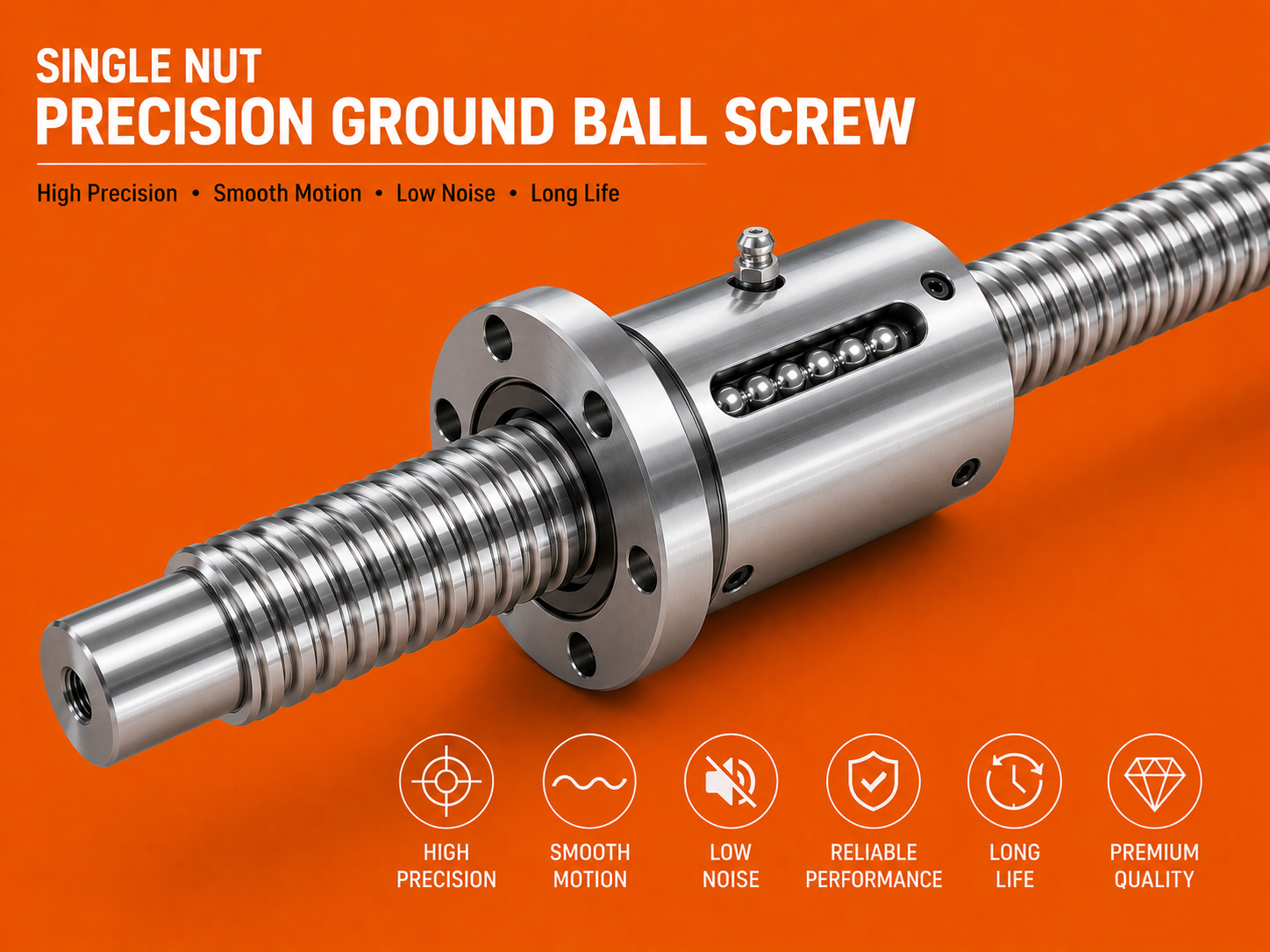 | Precision Ballscrews Single Nut Precision Ground Ball Screw Balaji Engineering Works offers high-precision Single Nut Precision Ground Ball Screws in Pune, engineered for applications requiring superior... View product → |
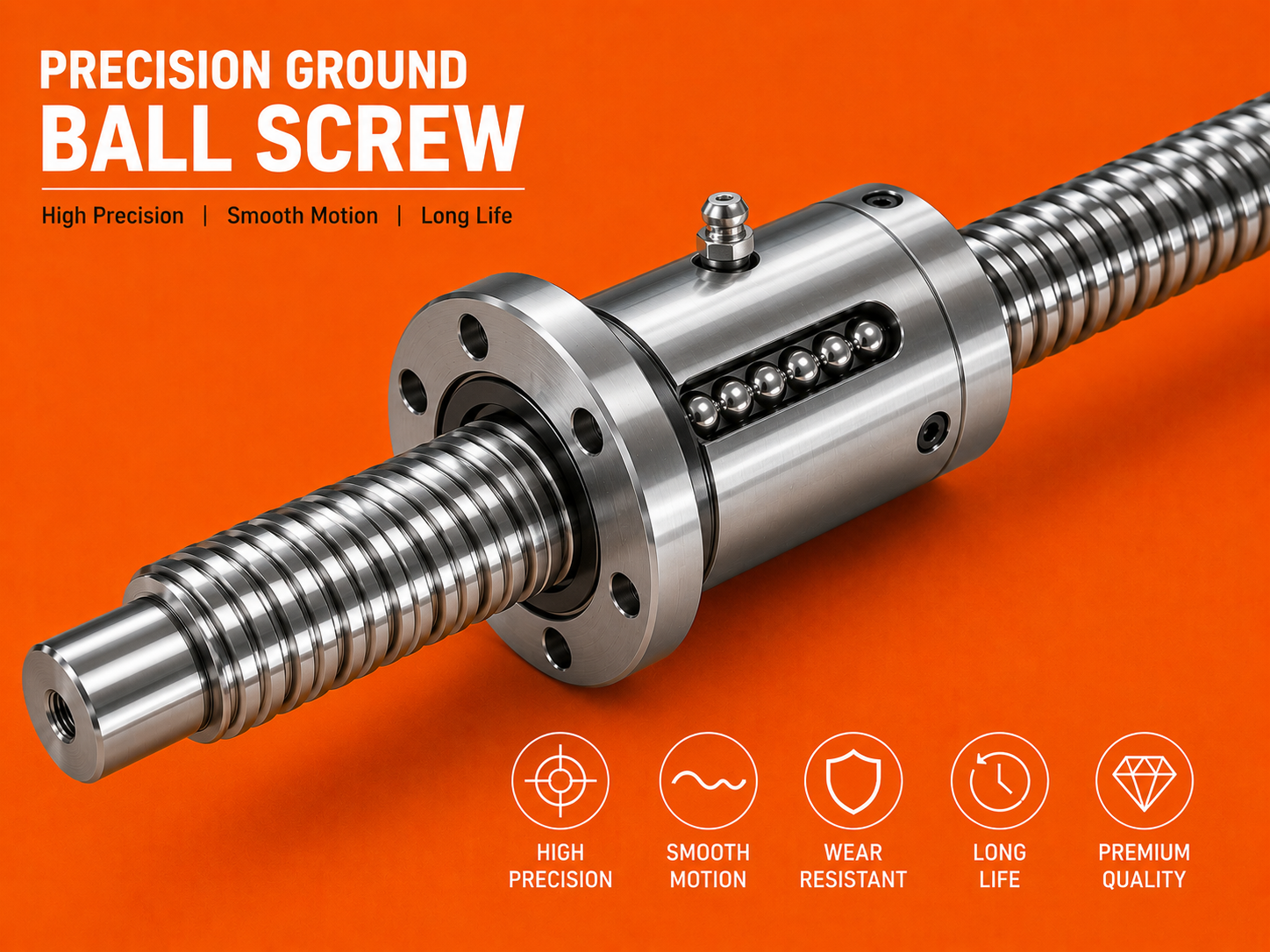 | Precision Ballscrews Balaji Engineering Works is a trusted manufacturer and supplier of Precision Ground Ball Screws in Pune, designed for applications that demand... View product → |