
A pre-monsoon replacement is not a matter of ordering any screw with the same diameter and lead. You need to identify deterioration early, freeze the correct technical specification, allow time for manufacture and acceptance, and protect the assembly from humidity before installation.
Key takeaways
- Set the recovery date before requesting replacement-screw quotes.
- Replace worn screws when backlash, pitting or runout exceeds axis limits.
- Include lead, length, accuracy class, preload and mounting details in every RFQ.
- Do not substitute a rolled screw for a ground screw without axis validation.
When should you inspect a ball screw before the monsoon?
Start the pre-monsoon inspection early enough to recover the machine before its planned shutdown ends. Set the recovery date first: subtract quoted manufacturing, inspection, transport and incoming-approval time, then add contingency for remake or dimensional rejection. Ball screw sourcing before monsoon is triggered by that date and risk, not rainfall alone.
1. Order by risk. A non-critical axis with a verified spare can follow the normal shutdown schedule. A production-critical axis with no spare needs earlier inspection and purchasing action.
2. Record backlash, lost motion, positioning error, repeatability, rough travel, abnormal noise, vibration, rising drive torque, brinelling, corrosion, damaged seals or wipers, and contaminated lubricant. These findings provide condition evidence that a life calculation cannot replace.
3. Convert travel into screw revolutions using the lead, then review duty cycle, acceleration, shock and non-axial loads. For a predominantly axial, constant load, screen L10 life in millions of revolutions with (Ca/Fa)³, where Ca is dynamic load rating and Fa is axial load.
4. Review critical speed on long screws before ordering. Unsupported length, root diameter, straightness, lead and the actual fixed, supported or free bearing arrangement determine permissible speed; changed end machining or supports can invalidate an otherwise similar replacement.
5. Release the order when remaining service life, inspection findings and supplier lead time threaten the recovery date. Do not wait for visible monsoon corrosion: condensation, contaminated lubricant or a failed seal can turn a planned replacement into an unplanned stoppage.
What findings justify replacement instead of cleaning or adjustment?
Replace the ball screw when damage or measurable error remains after cleaning and alignment correction. Clean and relubricate when contamination is external, raceways are undamaged, torque is stable, and lost motion stays within the machine’s documented acceptance limit.
1. Check guideway parallelism, bearing-seat geometry and housing alignment before blaming the screw. Misalignment imposes radial loads on the nut; the screw must not compensate for poor guideway alignment.
2. Replace the assembly, or obtain engineering approval, when you find raceway pitting, brinelling, corrosion, damaged recirculation parts, persistent roughness, abnormal torque, or seal failure with coolant ingress. Replace it when measurable positioning error remains after cleaning and alignment correction.
3. Do not treat higher preload as a universal backlash fix. Preload reduces lost motion and increases rigidity, but it also raises frictional torque, motor load and heat. A ball leading screw replacement in Pune must match the existing drive and thermal limits, not merely provide tighter motion.
4. Replace only the nut when the screw raceways and end features pass inspection and the nut is proven compatible by ball diameter, circulation geometry, preload, length, flange and seal arrangement. A loose replacement nut or loose balls are unsafe field substitutes.
5. Check thread or shaft runout after mounting, not only before installation. A clean incoming part can run inaccurately when bearing seats, housings or supports distort the assembly.
Record the rejected condition, alignment measurements and post-correction results in the maintenance file so the replacement decision is traceable.
What information must go into a replacement-screw RFQ?
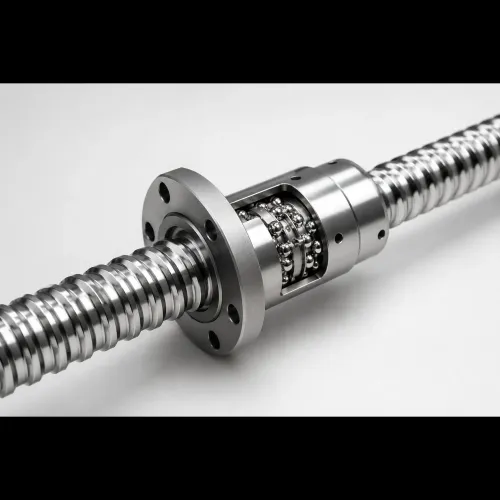
A usable RFQ starts with the original drawing, OEM part number and machine axis designation. State explicitly whether the assembly is a ball screw with recirculating rolling balls or a conventional sliding lead screw.
“ball leading screw supplier in Pune” is not a technical specification: sliding contact changes efficiency, heat generation, wear, backdrivability, lubrication and duty cycle.
1. Give the dimensional specification: shaft diameter, lead, overall length, effective thread length, nut style, nut-body and flange dimensions, mounting-hole pattern, end machining and support-bearing seats.
2. State the performance details: preload, accuracy grade, seals or wipers, lubrication method, mounting orientation, return-tube or return-cap configuration, and fixed/support bearing arrangement.
3. Describe the machine duty: travel, maximum speed, load, acceleration and existing drive data, including motor, coupling and encoder information where available.
4. Identify the requested supply: a complete matched screw-and-nut assembly, replacement nut, stocked imported item, locally machined ends or fully manufactured screw. For a nut-only request, confirm ball diameter, circulation geometry, preload, nut length, flange and seal arrangement.
5. Require the supplier to confirm critical-speed suitability for the unsupported length, root diameter, straightness and actual bearing arrangement. Matching diameter and lead alone does not establish interchangeability; a nominally similar nut can bind, run loose or overload the drive.
Attach photographs of the installed ends, nut and bearing housings, but use the drawing and measured dimensions as the controlling record.
Can a rolled screw replace a precision-ground screw on a commissioned axis?
Yes, but only after comparing the commissioned axis with the proposed assembly against the machine specification. The words rolled and ground do not establish suitability.
| Criterion | Original assembly | Proposed assembly |
|---|---|---|
| Accuracy grade | Recorded grade and tolerance | Must meet the required grade |
| Lead accuracy | Existing lead error and compensation | Must match control-system correction capacity |
| Straightness and repeatability | Measured machine performance | Must preserve positioning performance |
| Cost and quoted lead time | Current replacement baseline | Weigh savings against downtime risk |
| Dimensional interchangeability | Drawing, nut and bearing interfaces | Confirm every feature, not diameter and lead alone |
Choose a precision-ground screw when the axis depends on tighter lead accuracy and machine-level positioning. A rolled screw can suit a different accuracy and cost target when its lead error and correction requirements match the control system and machine specification.
Changing type on a commissioned axis can change positioning error, backlash, thermal behaviour, friction torque, preload sensitivity and servo tuning. It may require new compensation data and acceptance testing. Do not increase preload as an informal upgrade: verify that the motor, bearings and lubrication system can absorb the extra torque and heat.
Confirm critical speed after any change to root diameter, end machining or bearing supports. On receipt, check:
- End-feature dimensions against the drawing, plus thread or shaft runout.
- Nut smoothness, abnormal torque, preload and lost motion.
- Lubrication condition and contamination.
Use positioning-accuracy and repeatability tests aligned with ISO 230-2. Define the ball-screw acceptance record using ISO 3408 terminology and performance provisions. Treat “replacement screw manufacturer in Pune” as a search term, not proof of process capability.
How do you source, store and accept the assembly before shutdown?
Treat the supplier choice as a chain-of-custody decision, not a catalogue match. For ball screw replacement planning, ask whether the ball screw manufacturer in Pune is supplying a fully manufactured screw, a stocked imported assembly, locally machined end features or a rebuilt nut.
1. Request the rolling or grinding record, heat-treatment controls, accuracy measurements, preload verification, material or batch traceability, and an inspection report tied to your drawing. A complete matched screw-and-nut assembly is safer than loose balls or an unverified nut.
2. Specify sealed packaging with condensation control for Pune’s humid monsoon. Require corrosion protection on the exposed shaft, machined ends and bearing seats, plus protection for the internal nut. Reject packaging that allows moisture to sit against precision surfaces.
3. Store the assembly off concrete floors and support a long screw along its length; unsupported storage can cause sag or a permanent straightness change. Keep chips, abrasive dust and coolant away from seals and wipers, then inspect for flash rust before installation.
4. Match the replacement’s grease quantity, oil viscosity, delivery rate and relubrication interval to the machine. Grease and oil are not interchangeable, and over-greasing can raise torque and temperature.
Before production release, verify drawing identity, dimensions, runout, nut smoothness, torque, preload, lubrication and machine positioning results. When evaluating Balaji Engineering Works, use this same evidence checklist rather than relying on the phrase “local supplier” alone.
Related products
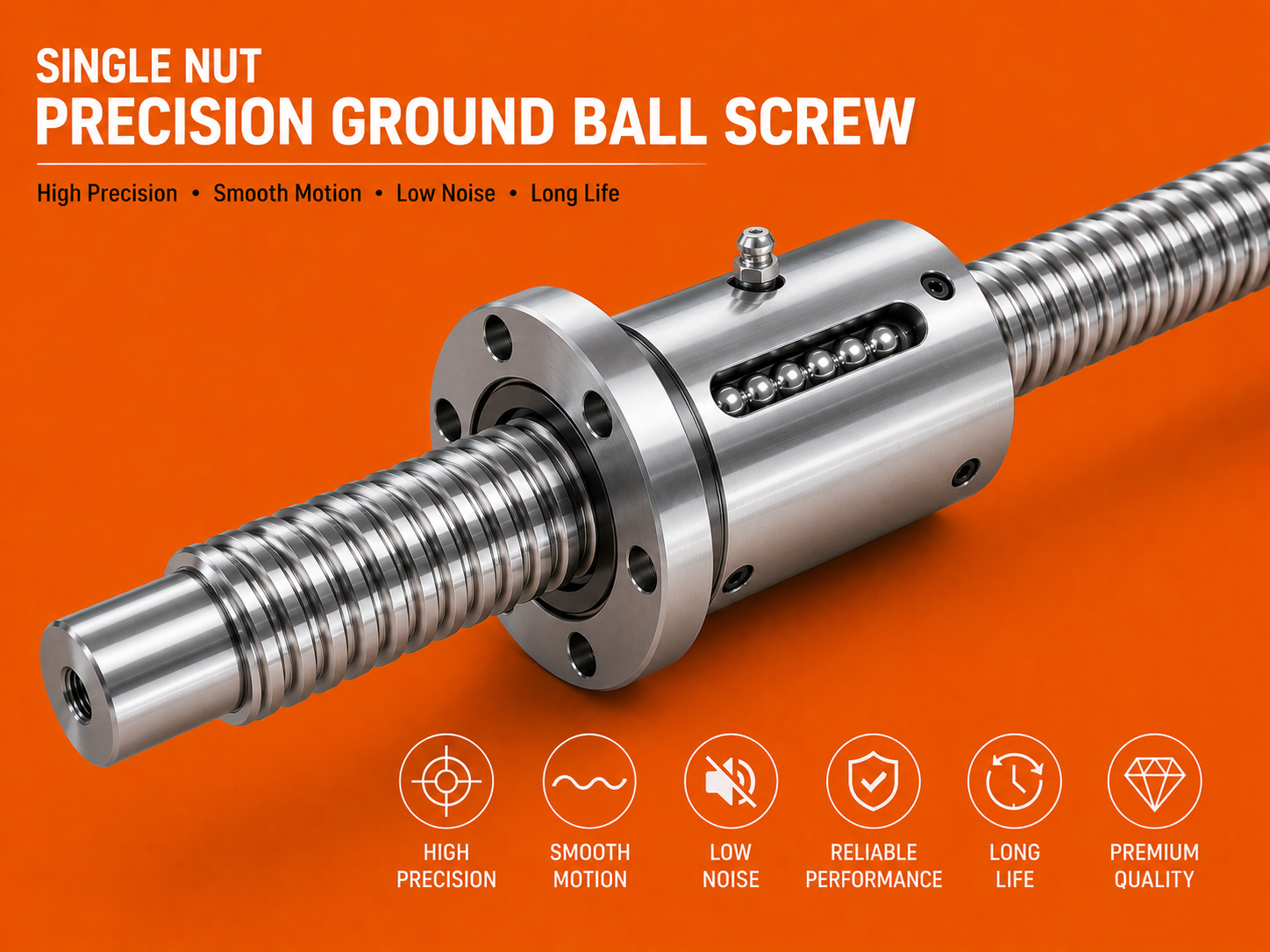 | Precision Ballscrews Single Nut Precision Ground Ball Screw Balaji Engineering Works offers high-precision Single Nut Precision Ground Ball Screws in Pune, engineered for applications requiring superior... View product → |
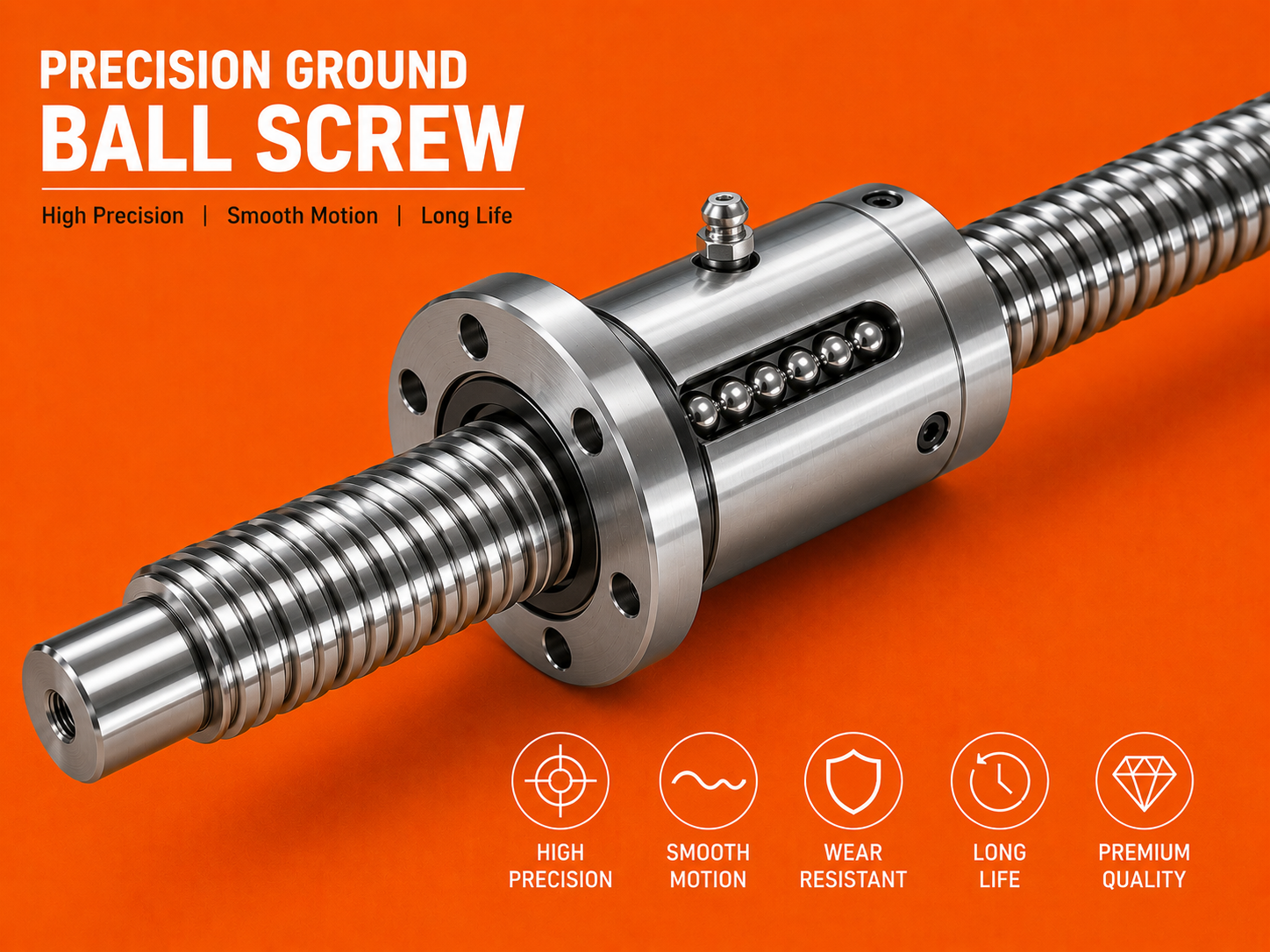 | Precision Ballscrews Balaji Engineering Works is a trusted manufacturer and supplier of Precision Ground Ball Screws in Pune, designed for applications that demand... View product → |
Frequently asked questions
When should you inspect a ball screw before the monsoon?
Inspect early enough to cover quoted manufacturing, inspection, transport and incoming-approval time before the planned shutdown ends. Add contingency for remake or dimensional rejection.
What findings justify ball screw replacement instead of cleaning or adjustment?
Replace the assembly when measured backlash, runout, pitting, brinelling, corrosion or preload loss exceeds the machine builder's axis limits. Cleaning will not restore damaged raceways or incorrect geometry.
What information must go into a replacement-screw RFQ?
Provide nominal diameter, lead, overall length, effective travel, accuracy class, shaft-end dimensions, nut style, preload, mounting orientation, lubrication method, and the machine or axis details.
Can a rolled screw replace a precision-ground screw on a commissioned axis?
Only after checking required positioning accuracy, repeatability, lead error, preload, control compensation and mounting compatibility. A rolled screw is not an automatic substitute for a commissioned ground-screw axis.
How do you source, store and accept the assembly before shutdown?
Request drawings, inspection records and delivery commitments from the supplier; store the sealed assembly horizontally with corrosion protection; then verify identification, lead, runout, dimensions, preload and smooth travel before installation.
Related products
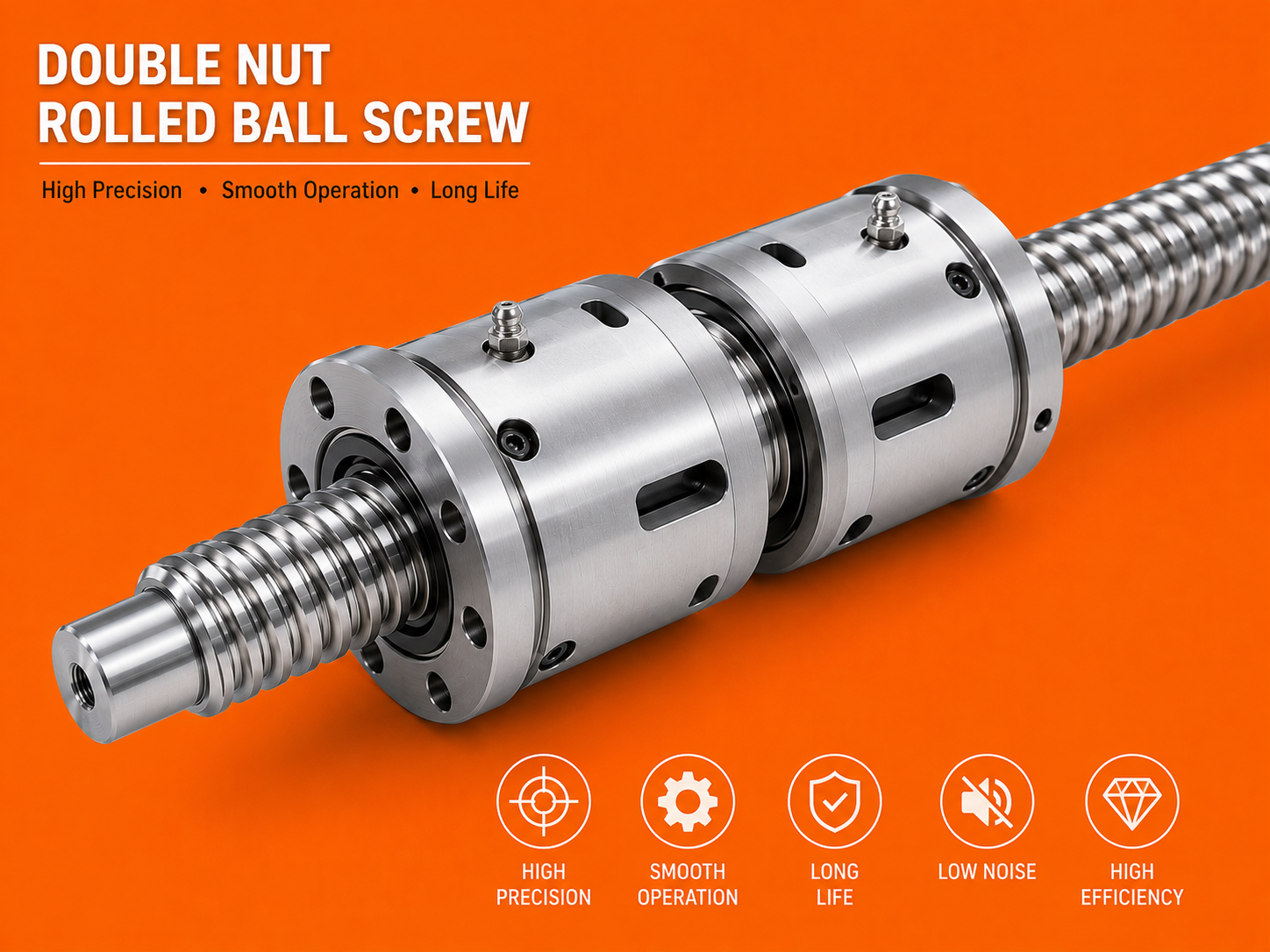 | Precision Ballscrews Balaji Engineering Works offers high-performance Double Nut Rolled Ball Screws in Pune, designed for applications requiring reduced backlash,... View product → |
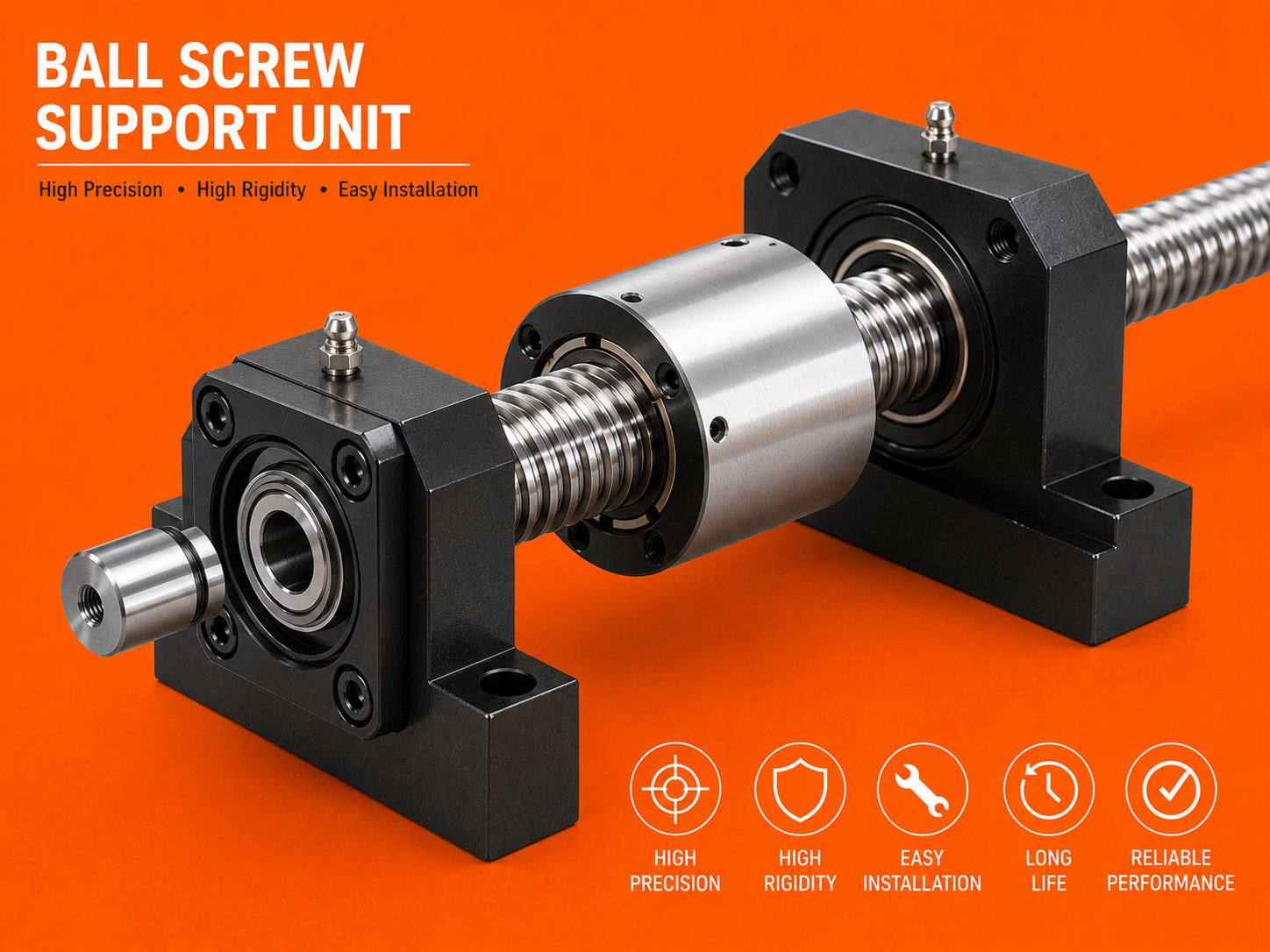 | Precision Ballscrews Balaji Engineering Works offers high-quality Ball Screw Support Units in Pune, designed to provide stable and precise support for ball screw... View product → |
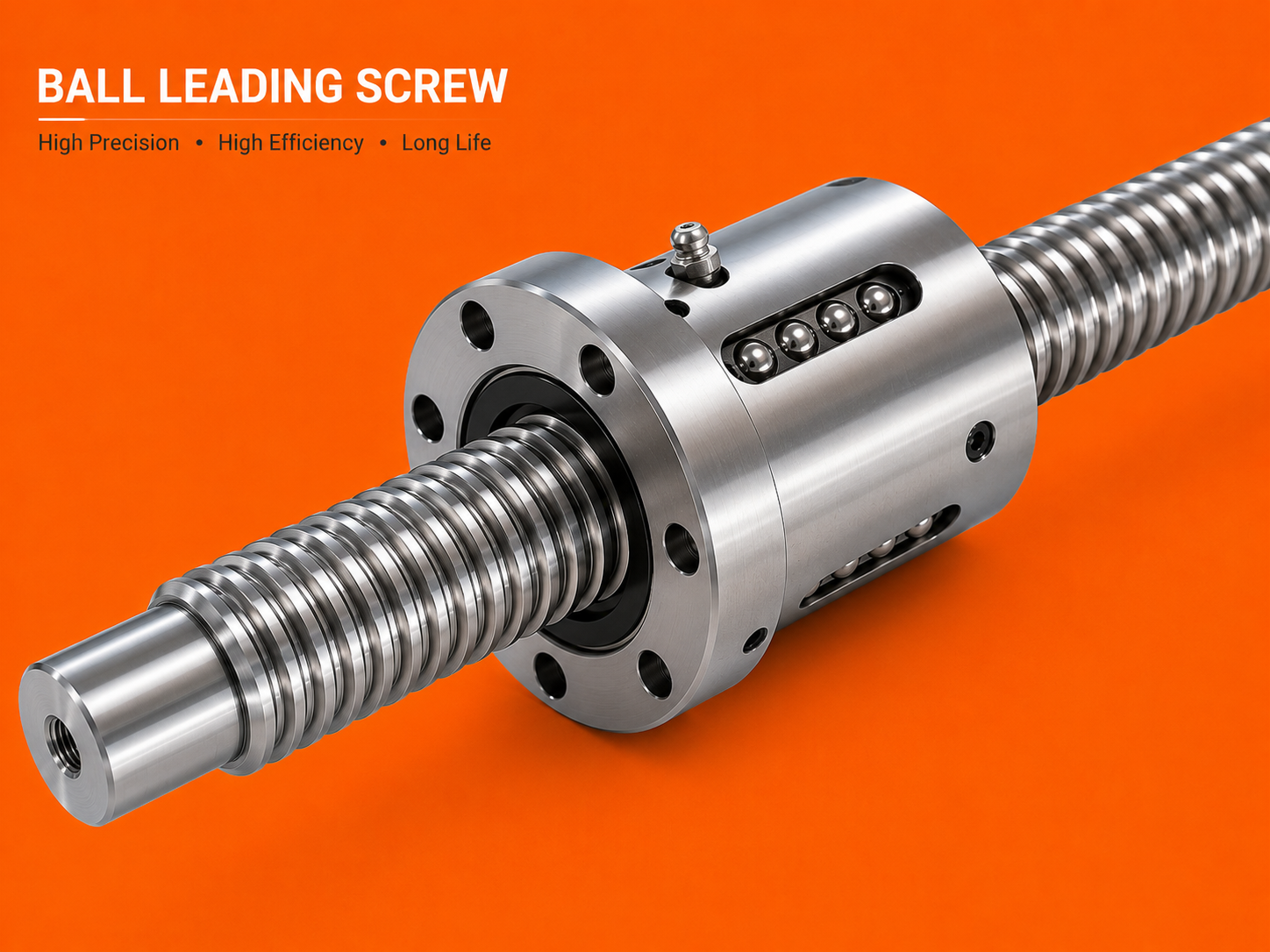 | Precision Ballscrews Balaji Engineering Works offers high-quality Ball Lead Screws in Pune, designed for precise and efficient conversion of rotary motion into linear... View product → |
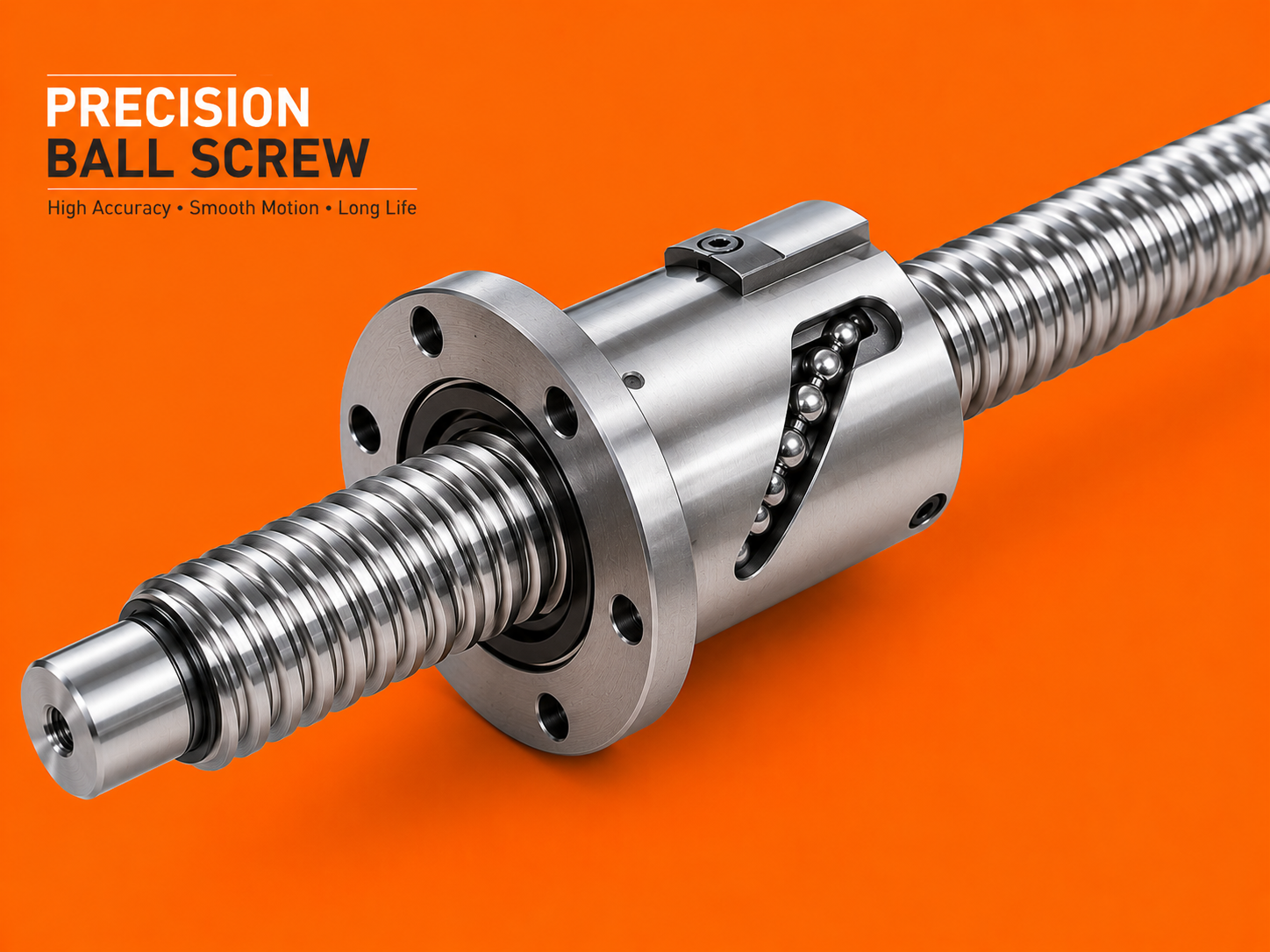 | Precision Ballscrews Balaji Engineering Works is a trusted manufacturer and supplier of Precision Ball Screws in Pune, designed for high-accuracy linear motion and... View product → |