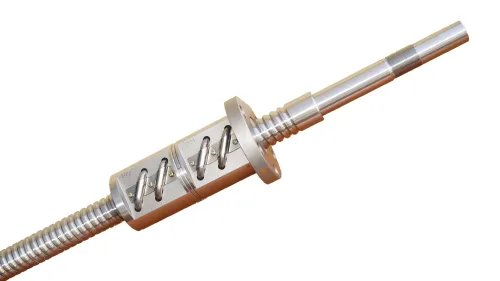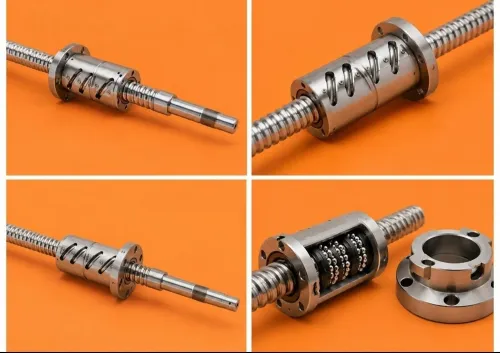

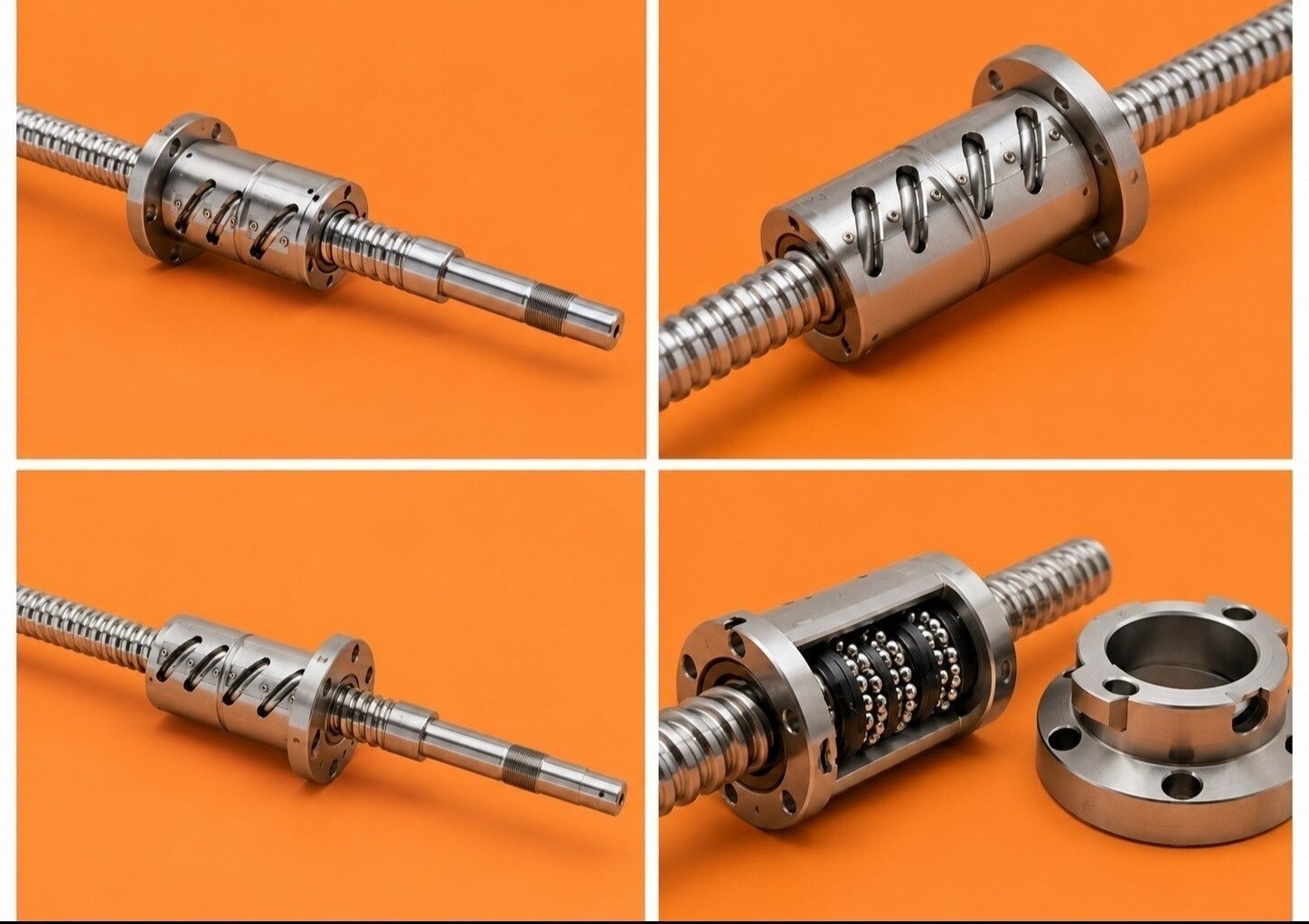
Before Pune’s wet season, inspect the complete axis rather than adding grease to a screw that may already contain water, abrasive particles, or raceway damage. By the end, you will know what to check, which measurements to record, when maintenance is enough, and what information a manufacturer needs to recommend repair or replacement.
Key takeaways
- Power down, clean and dry the axis before inspecting the screw.
- Check for pitting, rust, backlash, noise and damaged seals.
- Use the lubricant specified for your ball screw and seal moisture entry points.
- Replace the assembly when raceway damage or measurable accuracy loss remains.
What should you inspect before a Pune machine faces monsoon humidity?
Start with a powered-down, cleaned axis; inspecting over chips and wet coolant hides the first signs of damage. For monsoon machine maintenance in pune, use this sequence:
1. Isolate power and release stored energy. Wipe the screw, nut housing, covers, and nearby surfaces with a lint-free cloth. Do not spray water or solvent into the nut.
2. Inspect bellows, telescopic covers, wipers, end seals, and cable carriers. Look for tears, gaps, hardened wiper lips, loose fasteners, and damaged return-tube protection. A failed wiper can carry abrasive coolant into the ball return path while the screw still appears clean.
3. Examine the exposed screw for orange rust, staining, scoring, dents, or dried coolant. Check the lubricant for water separation, grit, discoloration, and hard deposits. Do not add fresh grease over contaminated grease.
4. Clear drain holes and confirm that coolant cannot pool beneath the axis or splash upward. Check coolant leaks, floor splash, cabinet condensation, compressed-air dryer operation, and HVAC or dehumidification performance.
5. Record baseline backlash or lost motion, positioning repeatability, drive torque or motor current, vibration, noise, and temperature. Run a slow, controlled cycle through the full usable stroke after reassembly checks.
Humid air accelerates corrosion on an exposed screw; overnight shutdowns can create condensation inside covers and cabinets. Poor drainage lets water wash lubricant away, while damaged bellows admit coolant and grit. The result is rough recirculation, increased torque, lost preload, and positioning error after the wet season.
How can you examine a ball screw without causing new damage?
Isolate power, lock out the axis, and clean the exposed screw with a lint-free cloth before touching the nut or coupling. Photograph the shaft, seals, wipers, return tubes, mounting bolts, and lubricant. Rust rings, water tracks, milky grease, scoring, dents, loose bolts, or damaged return tubes identify moisture ingress or contamination without dismantling the assembly.
Check these points while the nut remains installed:
| Check | What to inspect | Baseline to record |
|---|---|---|
| Screw and seals | Rust, pitting, scoring, dents, torn wipers, leaking seals | Photos and machine-axis position |
| Lubricant | Grit, discolouration, water separation, hardened grease | Lubricant type, condition, and last application |
| Travel | Binding, rough recirculation, abnormal noise, or changing motor load | Torque or drive-current trend through full stroke |
| Alignment | Parallelism to guideways, coupling runout, bearing looseness, nut-face contact | Dial-indicator readings and binding location |
Measure backlash or lost motion with a dial indicator at the nut or carriage, then record positioning repeatability at several positions. Compare results with the machine builder’s limits; do not tighten a preloaded single nut or add balls as a quick adjustment.
For ball screw seasonal preparation, record the serial number, screw length, preload or accuracy class, lubricant identification, photographs, and measured values. A rising torque trend with stable backlash points toward lubrication or contamination; backlash, runout, or position error points toward wear or alignment. Move the axis only under the machine maker’s controlled test procedure.
What lubrication and moisture controls are appropriate before the wet season?
Do not cover a wet ball screw with heavy grease: that traps water and hides the ingress path. Ball screw seasonal preparation starts with removing contamination, correcting the seal or drainage fault, and then applying the specified lubricant.
1. Wipe the screw clean, remove old grease from the accessible screw and nut area, and inspect the removed lubricant for water, grit, rust or metal particles. Follow the manufacturer’s cleaning procedure; do not force solvent into the nut or flush contaminants through the ball return system.
2. Select grease, oil-air or metered oil from the manufacturer’s specification and the machine’s operating hours, stroke, speed, load, temperature and contamination level. Do not mix products with different base oils, thickeners or additives: the mixture can separate, harden or lose its film strength.
3. Stop water at the source. Replace torn wipers, damaged bellows and leaking end seals; clear drain paths and correct covers that direct runoff toward the nut. A heavier grease layer will not protect a nut from water entering through a damaged seal.
4. For shutdown, clean and dry exposed steel, apply the approved corrosion preservative, and move the axis only when the maintenance procedure permits it. Do not wrap a damp assembly in impermeable plastic; support a long screw against sag and shield the nut from impact, dust and condensation.
When is preventive maintenance enough, and when should you replace the assembly?
Single nut precision ground maintenance is not a backlash-adjustment job. If measured lost motion, torque variation, or positioning error exceeds the machine builder’s limit, send the assembly for factory refurbishment or replace the matched screw-and-nut set. Tightening the nut or adding balls can destroy its designed preload.
Surface rust on the exposed shaft is a maintenance issue when it wipes away without pits or scoring. Clean and dry the surface, apply the approved corrosion preservative, and recheck torque and accuracy. Contaminated grease also supports cleaning and relubrication if the raceways and return path remain undamaged.
Use these findings to decide whether cleaning is enough:
- Pitting or brinelling creates permanent raceway damage. Replace or refurbish the assembly; lubrication cannot restore the damaged contact surfaces.
- Rough recirculation after cleaning points to damaged balls, raceways, or a return system. Stop operating the axis and obtain a technical assessment.
- Backlash or lost preload in a preloaded nut requires replacement or factory service, not an improvised adjustment.
- Misalignment calls for correcting mounting, support, or coupling errors first. Replace the screw if misalignment has bent the shaft or damaged the nut.
After maintenance, run the normal warm-up and verify positioning with the machine builder’s method. Low backlash alone does not prove geometric accuracy, and persistent error after alignment indicates assembly replacement rather than seasonal servicing.
What can a ball screw manufacturer do before your planned Pune shutdown?
Send the manufacturer a traceable record, not only a photograph of a rusty shaft. A ball screw manufacturer can separate contaminated lubrication from pitting, brinelling, lost preload, or damaged recirculation parts when the evidence includes operating data and the original assembly specification.
1. Provide the machine drawing, axis name and position, ball-screw serial number, nut part number, installation orientation, service history, and clear photographs of the screw, nut, seals, wipers, return tubes, mounting ends, and lubricant contamination.
2. Record measured backlash or lost motion, positioning error, repeatability, torque variation, axial runout, stroke length, travel speed, load, operating temperature, and total operating hours. State whether the reading was taken at the machine’s reference position and identify the test instrument.
3. Identify the lubricant by manufacturer and grade, application method, last application date, quantity, and compatibility concerns. Include whether grease, metered oil, or oil-air lubrication is installed.
4. Ask for a written recommendation covering cleaning, seal replacement, factory refurbishment, or replacement. For a replacement, confirm nominal diameter and lead, nut style, preload class, accuracy class, shaft length, end machining, seal arrangement, lubrication requirement, and whether the screw and nut are supplied as a matched set.
A visually similar nut can have different ball diameter, return geometry, preload, or flange dimensions. Do not tighten a single preloaded nut or add balls without the maker’s procedure; that can increase friction and destroy accuracy.
Balaji Engineering Works can use this information to assess whether the existing precision ground assembly is recoverable. Choose a ball screw manufacturer for before monsoon maintenance in Pune that also supplies installation and run-in instructions, not merely stock availability.
Related products
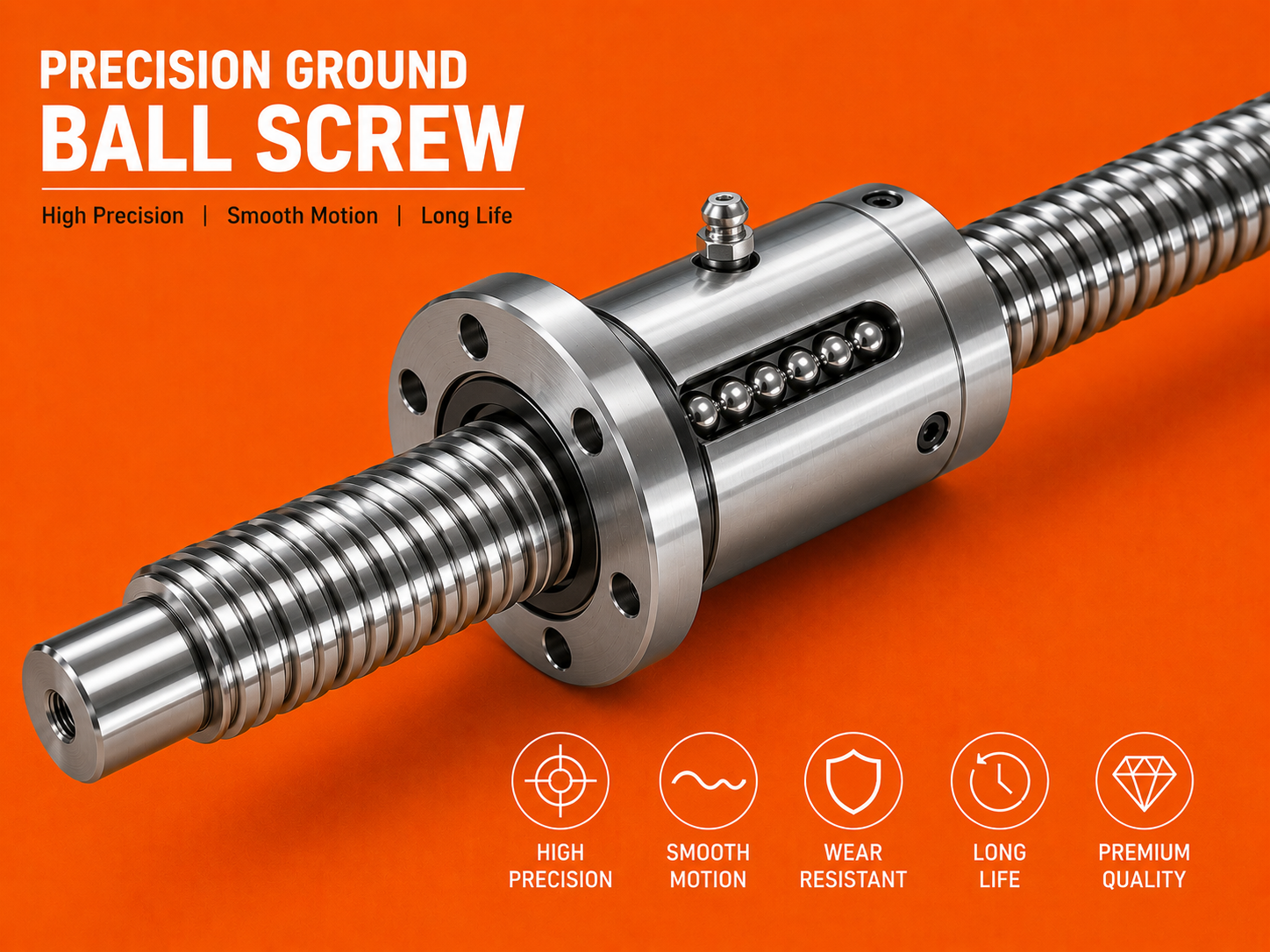 | Precision Ballscrews Balaji Engineering Works is a trusted manufacturer and supplier of Precision Ground Ball Screws in Pune, designed for applications that demand... View product → |
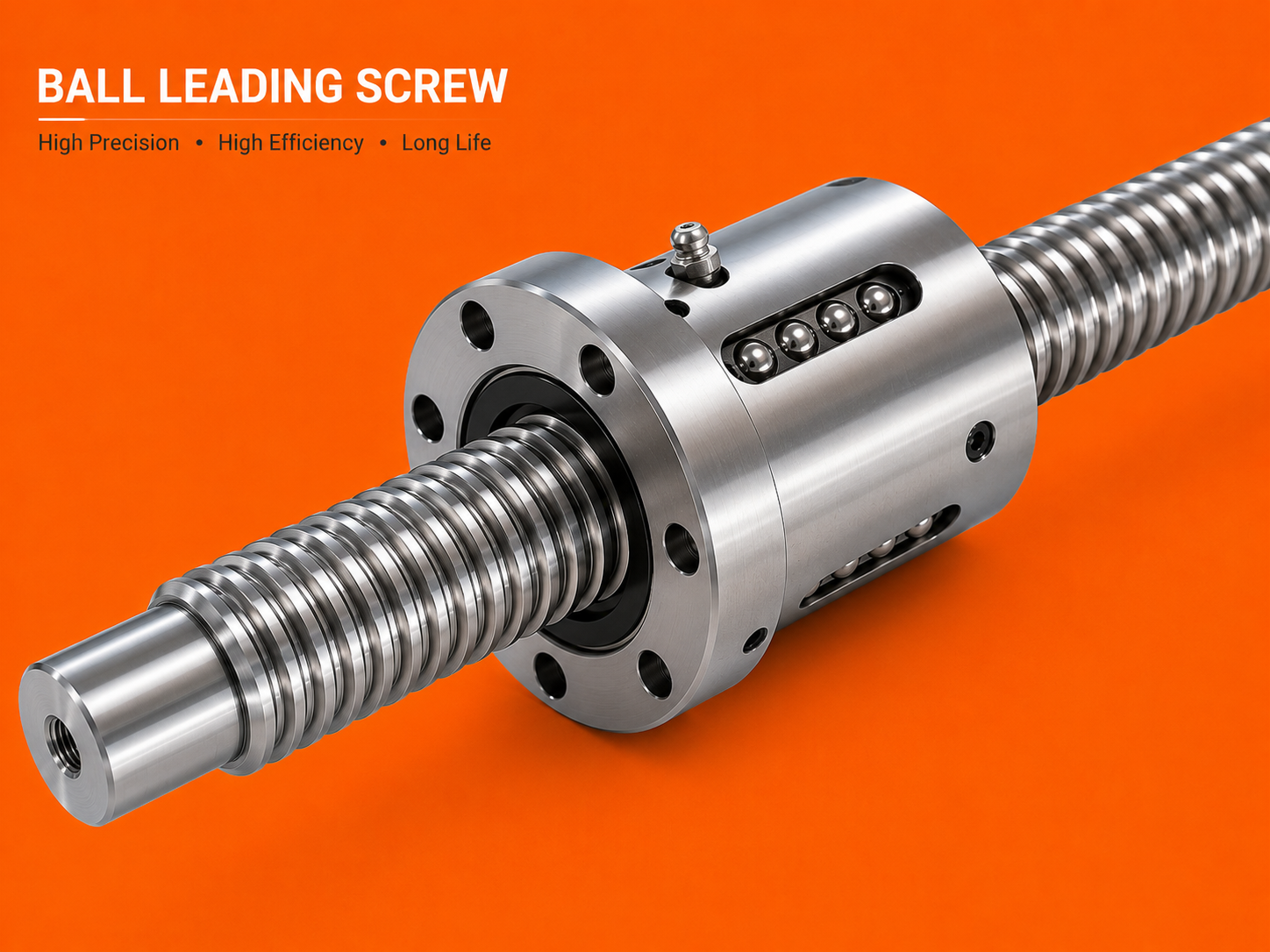 | Precision Ballscrews Balaji Engineering Works offers high-quality Ball Lead Screws in Pune, designed for precise and efficient conversion of rotary motion into linear... View product → |
Frequently asked questions
What should you inspect before a Pune machine faces monsoon humidity?
Power down and clean the axis, then inspect the ball screw, nut, wipers, seals, mounting points and nearby coolant lines. Look for rust, pitting, staining, damaged covers, loose fasteners and moisture trapped around the nut.
How can you examine a ball screw without causing new damage?
Lock out power, remove chips with a lint-free cloth and use suitable cleaner without forcing contamination past the wipers. Rotate and traverse the axis by hand only when the machine design permits it, checking for rough spots, abnormal noise, backlash and uneven resistance.
What lubrication and moisture controls are appropriate before the wet season?
Clean old contaminated grease, apply the lubricant and quantity specified by the ball-screw maker, and do not mix incompatible greases. Repair torn wipers, improve way-cover drainage, keep coolant spray away from seals and use a dry covered machine during shutdown.
When is preventive maintenance enough, and when should you replace the assembly?
Maintenance is enough when inspection finds contamination or dry running without raceway damage, excessive backlash or recurring roughness. Replace the screw and nut when you find pitted raceways, brinelling, damaged balls, persistent noise or accuracy loss after cleaning and lubrication.
What can a ball screw manufacturer do before your planned Pune shutdown?
A ball screw manufacturer can review service symptoms, inspect or measure the assembly, confirm whether a single nut precision ground unit suits the application, and plan repair or replacement. Ask for dimensional checks, preload details, lubrication guidance, lead accuracy requirements and delivery timing before the shutdown.
Related products
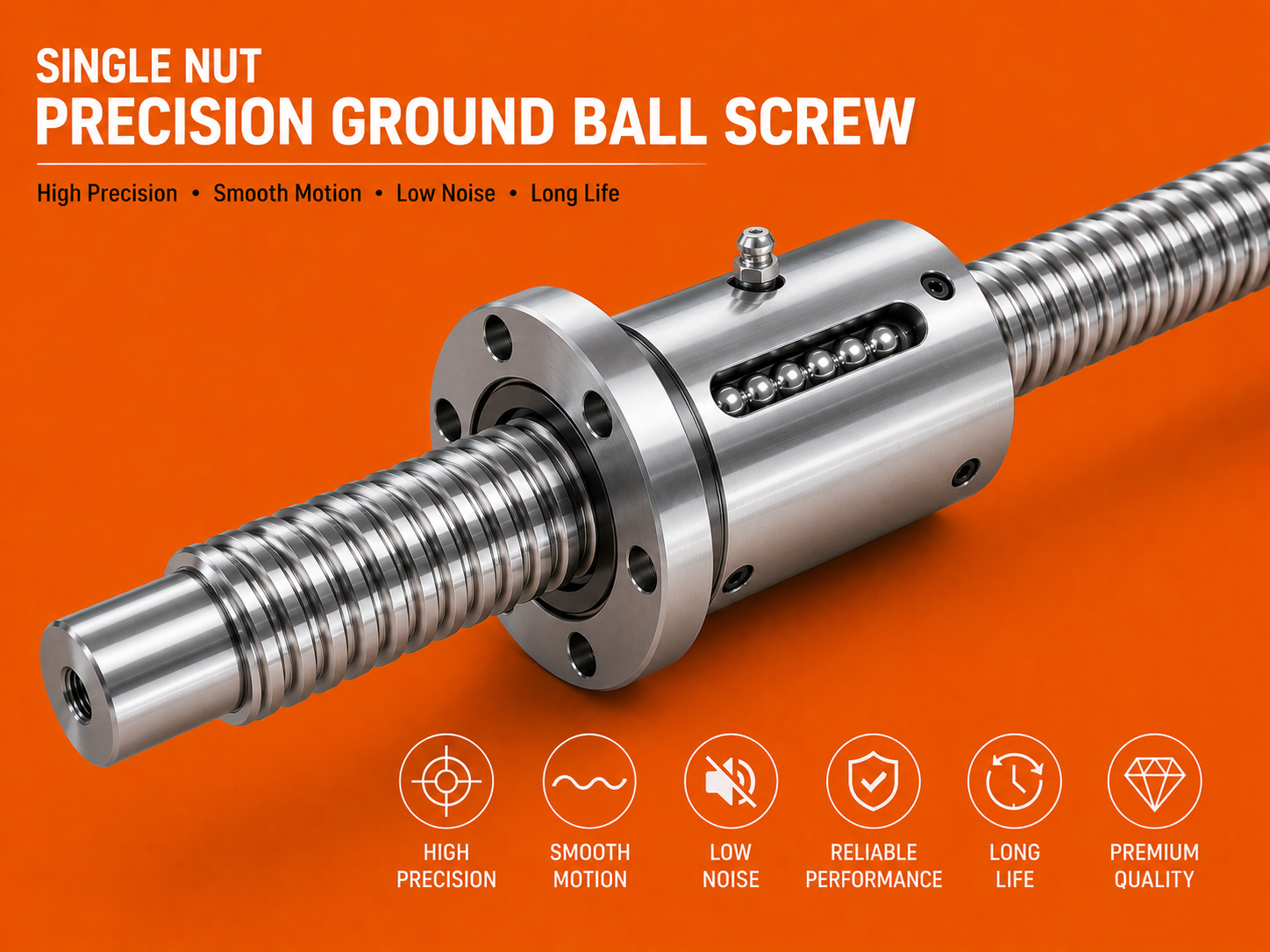 | Precision Ballscrews Single Nut Precision Ground Ball Screw Balaji Engineering Works offers high-precision Single Nut Precision Ground Ball Screws in Pune, engineered for applications requiring superior... View product → |
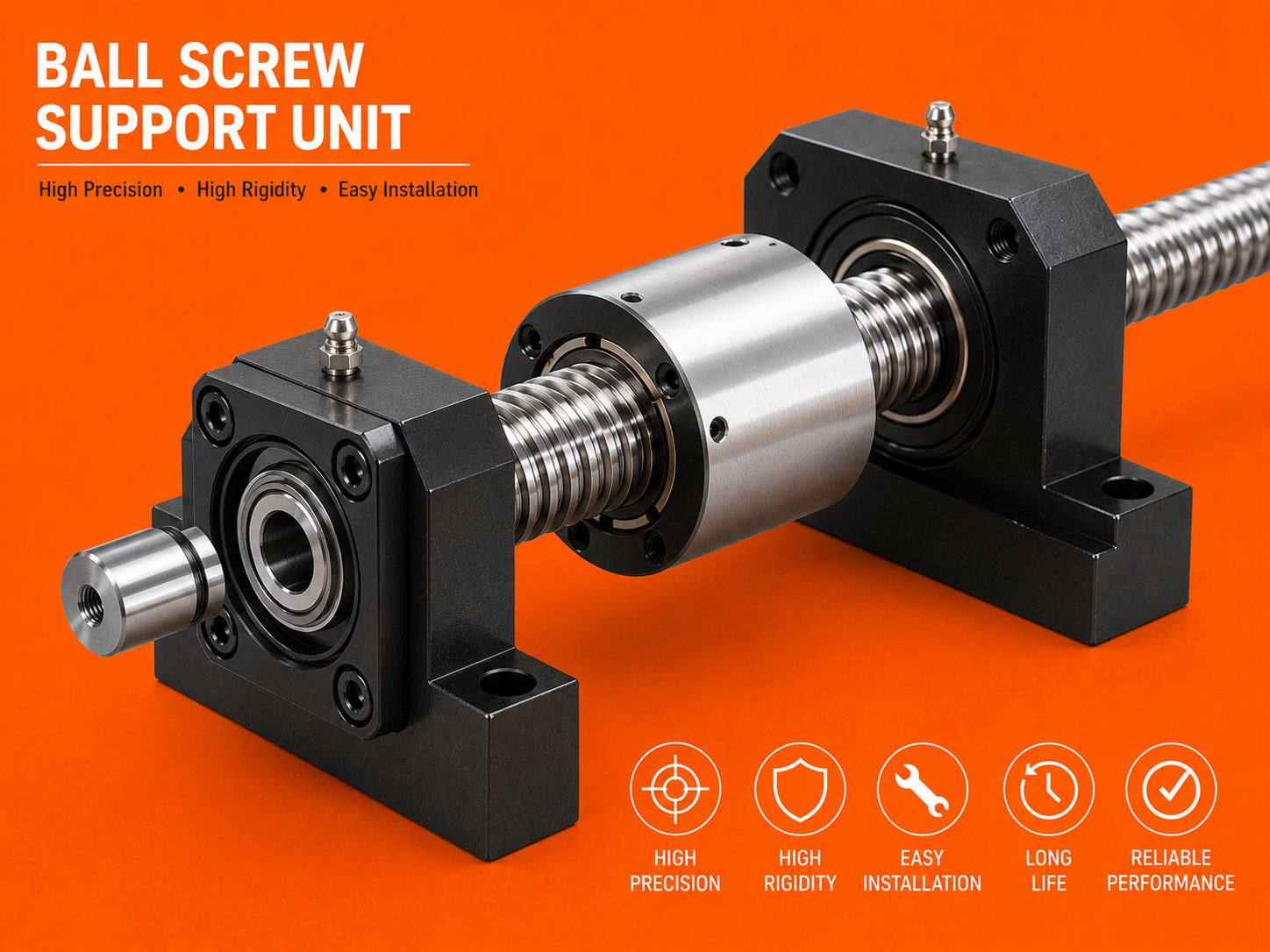 | Precision Ballscrews Balaji Engineering Works offers high-quality Ball Screw Support Units in Pune, designed to provide stable and precise support for ball screw... View product → |
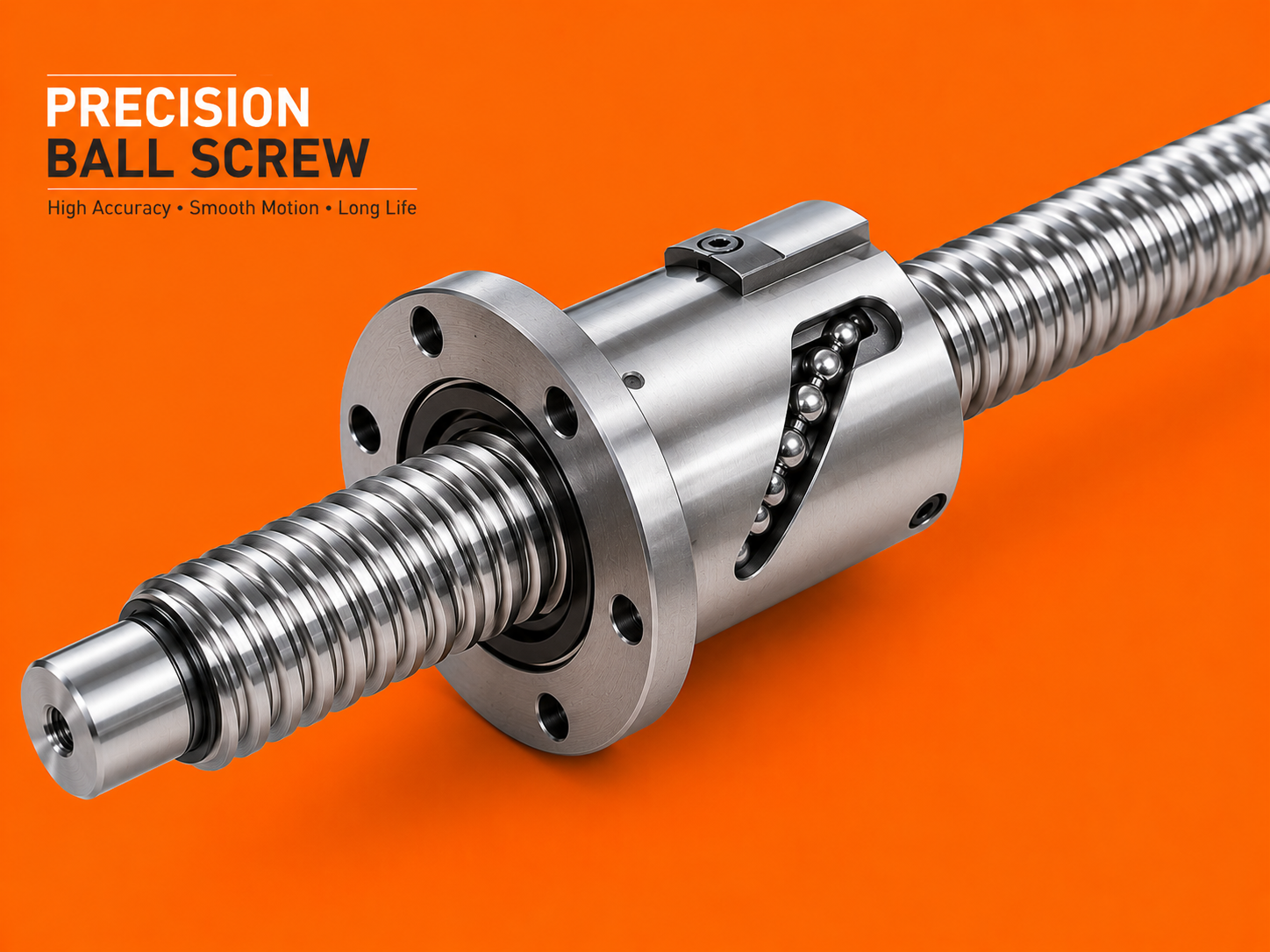 | Precision Ballscrews Balaji Engineering Works is a trusted manufacturer and supplier of Precision Ball Screws in Pune, designed for high-accuracy linear motion and... View product → |
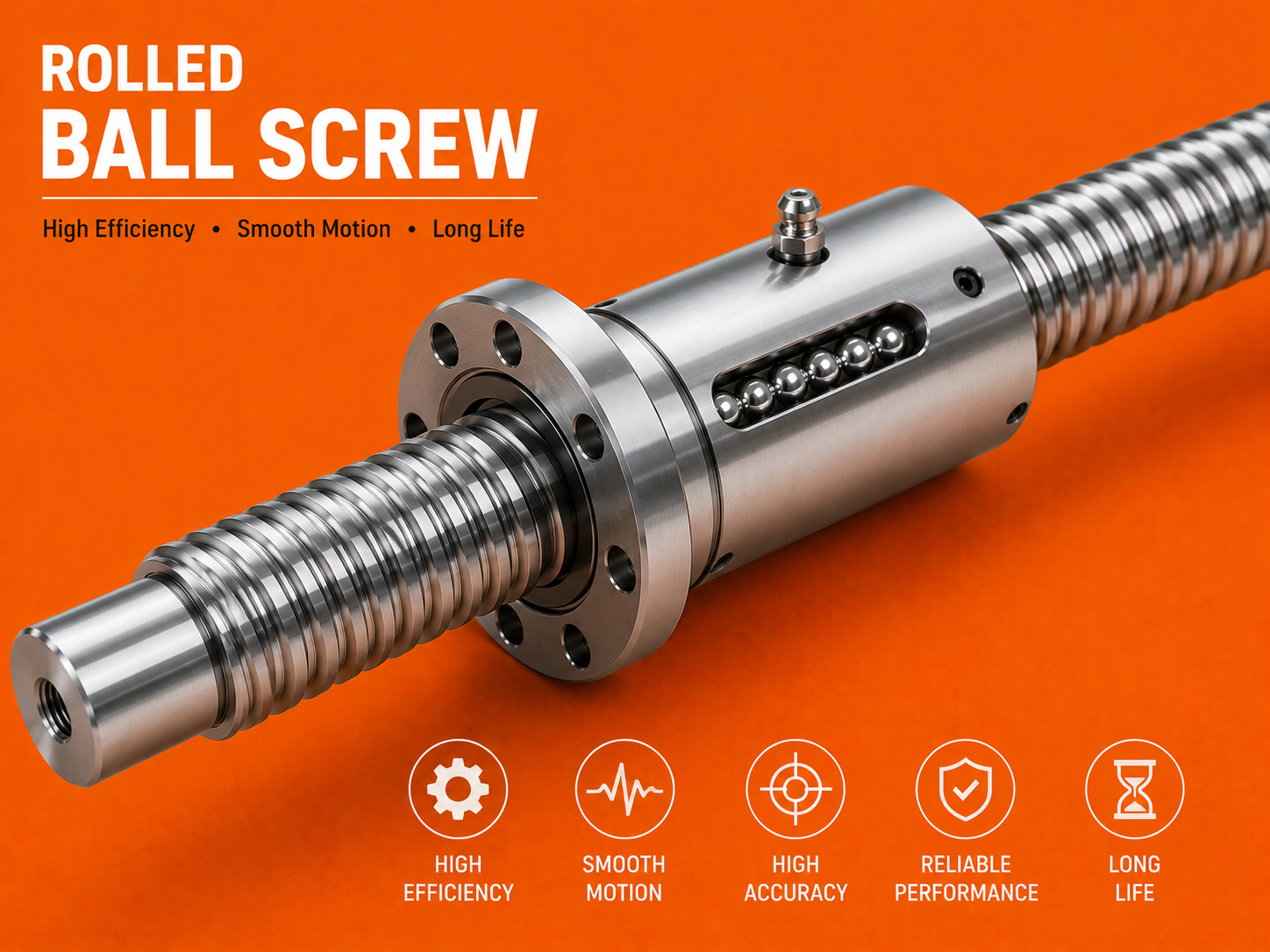 | Precision Ballscrews Balaji Engineering Works offers high-quality Rolled Ball Screws in Pune, designed for efficient linear motion with excellent performance and... View product → |