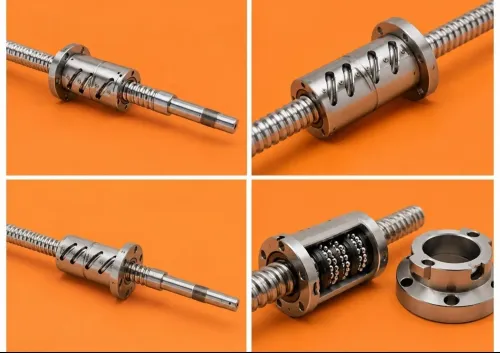

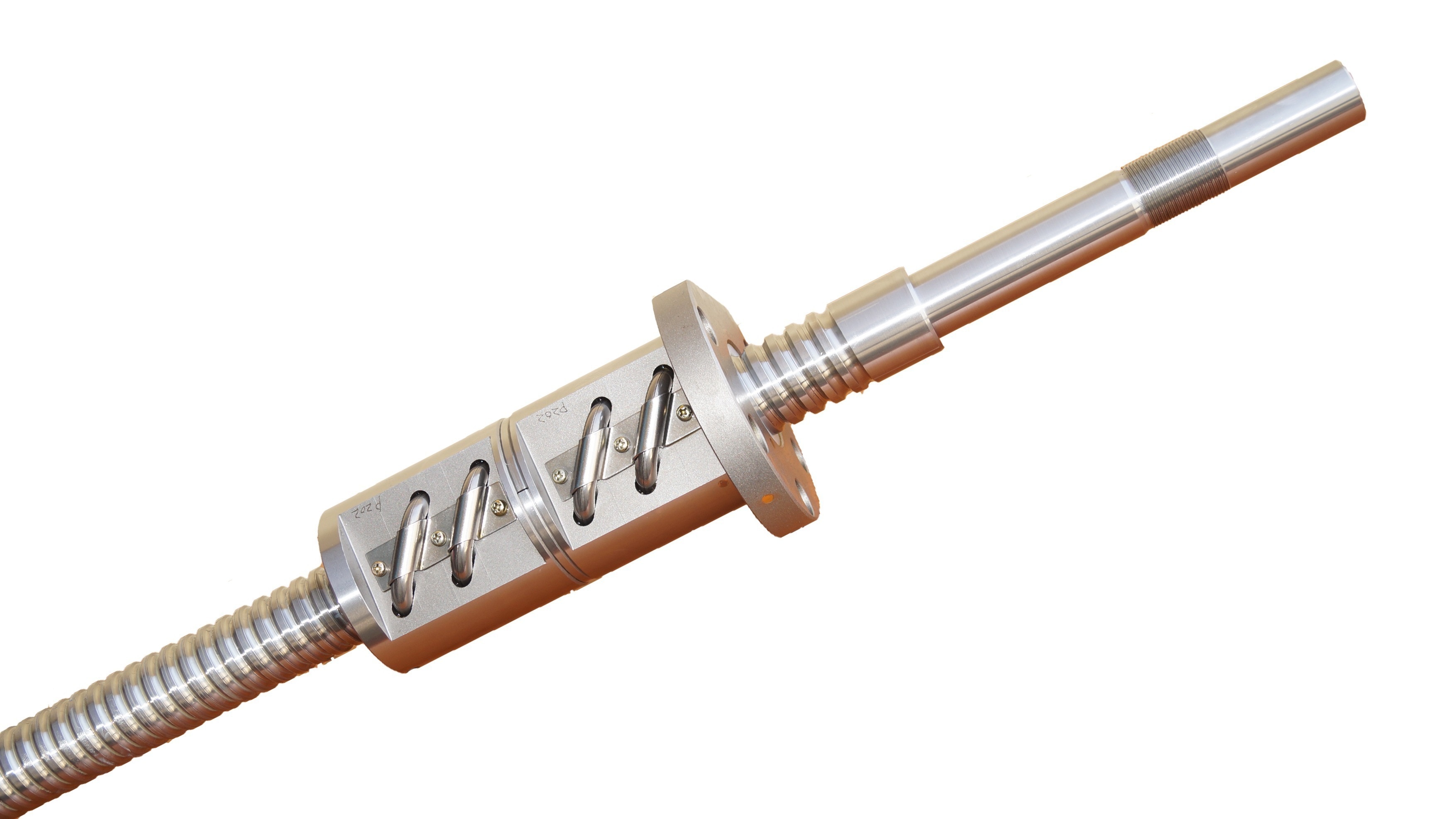
Selecting a ball screw by diameter or by the motor’s horsepower can leave a machine-tool axis with poor rigidity, excessive heat, short service life, or unacceptable reversal error. By the end, you will have a practical method for sizing the assembly, specifying its accuracy and preload, checking mechanical fit, and evaluating an industrial supplier’s inspection records.
Key takeaways
- Size the screw from peak axial load, speed, duty cycle, and required life.
- Specify diameter, lead, length, accuracy class, preload, end supports, and lubrication.
- Use ground screws for demanding accuracy; choose rolled screws when cost and lead length dominate.
- Request inspection data, preload details, runout results, and acceptance criteria before ordering.
Start with the Axis Load, Speed, and Life Calculation
Size the screw from the worst axis condition, not motor horsepower or the old screw’s diameter. For a machine tool ball screw in Rajkot, begin with:
- Cutting force at the tool
- Acceleration force, calculated as moving mass × acceleration
- Gravity load on a vertical axis
- Shock or intermittent overload
- Maximum speed and acceleration
- Usable travel, unsupported length, duty cycle, and target service life
Convert every motion segment into an equivalent axial load and rotational travel. A simplified dynamic life check is L10 = (Ca/P)³ million revolutions, where Ca is the nut’s basic dynamic load rating and P is the equivalent axial load. Apply the actual duty-cycle weighting rather than using the peak cutting force for every revolution.
This equation is not a failure guarantee. Contamination, misalignment, poor lubrication, preload, shock, and heat can shorten life sharply.
Check the screw’s critical-speed margin against maximum rpm, especially on a long axis. On a vertical axis, never rely on ball-screw friction to hold the load after power loss; specify a motor brake, counterbalance, or independent safety device because the screw can back-drive.
Turn the Machine Requirement into a Complete Ball-Screw Specification
An RFQ must define more than nominal diameter and pitch: specify the complete screw, nut, support, drive-end, and inspection arrangement so the assembly fits and performs as intended.
- Nominal diameter, lead, shaft length, nominal stroke, and usable travel
- Accuracy class, measured lead-error limit, straightness or runout requirement, and repeatability target
- Nut style, flange or cylindrical body, mounting dimensions, number of circuits and turns, and preload or axial-clearance class
- Maximum speed, acceleration, duty cycle, lubrication type and quantity, and mounting orientation
- Drive-end and support-end bearing arrangement, bearing preload, spacer setting, housing dimensions, and required end machining
- Coupling interface, keyway or thread details, motor-side datum, installation-error limits, break-in procedure, and storage protection
- Inspection chart for the exact screw-nut set, including dimensional, lead-error, runout, and preload records
Nut choice changes both fit and motor demand.
| Nut style | Fit and performance effect | Specify when |
|---|---|---|
| Single nut | Compact and lower friction, but less stiffness | Loads and contour demands are moderate |
| Preloaded single nut | Removes clearance with added torque and heat | Backlash control matters in limited space |
| Double nut | Adjustable preload and higher stiffness, with greater length and cost | Heavy cutting forces or high contour accuracy apply |
A ball screw manufacturer for machine tools should confirm these details before quoting. For a vertical axis, also state the brake, counterbalance, or safety device; screw friction is not load retention.
Choose Ground or Rolled, Single or Double, and the Right Preload
Choose a ground screw for tight lead accuracy, contouring, and positioning; choose a rolled screw when cost, delivery, and moderate accuracy matter more. Treat “precision ball screw” as incomplete: ISO 3408 requires an identified accuracy class and measurement method. Compare an industrial precision screw supplier in Gujarat on those records, not on the label.
| Option | Accuracy, finish, and stiffness | Cost and suitable use |
|---|---|---|
| Ground screw | Tighter lead error, better surface finish, and controlled preload | Higher cost; CNC feed axes demanding contour accuracy |
| Rolled screw | Economical production, with accuracy and straightness dependent on grade and inspection | Automation and general feed axes when stated limits meet the design |
| Single nut | Compact and lower friction; backlash depends on clearance or preload | Space-limited axes with moderate stiffness requirements |
| Double nut | Higher stiffness through controlled preload, but more length, friction, and heat | Heavy cutting or high contouring demands |
Do not select maximum preload by default. Preload reduces backlash and increases stiffness, but it also raises starting torque, motor load, heat, and lubrication sensitivity. A lightly preloaded single nut suits a fast, lightly loaded axis; a matched double-nut assembly suits cutting forces that would deflect a single nut.
- Specify the preload value or class, nut style, circuit-and-turn arrangement, lead accuracy class, and acceptance test.
- Confirm shaft straightness, end machining, and the exact screw-nut pairing.
- Reject a replacement nut unless its geometry and circuit arrangement match the screw.
Separate Lead Accuracy, Repeatability, Backlash, and Acceptance Data
Compare separate values and exact-assembly records; “precision ball screw” alone cannot distinguish two proposals. Use ISO 3408 terminology and require the stated accuracy class and measurement method.
| Term | What it tells you | What to compare |
|---|---|---|
| Lead accuracy | Systematic travel error over a specified length | Measured lead-error chart, travel length, accuracy class |
| Repeatability | Return-to-position performance after reversal | Bidirectional data, test conditions, servo and thermal state |
| Backlash | Lost motion during direction reversal | Axial clearance or preload result, reversal test, torque |
| Acceptance data | Evidence for the supplied assembly | Serial number, date, instrument, limits and measured values |
Ask for these records before approval:
- Lead-error and cumulative-deviation chart for the exact screw, not a catalog curve.
- Runout or straightness report, nut preload identification, and axial-clearance or torque result.
- Inspection method, gauge calibration status, acceptance limits, and signed release record.
- Installation envelope covering alignment limits, support bearings, break-in, lubrication quantity, and end machining.
A lead-accurate screw can still repeat poorly if friction, thermal growth, encoder position, or servo tuning changes. A machine tool ball screw in Rajkot deserves the same traceability as any imported assembly: compare measured data, not location or sales terminology.
Check Supports, Critical Speed, Buckling, Heat, and Lubrication
Approve the screw only after its unsupported length, supports, compression load, temperature rise, and lubrication plan pass the manufacturer’s calculations.
1. Check critical speed against screw diameter, unsupported length, straightness, end-support arrangement, and maximum rotational speed. Do not infer it from lead or motor rpm. Fixed-fixed supports allow higher speed only when alignment and bearing stiffness match the calculation.
2. Check Euler-type buckling under worst-case axial compression, including acceleration and vertical load. A higher nut load rating does not solve a slender screw; increase diameter, shorten the unsupported span, or add a support.
3. Specify the drive-end angular-contact thrust-bearing arrangement, preload, spacer setting, locating support, and housing stiffness. A radial or loose support allows axial movement that appears as backlash and contour error.
4. Estimate heat from preload, speed, seal drag, and lubricant. Long or fast axes may need temperature control, a hollow or cooled screw, thermal compensation, or table-position feedback instead of motor-side feedback alone.
5. Match oil viscosity or grease consistency, additives, seals, quantity, and relubrication interval to the nut design. Never mix incompatible greases or let chips and coolant enter the nut.
Before release, obtain the installation envelope: permitted mounting error, runout, break-in procedure, storage protection, bearing details, preload identification, and measured lead-error data. Misalignment can create torque variation even after a factory pass.
Qualify an Industrial Ball Screw Supplier Near Rajkot
A supplier is qualified by the evidence attached to the exact assembly, not by proximity to your plant. Ask an industrial ball screw supplier near Rajkot for a serial or batch reference linking the screw, nut, and inspection records.
Request these items before releasing the purchase order:
- Screw diameter, lead, overall length, nut style, preload designation, and accuracy grade
- Lead-error chart, runout measurement, straightness result, and dimensional inspection report
- Nut-and-screw matching record, ball size or circulation details, lubrication specification, and recommended service interval
- End-machining drawing showing journals, threads, keyways, reliefs, and datum locations
- Bearing arrangement, preload or spacer-setting data, and housing-fit tolerances
Compare every drawing with your axis layout. A correct nut on the wrong end-machined shaft still fails installation; a radial support in place of an angular-contact thrust arrangement can introduce axial movement that appears as backlash.
Treat “HIWIN ball screw supplier in Rajkot” as an authorization and traceability check. Verify the exact HIWIN part number, original packaging, preload and accuracy designations, and authorization for your territory; copied markings do not prove interchangeability.
For a made-to-order ground assembly, Balaji Engineering Works should be assessed against the same drawing, inspection, and traceability checklist as any branded source. Reject a quotation that says only “ball screw” without identifying whether it is ground, rolled, replacement-nut-only, or a complete matched assembly.
Related products
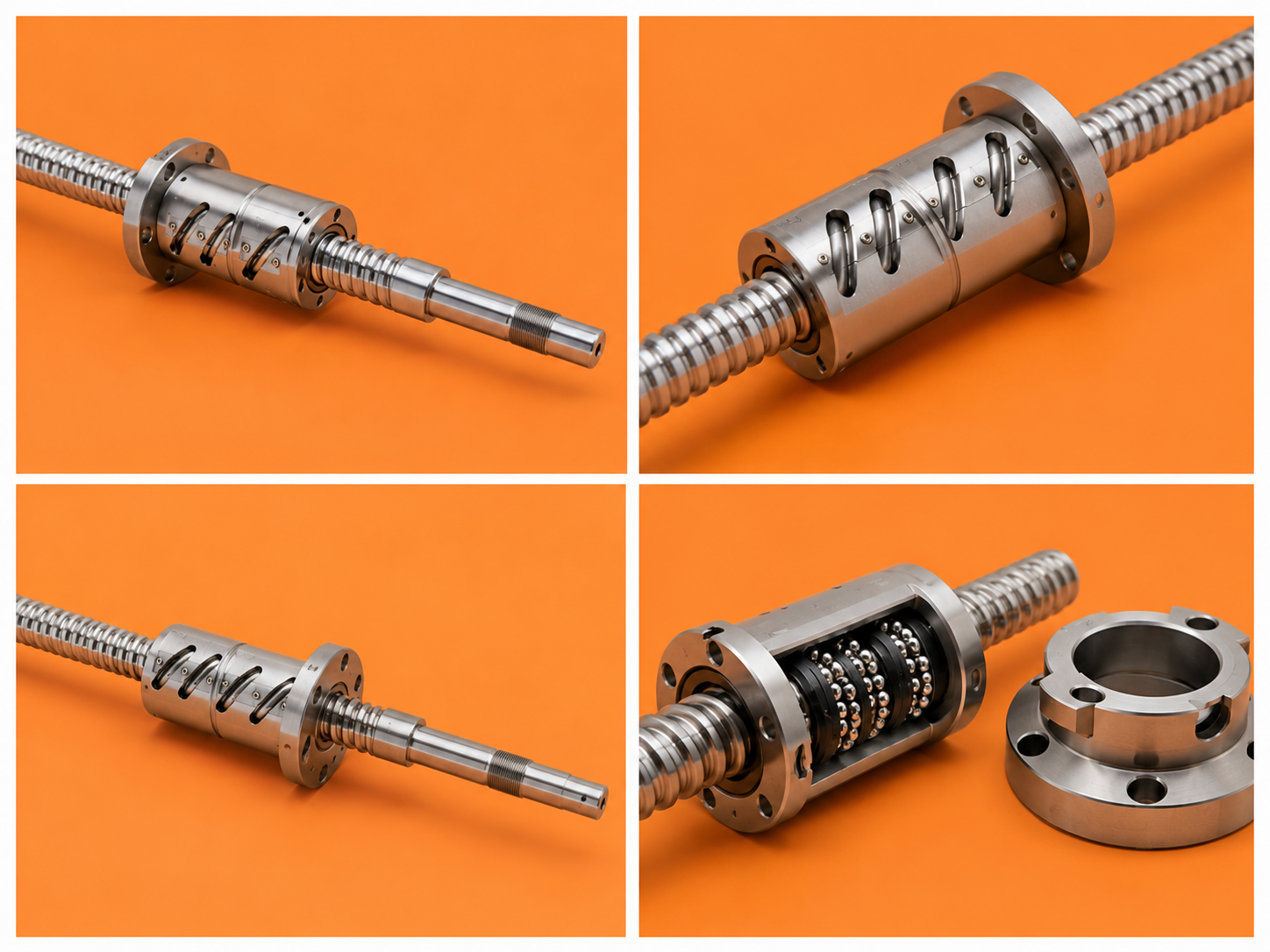 | PRECISION GROUND BALL SCREW We are Manufacturing of precision Ground ball screw with nut As per Customer View product → |
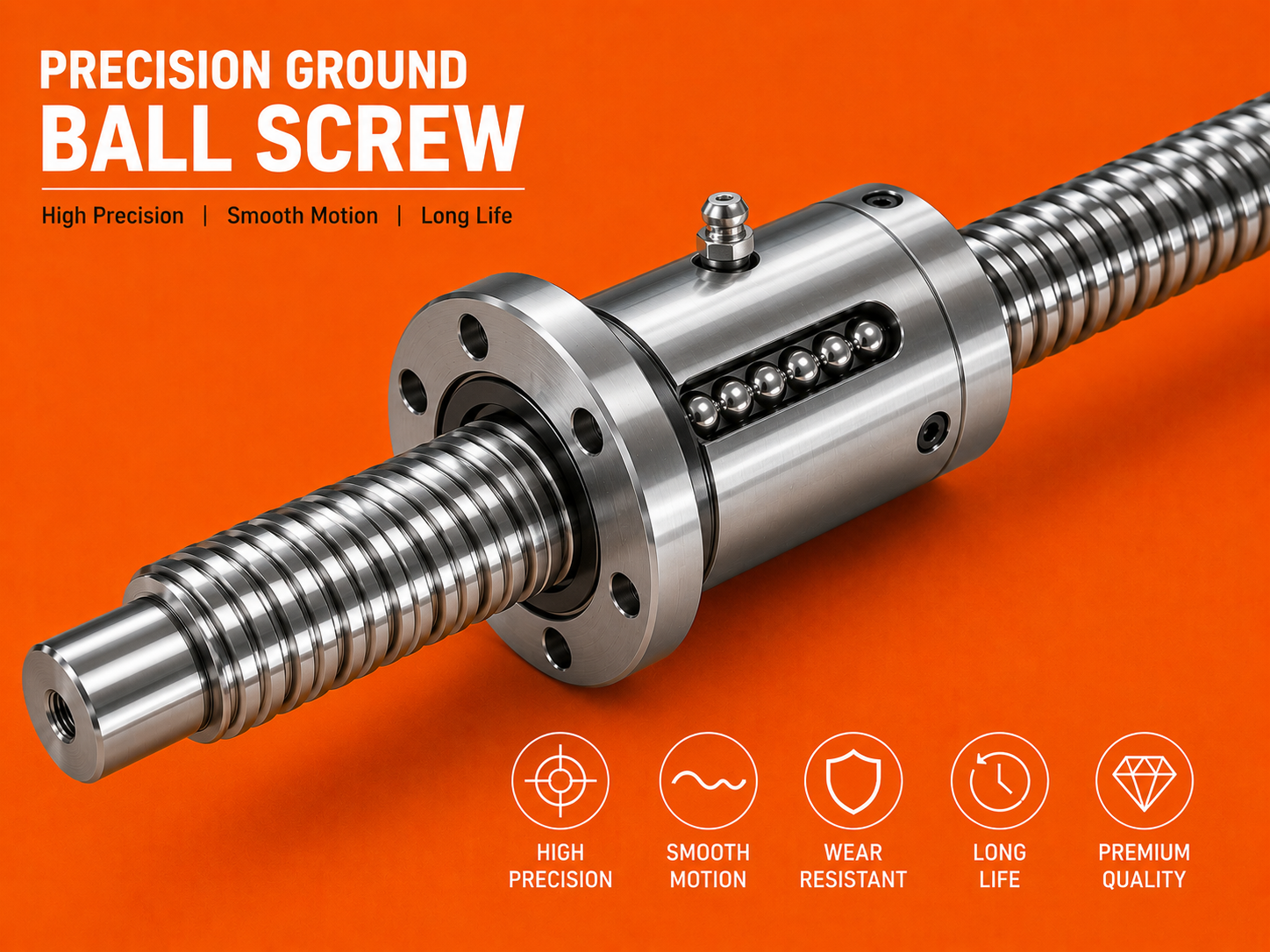 | Precision Ballscrews Balaji Engineering Works is a trusted manufacturer and supplier of Precision Ground Ball Screws in Pune, designed for applications that demand... View product → |
Frequently asked questions
How do you size a machine-tool ball screw?
Calculate from the worst axial load, maximum speed, duty cycle, required travel life, critical speed, buckling load, and available motor torque—not motor horsepower or the existing screw diameter.
What information belongs in a complete ball-screw specification?
State nominal diameter, lead, overall and effective length, travel, accuracy grade, shaft-end configuration, nut type, preload, mounting orientation, lubrication, operating speed, load, environment, and inspection requirements.
When should you choose a ground rather than rolled ball screw?
Choose a ground screw when contouring accuracy, low lead variation, and controlled positioning error justify the added cost. Choose a rolled screw when the application accepts lower lead accuracy and prioritises cost, availability, or long lengths.
What should you request from an industrial ball screw supplier near Rajkot?
Request a dimensioned drawing, load-life calculation, accuracy and runout data, preload or drag-torque information, material and heat-treatment details, inspection records, lubrication guidance, and packing and identification details.
Related products
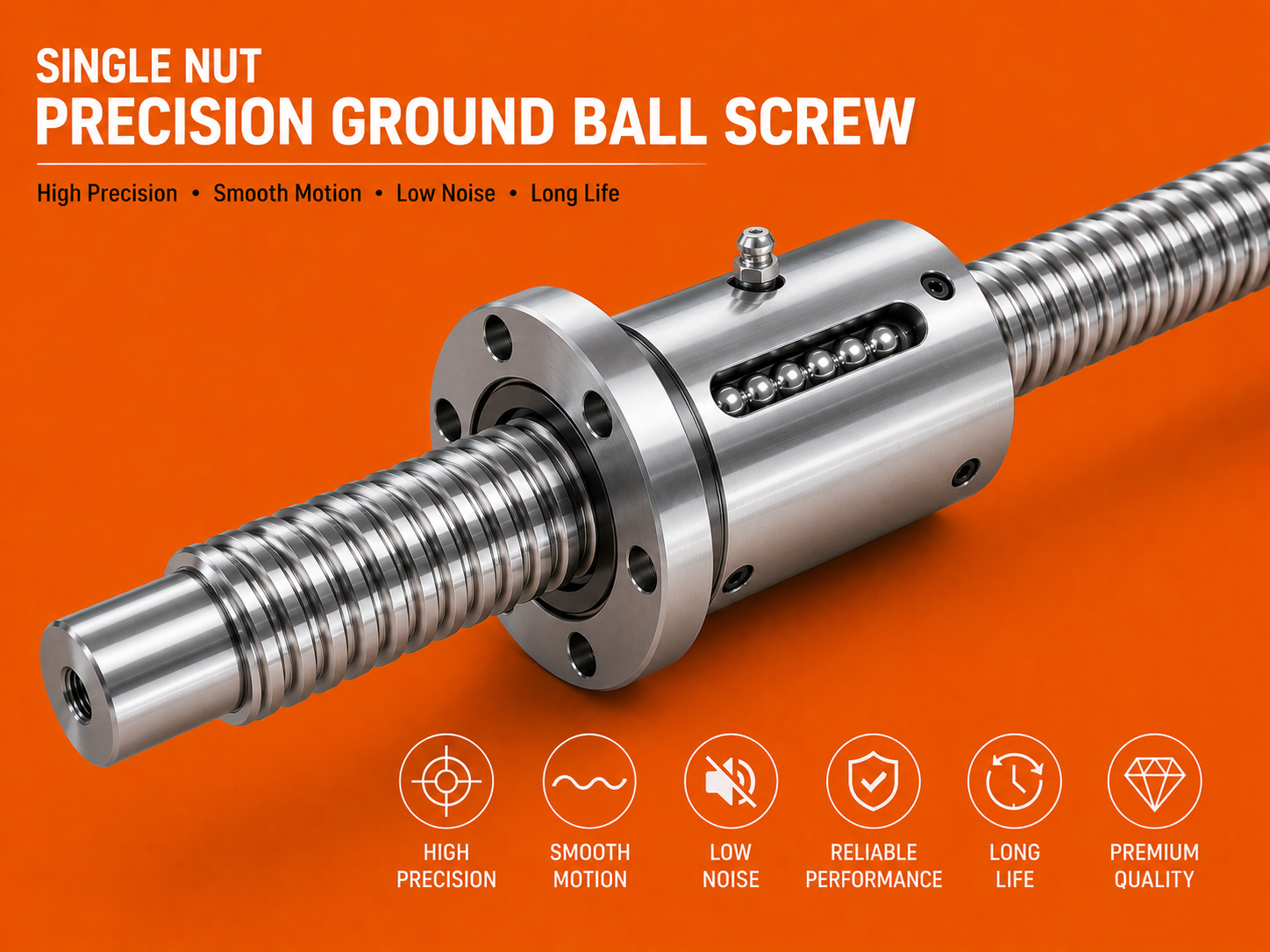 | Precision Ballscrews Single Nut Precision Ground Ball Screw Balaji Engineering Works offers high-precision Single Nut Precision Ground Ball Screws in Pune, engineered for applications requiring superior... View product → |
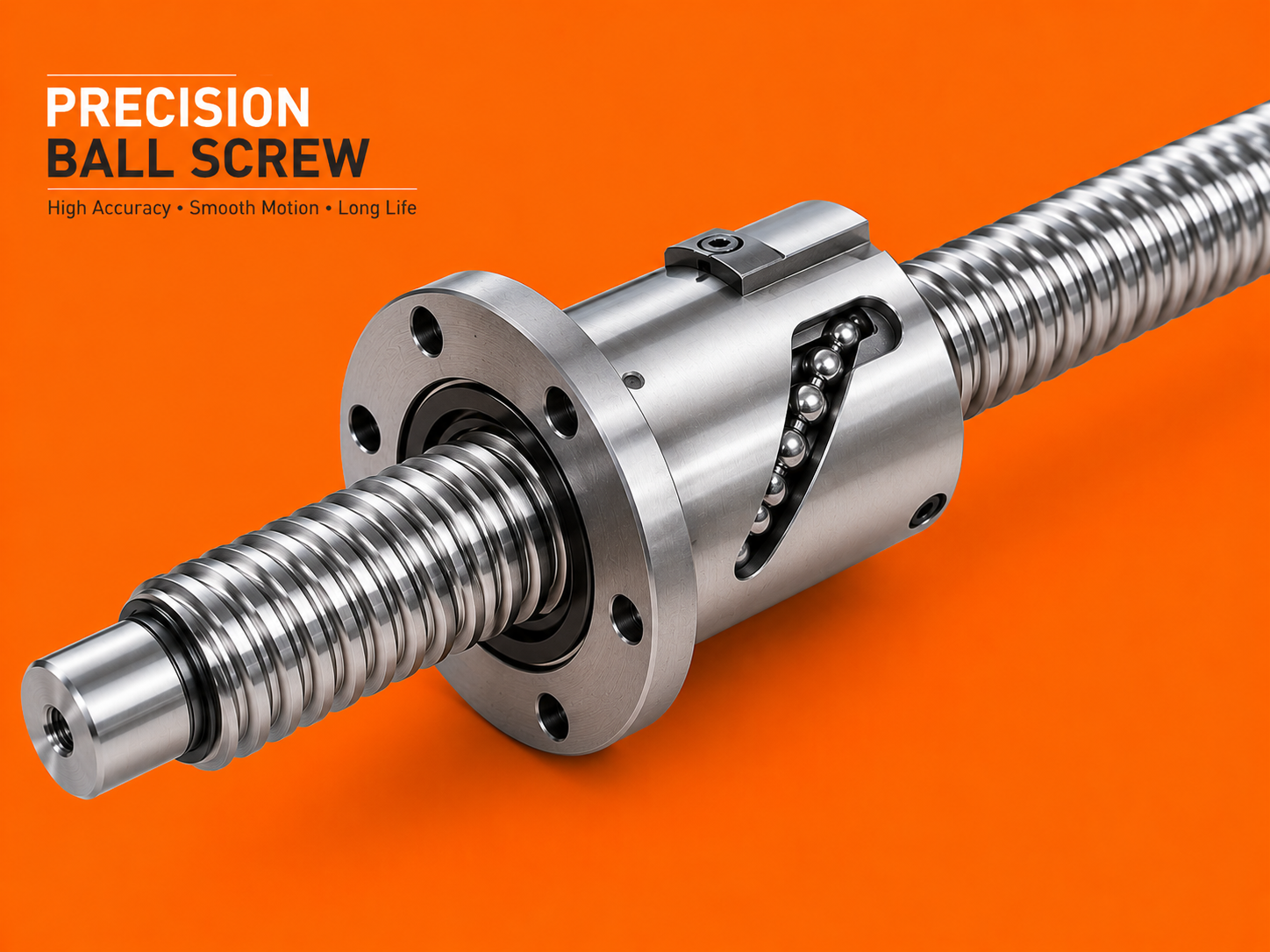 | Precision Ballscrews Balaji Engineering Works is a trusted manufacturer and supplier of Precision Ball Screws in Pune, designed for high-accuracy linear motion and... View product → |
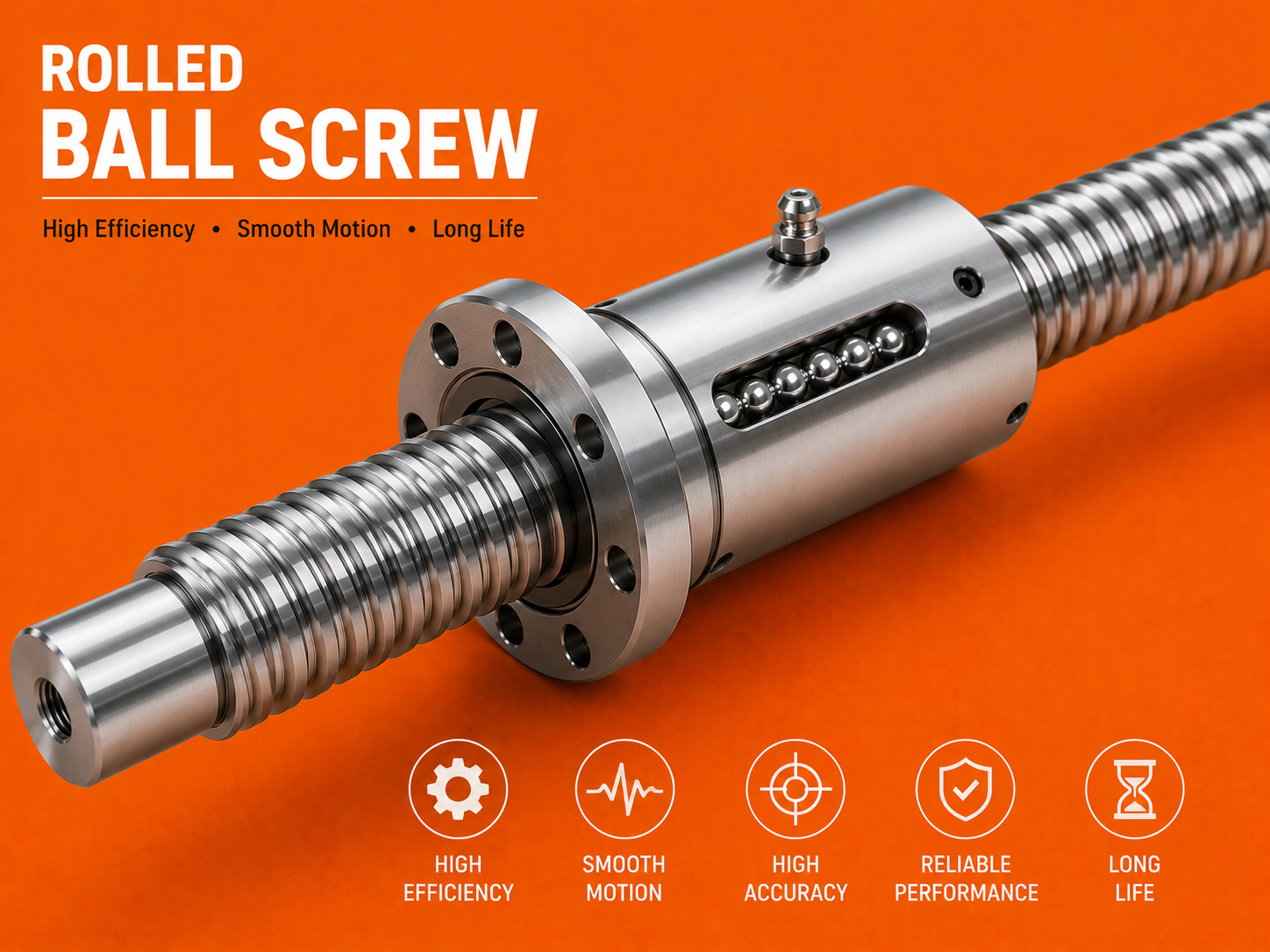 | Precision Ballscrews Balaji Engineering Works offers high-quality Rolled Ball Screws in Pune, designed for efficient linear motion with excellent performance and... View product → |
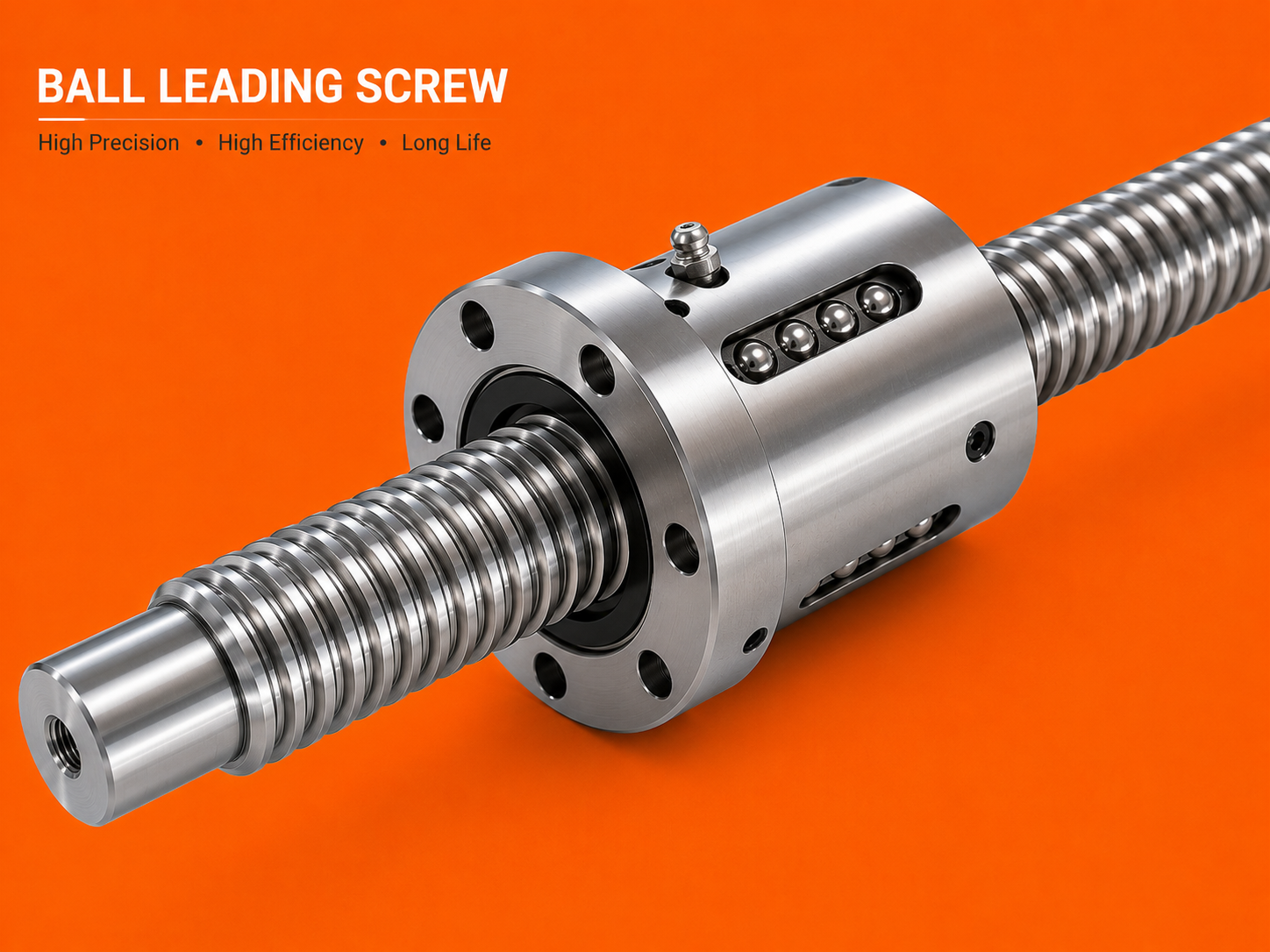 | Precision Ballscrews Balaji Engineering Works offers high-quality Ball Lead Screws in Pune, designed for precise and efficient conversion of rotary motion into linear... View product → |