
A precision-ground screw can lose positioning accuracy because the screw, supports, guideways, coupling, nut preload or installation surfaces are misaligned. By following a controlled installation and inspection sequence, you can separate a bent or damaged screw from support error, identify preload-related drag, and specify a replacement that matches the machine rather than relying on a generic fit.
Key takeaways
- Keep the preloaded nut on its shipping sleeve until screw insertion.
- Align supports, guideways and coupling before tightening mounting hardware.
- Measure straightness, runout and nut resistance before commissioning.
- Match replacement accuracy, preload and stiffness to the machine’s demands.
Prepare the screw and nut without losing balls or introducing debris
Keep the preloaded ball nut on its shipping sleeve until the screw is ready to enter it. Removing the nut from the screw can release balls or leave them unevenly distributed, causing rough torque and permanent raceway damage.
1. Inspect the screw, nut, sleeve, wipers and seals for impact marks. Keep the sleeve inserted whenever the nut is off the screw; use a correctly sized transfer sleeve for any move across a machined journal or during replacement.
2. Wash machining chips and abrasive dust from the screw threads, nut exterior, bearing journals and mounting faces with a lint-free cloth and approved solvent. Do not use compressed air near an open wiper, because it can drive debris into the raceways.
3. Cover the screw with clean protective paper or a sleeve during transport. Do not drag the threads across a bench, and do not rest the assembly on its machined journals or locating shoulders.
4. Check each journal and shoulder for burrs, dents and trapped dirt before installing the bearing blocks. A tilted bearing inner ring or a journal that is not concentric with the thread introduces runout that resembles a defective screw.
5. Mount the screw in the orientation shown on the assembly drawing, support the nut during insertion, and tighten fasteners only after the assembly seats without force.
For anyone investigating precision ground ball screw installation problems in pune, follow the specified lubricant grade and quantity; filling the nut completely can increase drag and contaminate the seals.
Align the fixed support, floating support, guideways and coupling
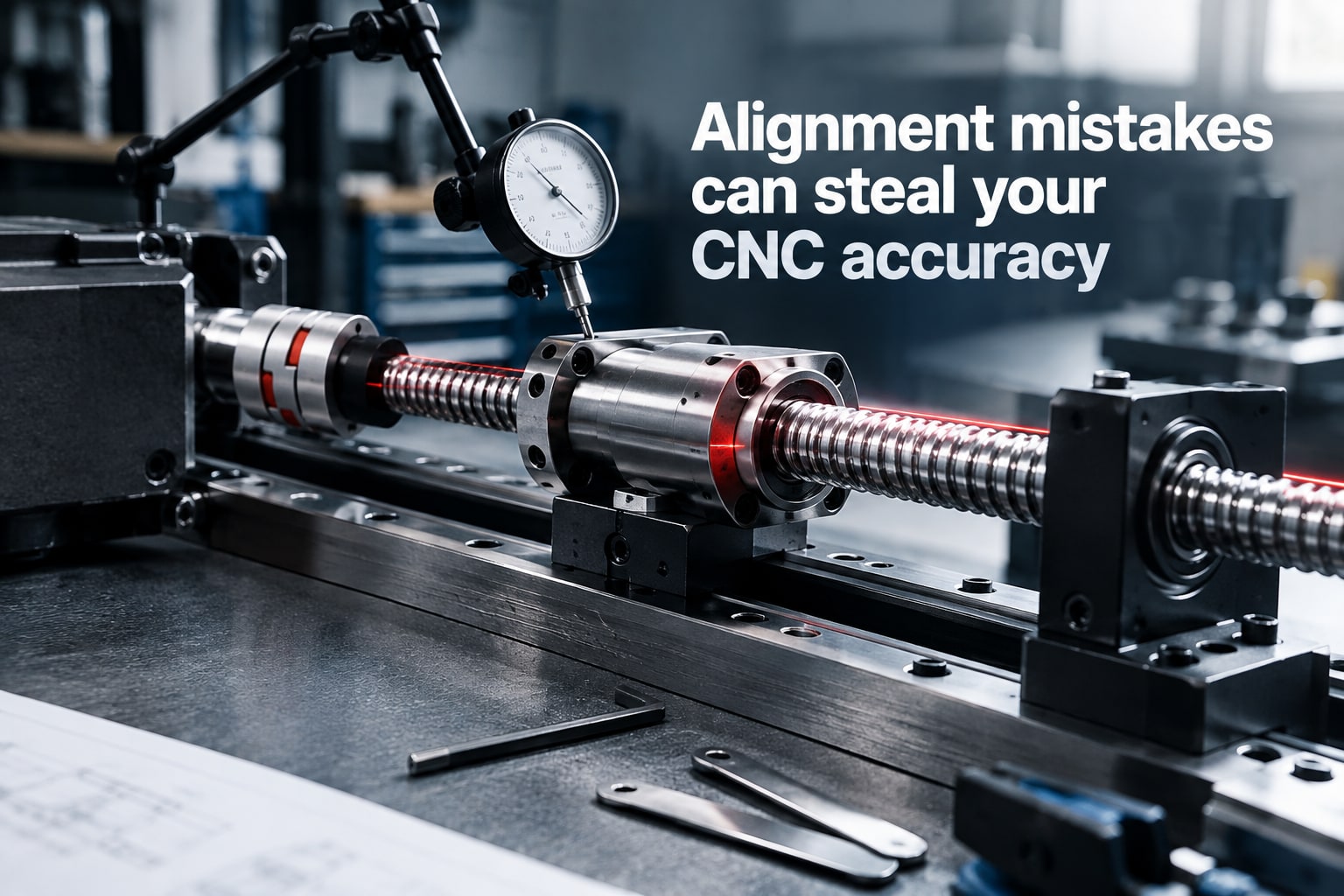
Guideway-to-screw parallelism error, angular bearing-seat error, and coupling eccentricity create industrial ball screw alignment problems. They force the nut to follow a bent or offset path, producing torque variation, heat, raceway wear, and lost repeatability even when the screw’s lead accuracy is correct.
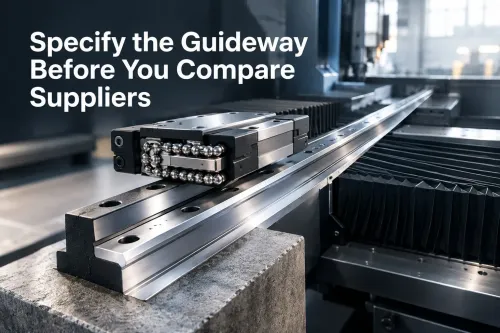
1. Establish the guideway and support mounting faces as your datums. Check that the fixed and floating bearing seats are clean, coplanar, and aligned with the guideway travel axis.
2. Mount the fixed-side bearing support and seat the screw without forcing the floating end into position. Allow the floating support to locate naturally so it can accommodate thermal growth.
3. Rotate the screw and indicate radial runout and axial end movement separately. Then move the nut through the full stroke and check resistance; free screw rotation alone can hide misalignment under travel.
| Error | What it causes | Correction |
|---|---|---|
| Guideway and screw not parallel | Changing nut drag and position error | Loosen the support or guideway fasteners, realign to the datum, and recheck travel resistance |
| Fixed and floating supports at different angles | Localized raceway load and heat | Shim or remachine the support seats, then indicate the screw again |
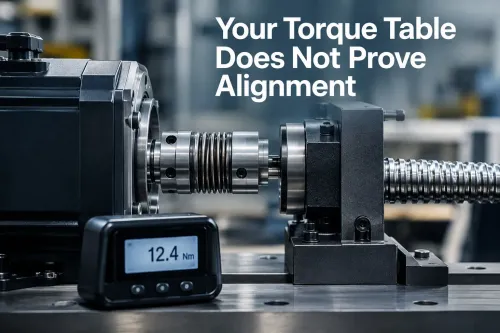
| Coupling eccentric or angular | Radial load on screw and motor bearings | Realign the shafts; replace the coupling if its permitted error is exceeded |
Fasten supports only after these checks pass. Install the coupling last, and use its flexibility for residual error—not to compensate for a misaligned support system.
Measure straightness, runout and nut resistance before commissioning
A repeatable runout pattern identifies the screw; a drag pattern that follows nut travel identifies the nut or alignment. Keep the coupling disconnected during these checks so it cannot mask the source.
1. Establish the guideway and support datums, then mount the fixed bearing block. Seat the floating support without forcing its bearing onto the journal. Clean each journal, shoulder and bearing seat; dirt under an inner ring can create false runout.
2. Put a dial indicator on the screw near the fixed bearing and rotate the screw slowly by hand. Record radial runout at the journal, near the nut, and near the floating end.
A bent screw produces a repeatable high spot whose runout changes along the length; a damaged journal or tilted support concentrates the error at one end.
3. Place the indicator against the screw end and push and pull axially. Excess end movement points to bearing seating, shoulder contact or support preload, not a bent thread. Recheck after loosening the floating support: if the reading changes, support alignment is contributing.
4. Move the nut through the complete stroke while measuring its position relative to the guideway. A smooth screw with resistance at one repeatable travel location indicates guideway-to-screw parallelism error or support misalignment. Resistance that follows the nut, including roughness with the screw isolated, indicates nut contamination, damaged balls or incorrect preload.
5. Rotate and travel again after final fastening. Do not use the coupling to correct misalignment; radial load from a forced coupling can create torque ripple and bearing damage. These checks expose precision ground ball screw installation problems in Pune before commissioning.
Separate preload drag from alignment drag and verify the preload
A preloaded nut that feels stiff throughout the stroke points to preload; a nut whose resistance rises and falls at repeatable positions points to alignment drag. Disconnect the coupling and measure turning torque with the screw clean, supports fully tightened, and the nut moved through the complete travel.
Excessive preload produces high, steady torque, servo overload, heat and thermal drift. Inadequate preload appears as measurable axial play, lost motion or poor reversal repeatability.
Use these checks to separate the causes:
- Compare torque at several nut positions and in both rotation directions. Periodic peaks indicate industrial ball screw alignment problems; a uniformly high reading indicates excessive preload.
- Measure axial displacement under a specified reversing load with a dial indicator. Excess movement indicates inadequate preload, but do not increase preload to hide guideway or support misalignment.
- Record temperature and torque after a controlled run. Rising temperature confirms excessive friction, not a correct preload setting.
Confirm the nut marking, nominal diameter, lead, handedness, accuracy grade, preload code and ball-circuit specification against the screw drawing and inspection report. A matching diameter alone does not prove compatibility. Check axial clearance or preload with the supplier’s specified method; never guess it from hand rotation.
Do not remove a preloaded nut from its screw without the correct transfer sleeve. Finally, retest after tightening nut-flange and bearing-housing bolts to the specified torque, because distortion can create drag that was absent during loose-fit checks.
Specify a replacement that matches the accuracy and stiffness you need
A single nut is lighter and easier to fit, but its lower stiffness and greater sensitivity to clearance can reduce positioning consistency under changing cutting loads. A double nut adds preload and stiffness, at the cost of more friction, heat, length and price.
| Option | Compare | Choose it when |
|---|---|---|
| Single-nut ground | Accuracy grade, preload, axial clearance and running torque | Loads are moderate and space or torque is limited |
| Double-nut ground | Preload value, stiffness, heat rise and nut length | Lost motion and cutting-force deflection must be tightly controlled |
| Rolled screw | Lead accuracy, straightness, surface finish and inspection report | Cost and delivery matter more than fine positioning accuracy |
| Ground screw | Lead-accuracy class, runout, material, heat treatment and serialised inspection | CNC interpolation, high repeatability or thermal stability matters |
Do not accept “as per customer” as a complete specification. Ask a ball screw manufacturer in Pune to quote the nominal diameter, lead, accuracy class, preload or axial-clearance value, end-machining drawing, runout measurement method and serial-numbered inspection report.
Balaji Engineering Works can use the phrase “as per customer” only after those customer-controlled details are fixed. A precision ballscrew manufacturer in Pune should also state whether the quoted preload is factory-set and warn you not to remove a preloaded nut without the specified transfer sleeve.
A high-preload replacement fitted to misaligned supports will create drag, heat and servo overload rather than restore accuracy.
Related products
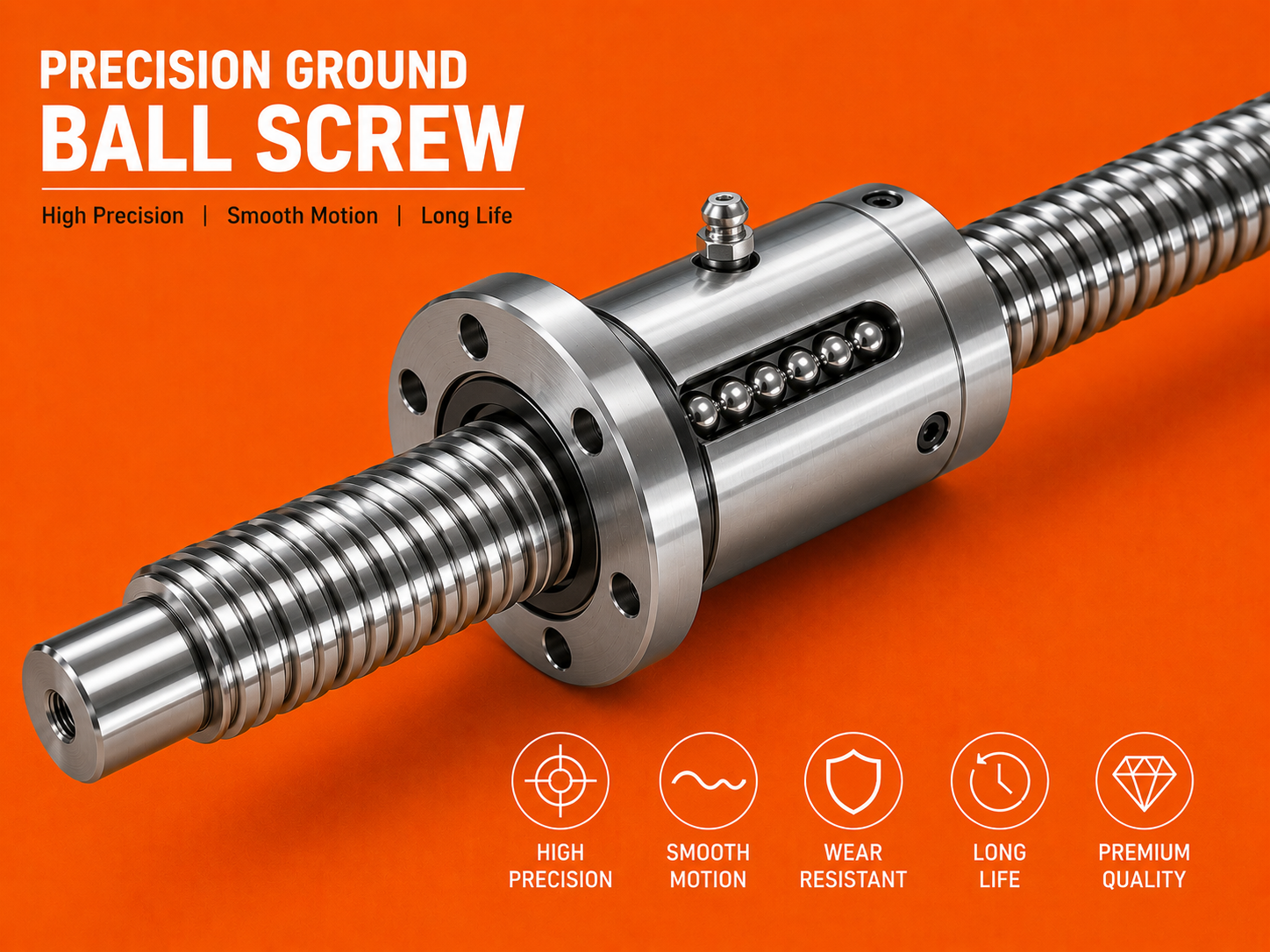 | Precision Ballscrews Balaji Engineering Works is a trusted manufacturer and supplier of Precision Ground Ball Screws in Pune, designed for applications that demand... View product → |
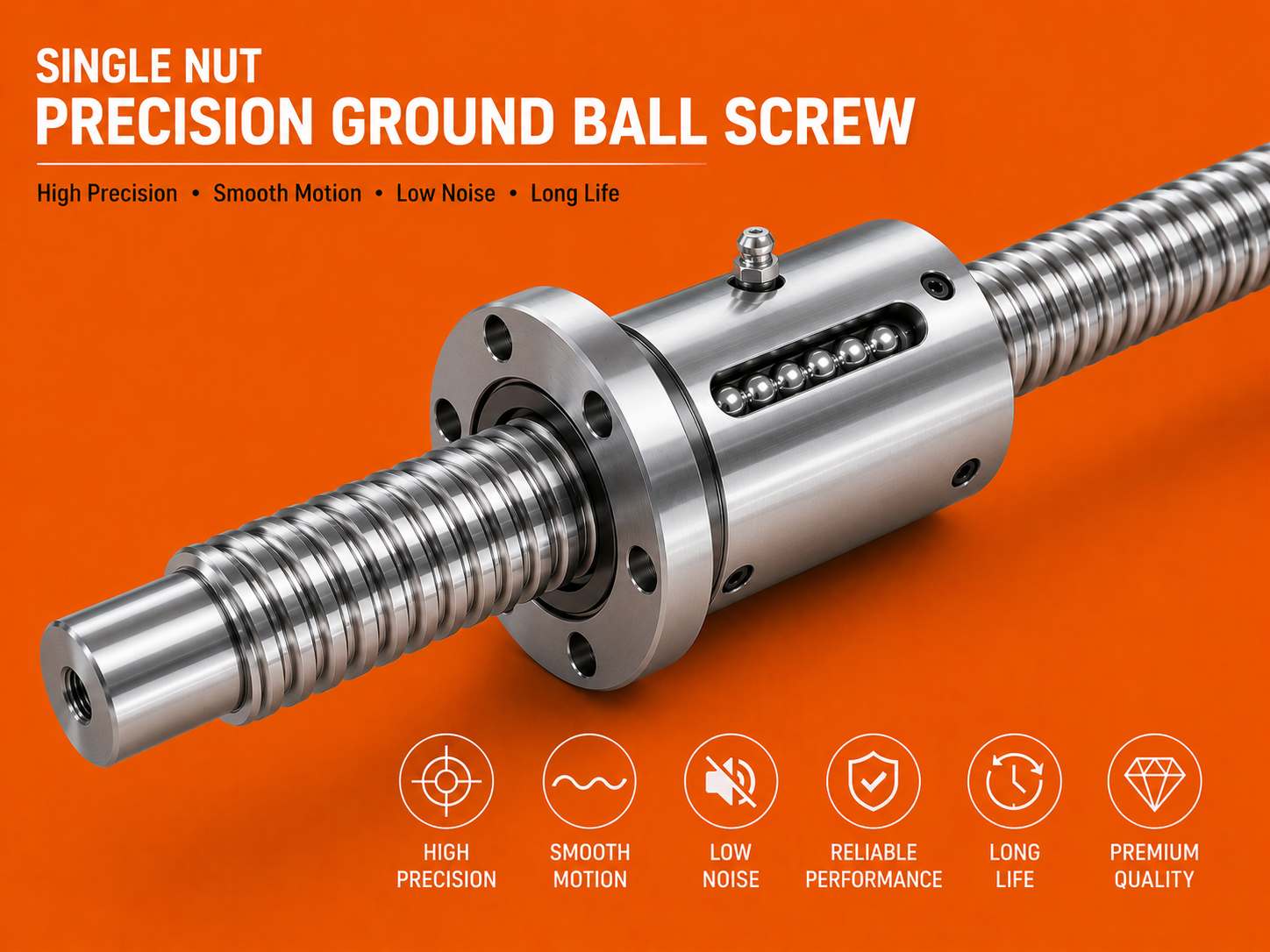 | Precision Ballscrews Single Nut Precision Ground Ball Screw Balaji Engineering Works offers high-precision Single Nut Precision Ground Ball Screws in Pune, engineered for applications requiring superior... View product → |
Frequently asked questions
How do you prevent ball loss during ball screw installation?
Keep the preloaded nut on its shipping sleeve until the screw is ready to enter it, and protect all raceways from debris.
What causes industrial ball screw alignment problems?
Misalignment between the fixed support, floating support, guideways and coupling creates uneven resistance, runout and accuracy loss.
How can you distinguish preload drag from alignment drag?
Measure nut resistance before and after alignment checks; preload creates consistent resistance, while alignment drag changes as supports and guideways are corrected.
What should you check before replacing a precision ground ball screw?
Match the screw’s accuracy grade, preload, load capacity, stiffness, lead, diameter and support configuration to the machine.
Related products
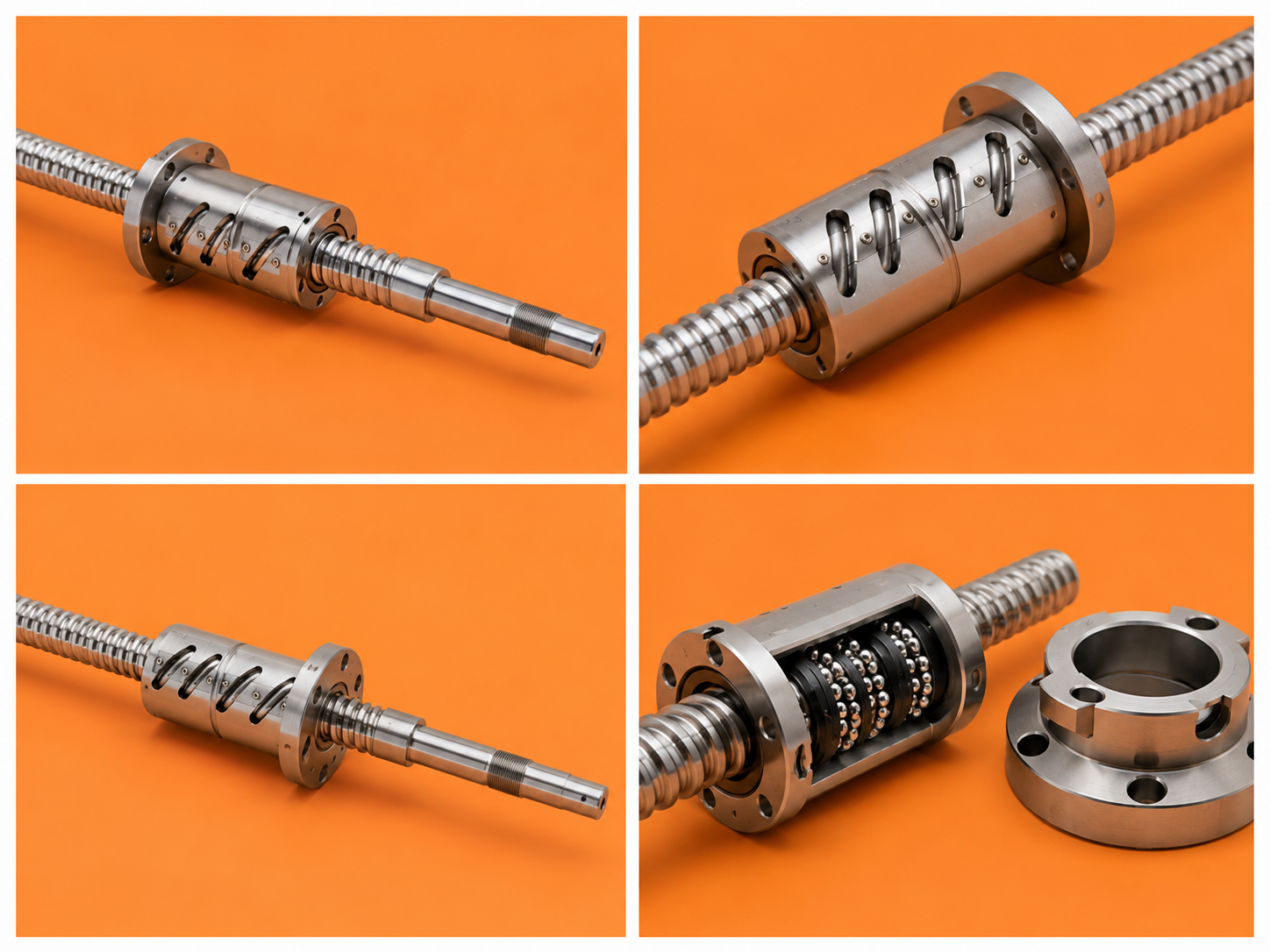 | PRECISION GROUND BALL SCREW We are Manufacturing of precision Ground ball screw with nut As per Customer View product → |
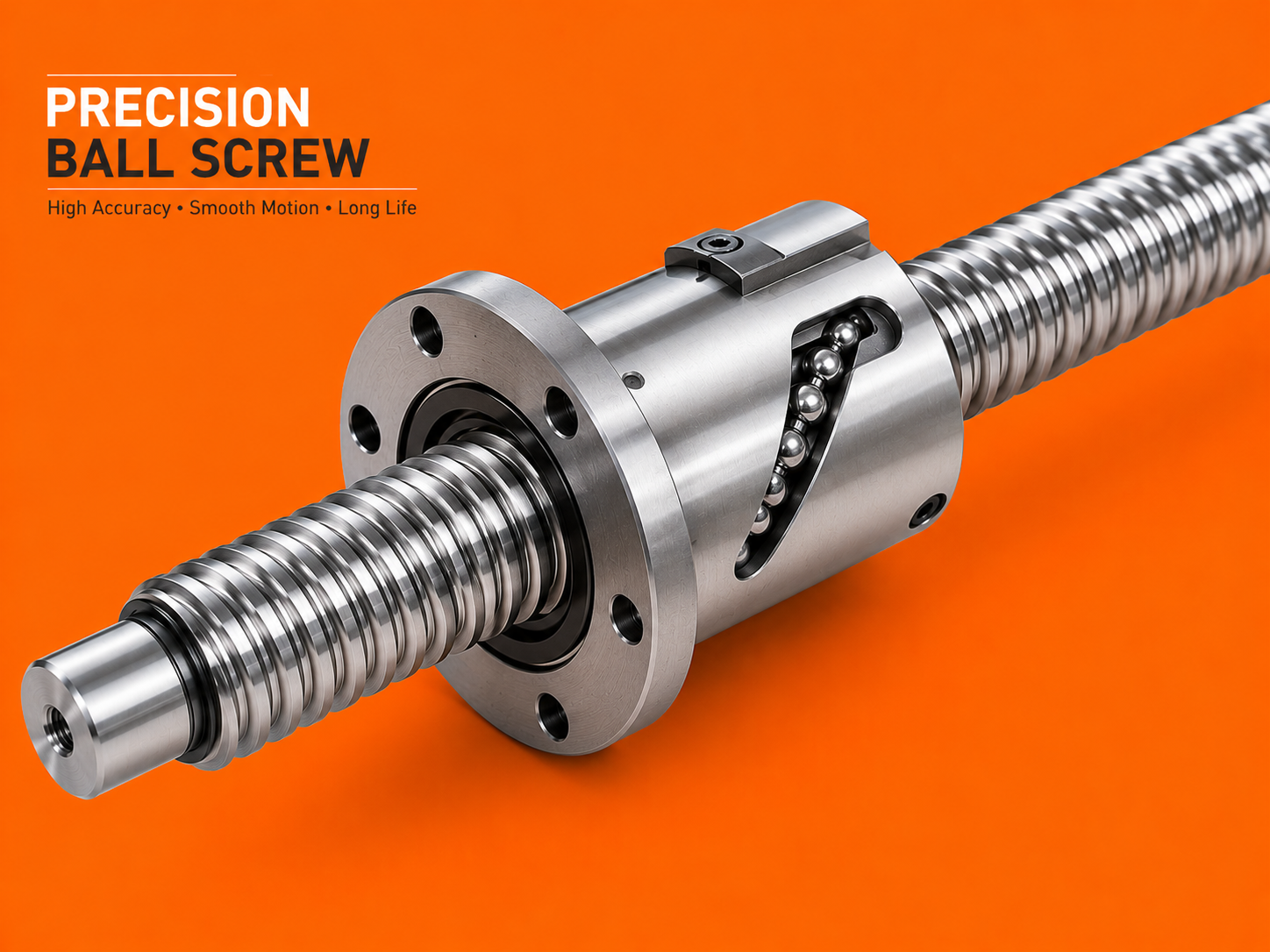 | Precision Ballscrews Balaji Engineering Works is a trusted manufacturer and supplier of Precision Ball Screws in Pune, designed for high-accuracy linear motion and... View product → |
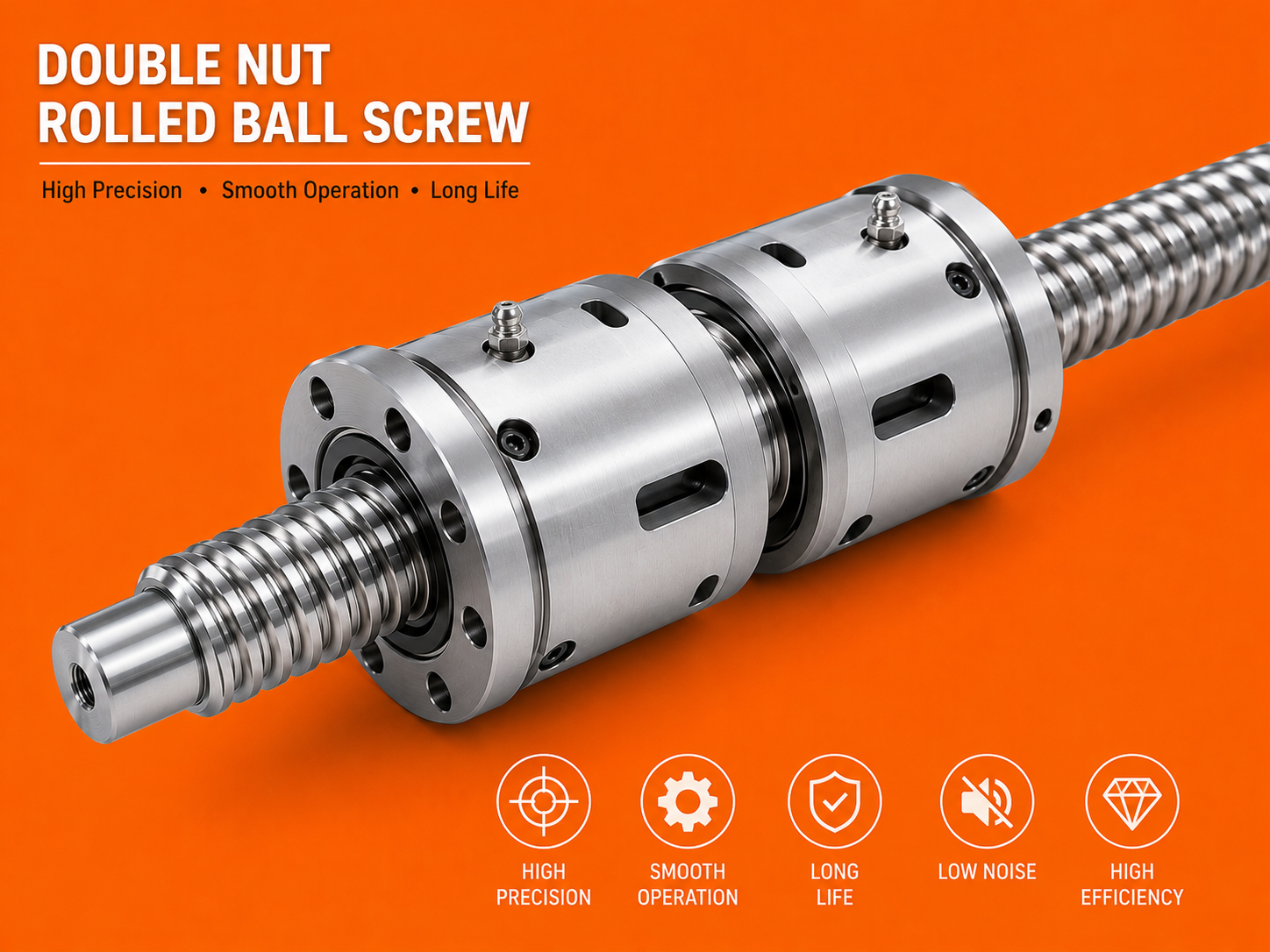 | Precision Ballscrews Balaji Engineering Works offers high-performance Double Nut Rolled Ball Screws in Pune, designed for applications requiring reduced backlash,... View product → |