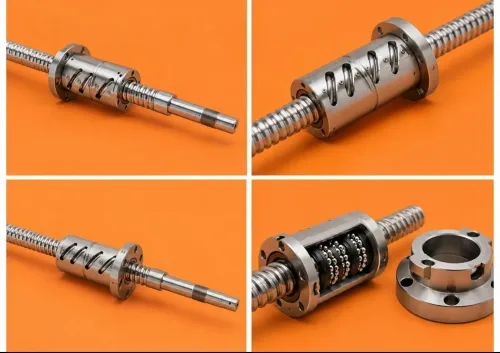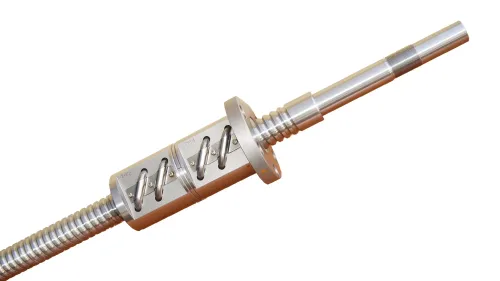

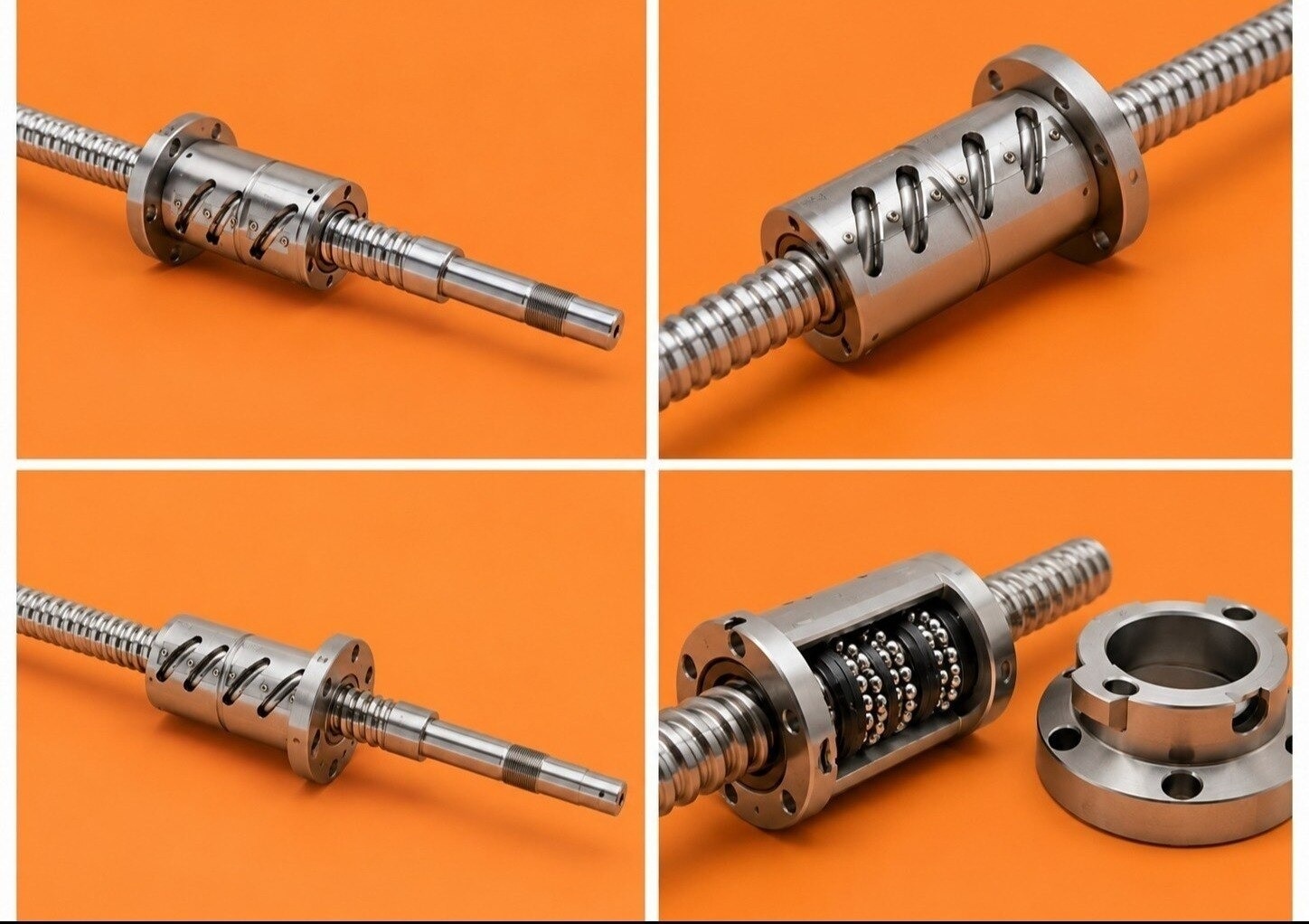
A ground screw is not automatically the right screw, and a rolled screw is not automatically inaccurate. Compare the declared lead error, repeatability, preload, thermal behaviour, speed limits, and installed cost against your machine’s error budget, then specify the complete screw-and-nut assembly with an acceptance test.
Key takeaways
- Choose ground screws for demanding positioning accuracy and repeatability.
- Choose rolled screws when cost, speed, and moderate accuracy matter more.
- Specify lead accuracy, preload, load life, and runout—not only screw type.
- Compare installation, inspection, replacement, and local support costs.
What the manufacturing process changes in real machine performance
Grinding and rolling change how an OEM axis behaves because grinding finishes a hardened thread, while rolling forms the thread through plastic deformation before or around heat treatment. The ground ball screw versus rolled ball screw decision therefore affects geometry, not just the catalogue label.
| Characteristic | Ground ball screw | Rolled ball screw |
|---|---|---|
| Lead accuracy and variation | Usually tighter control and a smoother lead-error profile | Depends more on forming, tooling, and batch control |
| Repeatability and backlash | Better geometry supports repeatability; preload controls backlash | Can achieve strong repeatability; backlash depends on nut fit and preload |
| Surface finish and noise | Smoother raceways usually reduce vibration and running noise | Good production control gives quiet running, but variation is more likely |
| Efficiency and rigidity | Smooth contact supports efficiency; stiffness still depends on diameter, bearings, and preload | Comparable efficiency and rigidity at equivalent design values, not automatically lower |
| Service life and contamination tolerance | Smooth geometry reduces local loading; contamination still damages both types | Work-hardened surfaces can be durable, but neither screw is contamination-proof |
| Cost and availability | Slower finishing process, so higher cost and longer production effort | Faster to produce and generally less expensive |
Grinding does not guarantee accuracy. A precision rolled screw can outperform a poorly specified ground screw, so compare the supplier’s measured lead-error chart over your useful travel and its declared ISO 3408 accuracy class. Request the actual serial-numbered screw-and-nut inspection report; a catalogue claim alone cannot establish lead variation, repeatability, or running performance.
How to specify accuracy instead of buying a marketing label
Request an ISO 3408 accuracy class, permissible lead error over the stated useful travel, and the lead-variation plot. Also require axial and radial runout, preload or running-torque results, and the applicable ISO 3408-3 acceptance and measurement method, including measurement length and standard edition.
| Specification | What it tells you | Do not confuse it with |
|---|---|---|
| ISO 3408 accuracy class and lead error | Position error along the screw’s useful travel | Bidirectional repeatability |
| Lead-variation plot | Local changes in lead that affect commanded position | Backlash or servo compensation |
| Axial and radial runout | Shaft geometry and rotation quality | Guideway straightness or bearing alignment |
| Preload or running torque | Nut friction, preload condition, and assembly consistency | Thermal drift |
| Encoder location and machine data | Where final positioning error enters the system | Screw accuracy alone |
A precision ground ball screw comparison in Pune is valid only against the complete error budget. Encoder location, guideway straightness, bearing-seat alignment, nut mounting, foundation stiffness, and servo tuning can dominate the final error; a higher class cannot correct those faults.
Request the production inspection report for the serial-numbered screw-and-nut assembly, not a catalogue claim. Compare its plots and results with your commanded-position error, repeatability, backlash, thermal drift, and planned software compensation, then accept the assembly only when the combined budget meets the machine target.
How lead, preload, and load calculations change the machine design
Choose the lead from required speed and motor torque, then choose the nut arrangement from the error budget and stiffness target. Linear speed in mm/min equals lead in mm/rev multiplied by screw rpm.
| Option | Advantage | Design penalty |
|---|---|---|
| Larger lead | Reaches speed at lower rpm | Reduces mechanical advantage and thrust per motor torque |
| Smaller lead | Improves commanded resolution and thrust | Raises rpm, heat, and risk of self-locking or poor backdrivability |
| Single nut | Lower friction, heat, space, and cost | Allows more backlash and lower stiffness |
| Preloaded double nut | Reduces backlash and increases stiffness | Raises friction torque, heat, alignment sensitivity, and motor demand |
Use a single nut when the error budget and load allow it. Specify a preloaded double nut when stiffness and near-zero backlash outweigh the added space, heat, adjustment, and service costs.
For predominantly axial loading, estimate torque with T approximately equals F times lead divided by 2π times efficiency. Do not substitute the nominal static load rating for life: L10 approximately equals (C/F)³ million revolutions, before shock, preload, contamination, lubrication, and reversing duty reduce real life.
Check each design for:
- Axial load, acceleration force, duty cycle, and motor peak torque
- Critical speed and shaft buckling
- Preload running torque, heat generation, lubrication, and alignment
- Required stiffness, backlash, backdrivability, and service access
A larger lead may solve speed without extreme rpm, while a smaller lead may overload the motor through friction and heat. Size the complete screw-and-nut assembly, not the screw shaft alone.
Which screw fits each OEM machine axis
Choose a ground screw for interpolated CNC axes, semiconductor and inspection stages, metrology, precision grinding, and any axis with tight positioning requirements after checking the complete machine error budget. Choose a rolled screw where repeatability and cost matter more than the tightest lead accuracy.
| Axis type | Preferred screw | Decision reason |
|---|---|---|
| Interpolated CNC, metrology, inspection, semiconductor, precision grinding | Ground | Tighter lead control supports coordinated motion and absolute positioning |
| Conveyors, presses, packaging, transfer, material handling, injection moulding | Rolled | Lower cost and adequate repeatability suit less demanding positioning |
| Positioning equipment with feedback and compensation | Rolled or ground | Encoders, compensation, and rigid machine structure can make a rolled screw adequate |
Repeatability is not absolute positioning accuracy: a machine can return consistently to the wrong coordinate. Feedback, compensation tables, guideway accuracy, bearing alignment, and structural stiffness can reduce the practical difference between screw types.
Specify these items in the OEM purchase document:
- Nominal diameter, lead, useful travel, maximum speed, acceleration, axial load, duty cycle, and orientation
- Fixed-supported, fixed-fixed, fixed-free, or other end arrangement; critical-speed margin and buckling load
- Lubrication, seals, contamination level, temperature range, and thermal-management requirements
Steel expands approximately 11–12 micrometres per metre per °C. A 1 m screw rising 10 °C grows about 0.11–0.12 mm, so use cooling, warm-up cycles, or thermal compensation when growth exceeds the error budget.
How to compare suppliers, installed cost, and local OEM support
A ball screw manufacturer for OEM machines in Pune should separate local manufacture from local stocking, assembly, or end machining. Ask where grinding or rolling occurs, where heat treatment is performed, how lead error is mapped, whether nut preload is measured, and whether serial-number traceability and replacement-nut matching are available.
| Option | Cost and evidence to compare | Main risk |
|---|---|---|
| Ground screw | Higher screw price; tighter measured lead control; request the serial-numbered lead plot and preload result | Paying for “ground” without a declared ISO 3408 class |
| Rolled screw | Lower purchase price; compare lead variation, compensation work, commissioning time, and replacement supply | Savings disappear when software compensation or selective assembly is needed |
Put these items in the RFQ:
- Screw and nut price, end machining, support bearings, seals, lubrication equipment, cooling, inspection, lead time, software compensation, commissioning, replacement availability, and warranty handling.
- A controlled drawing for bearing-seat diameters and fits, shoulder squareness, thread reliefs, keyways, locknut threads, total indicated runout, datum relationships, and nut travel relative to the bearing seat.
- Production records for the actual serial-numbered assembly, including lead-error and lead-variation plots, axial and radial runout, preload or running torque, and the ISO 3408-3 measurement method.
Assess Balaji Engineering Works against this same evidence-based RFQ, not solely against the words ground or rolled. A ball screw manufacturer ground or rolled screw in Pune earns preference by proving fit, measured performance, traceability, and support.
Related products
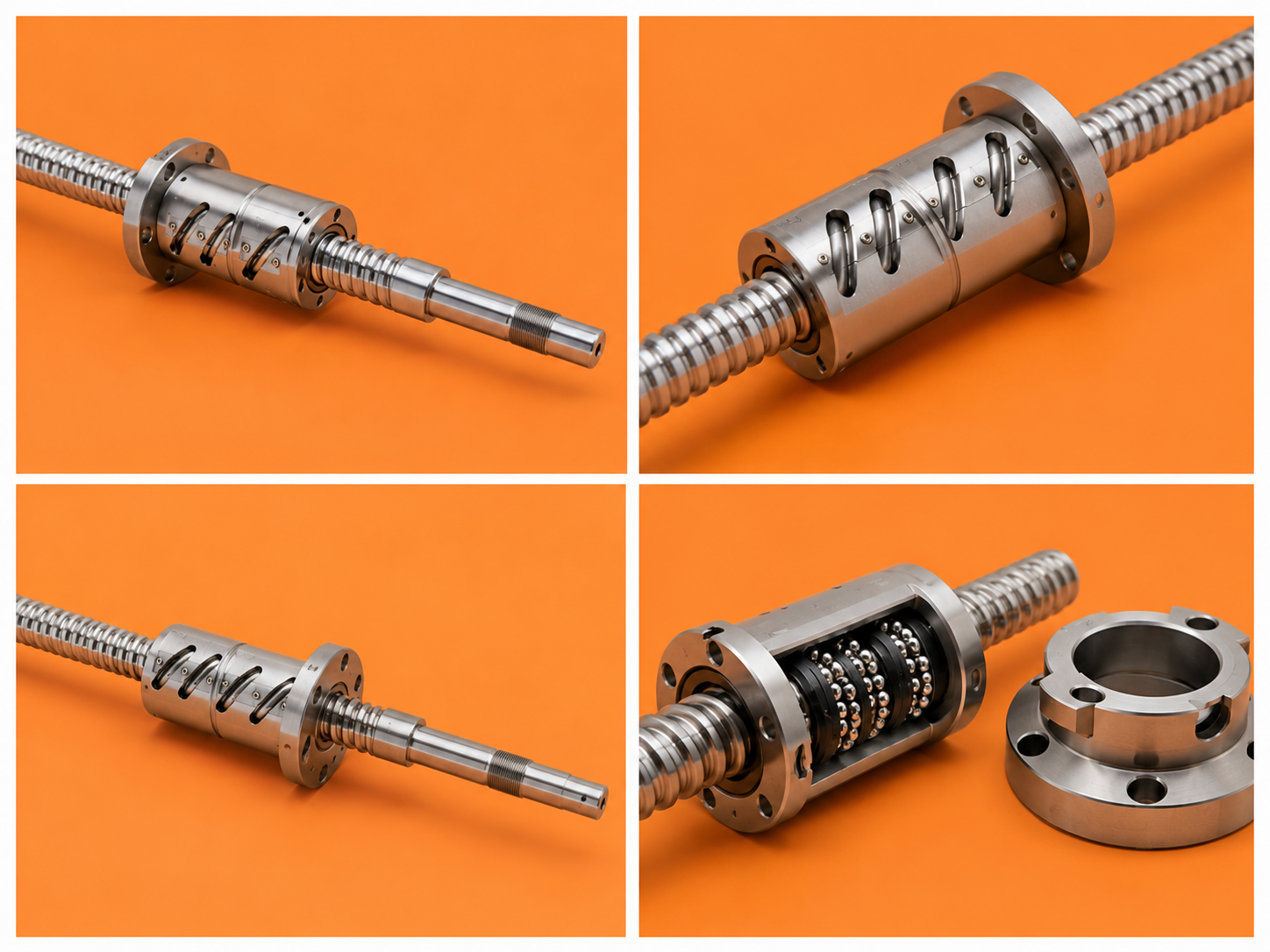 | PRECISION GROUND BALL SCREW We are Manufacturing of precision Ground ball screw with nut As per Customer View product → |
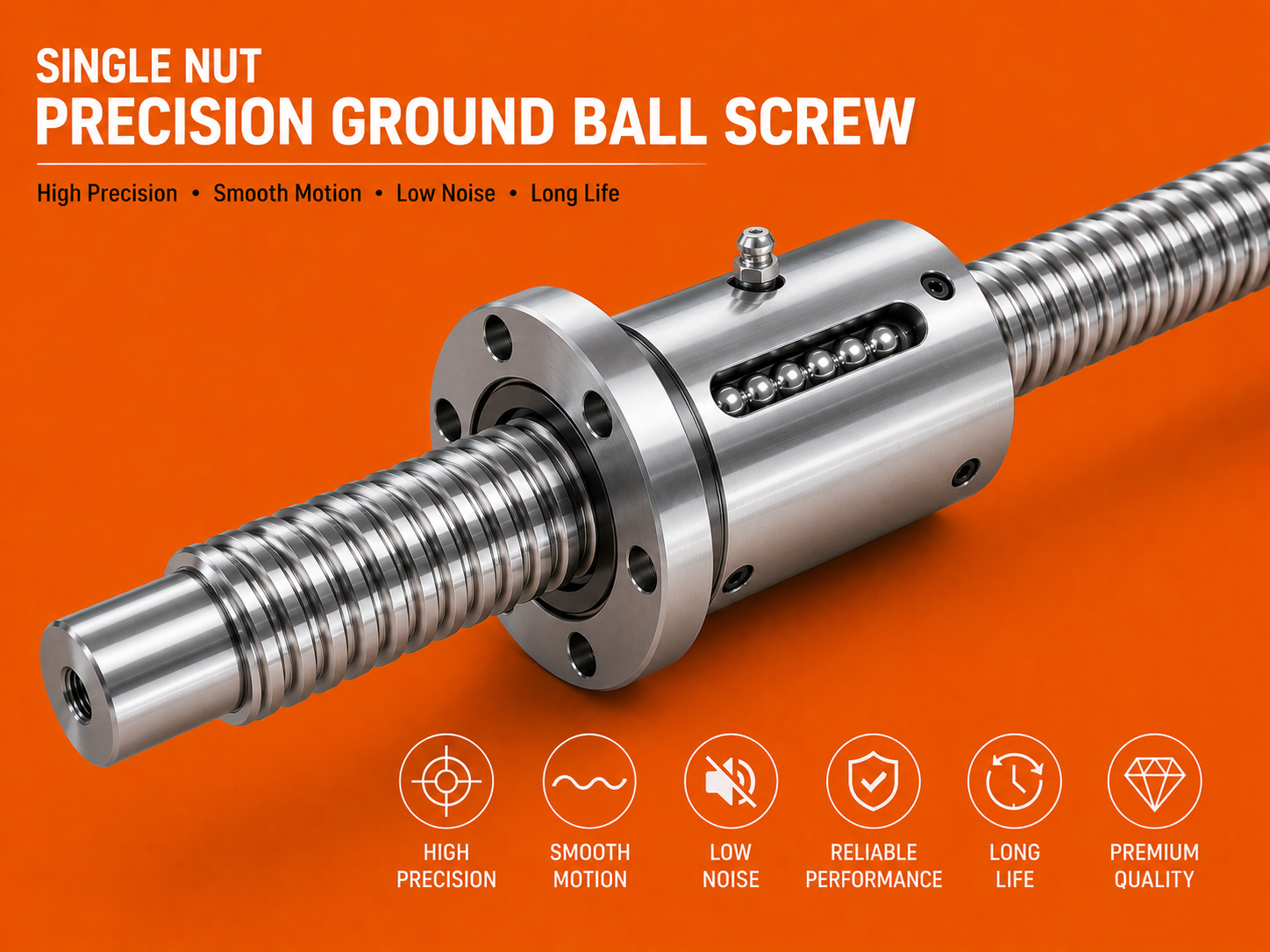 | Precision Ballscrews Single Nut Precision Ground Ball Screw Balaji Engineering Works offers high-precision Single Nut Precision Ground Ball Screws in Pune, engineered for applications requiring superior... View product → |
Frequently asked questions
What changes in machine performance between ground and rolled ball screws?
Grinding finishes a hardened thread for tighter geometry and accuracy. Rolling forms the thread through plastic deformation, offering efficient production with accuracy suited to less demanding axes.
How should you specify ball-screw accuracy instead of relying on labels?
State lead accuracy, repeatability, preload, runout, straightness, critical speed, and inspection documents. Ask the supplier to identify the applicable accuracy grade and measurement method.
How do lead, preload, and load calculations affect OEM axis design?
Lead sets travel per motor revolution and influences speed, torque, and resolution. Preload reduces backlash but raises friction and heat. Load calculations determine screw diameter, life, support bearings, and motor sizing.
Which OEM machine axes suit ground or rolled ball screws?
Use ground screws for high-accuracy positioning, interpolation, and demanding inspection or machining axes. Use rolled screws for transfer, handling, and general automation axes when their accuracy and life ratings meet the duty.
What should you compare when choosing a ball-screw supplier in Pune?
Compare documented accuracy, preload control, inspection records, lead times, installation guidance, replacement availability, and response to alignment or failure issues—not catalogue price alone.
Related products
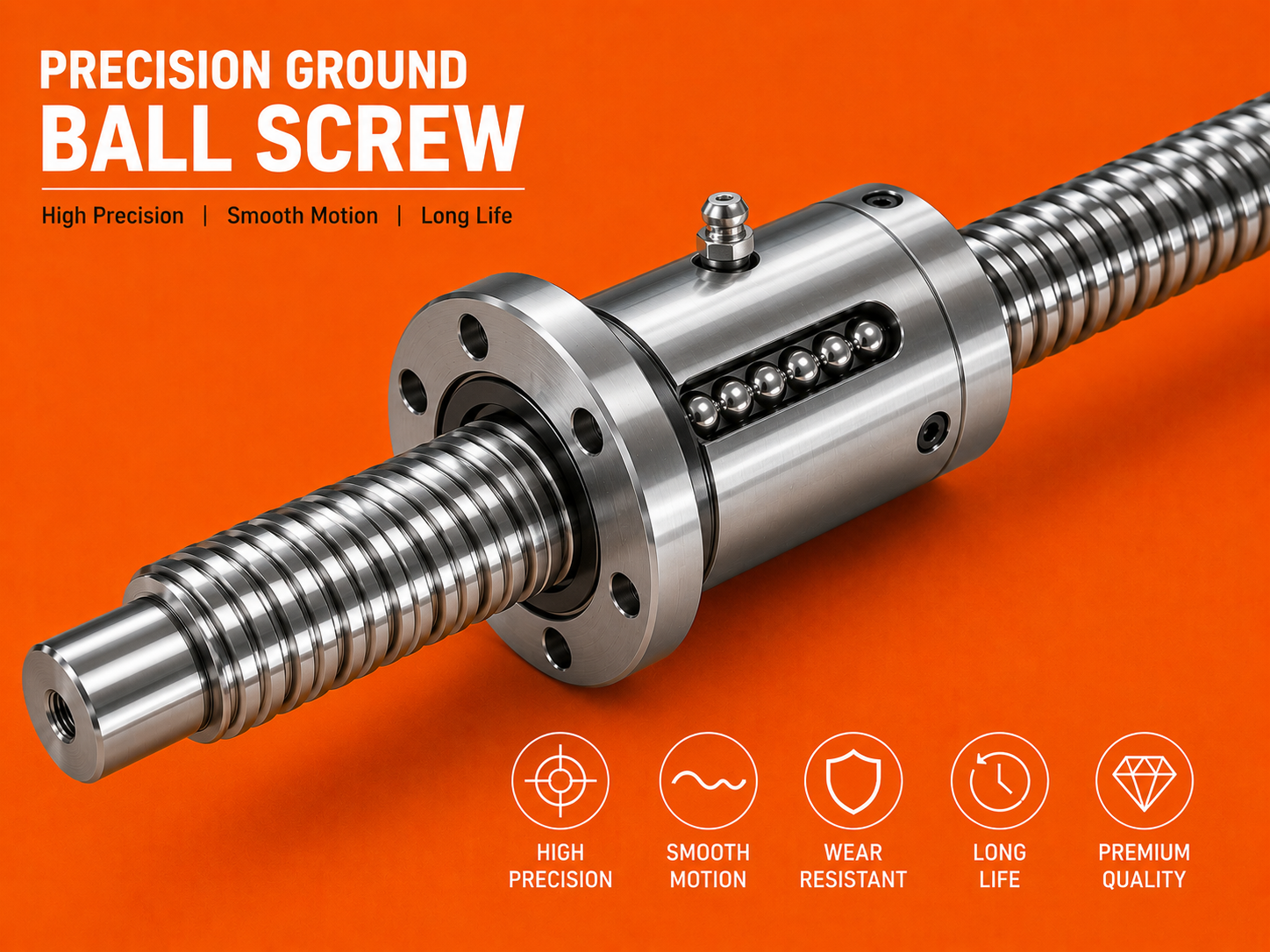 | Precision Ballscrews Balaji Engineering Works is a trusted manufacturer and supplier of Precision Ground Ball Screws in Pune, designed for applications that demand... View product → |
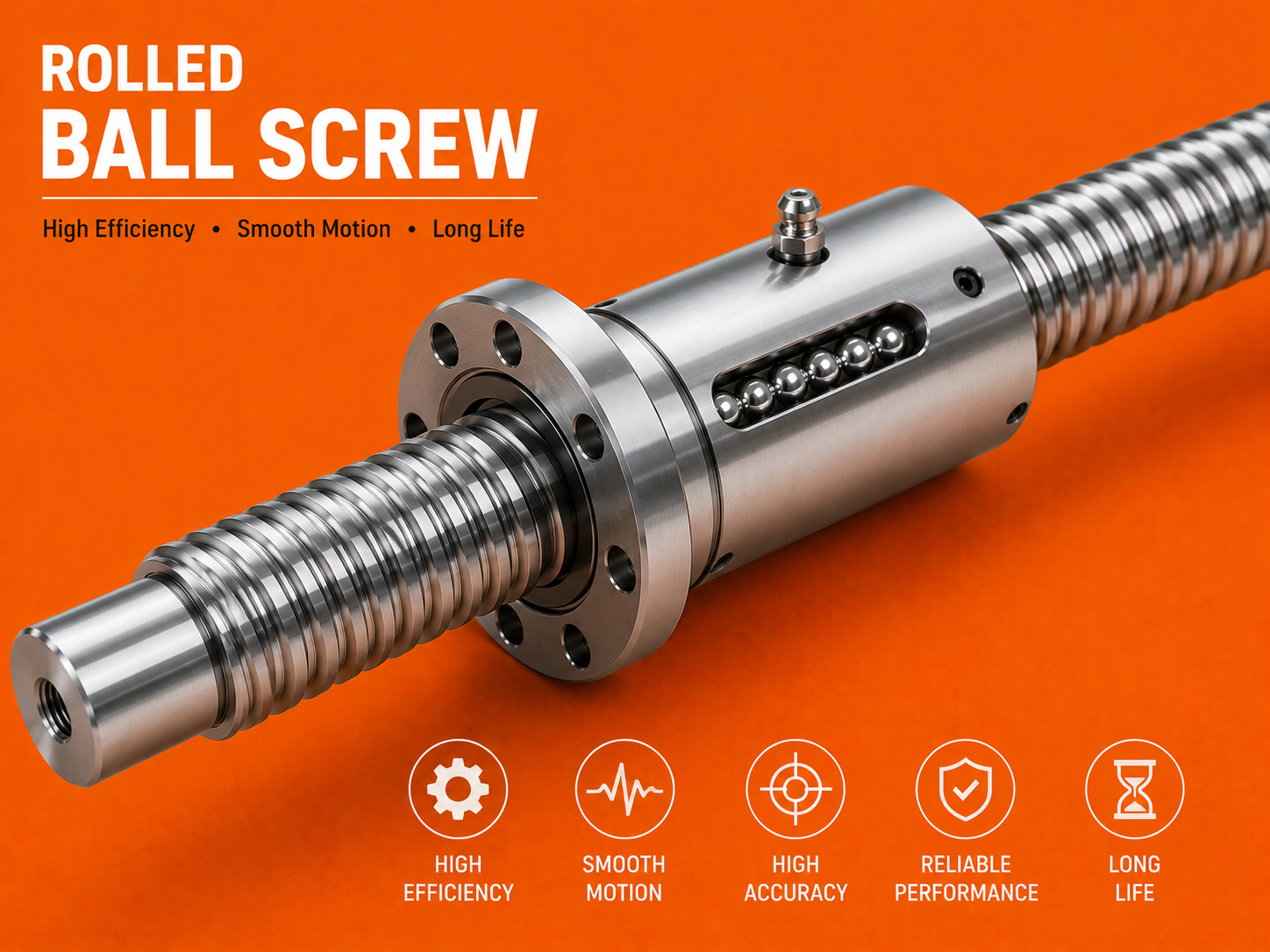 | Precision Ballscrews Balaji Engineering Works offers high-quality Rolled Ball Screws in Pune, designed for efficient linear motion with excellent performance and... View product → |
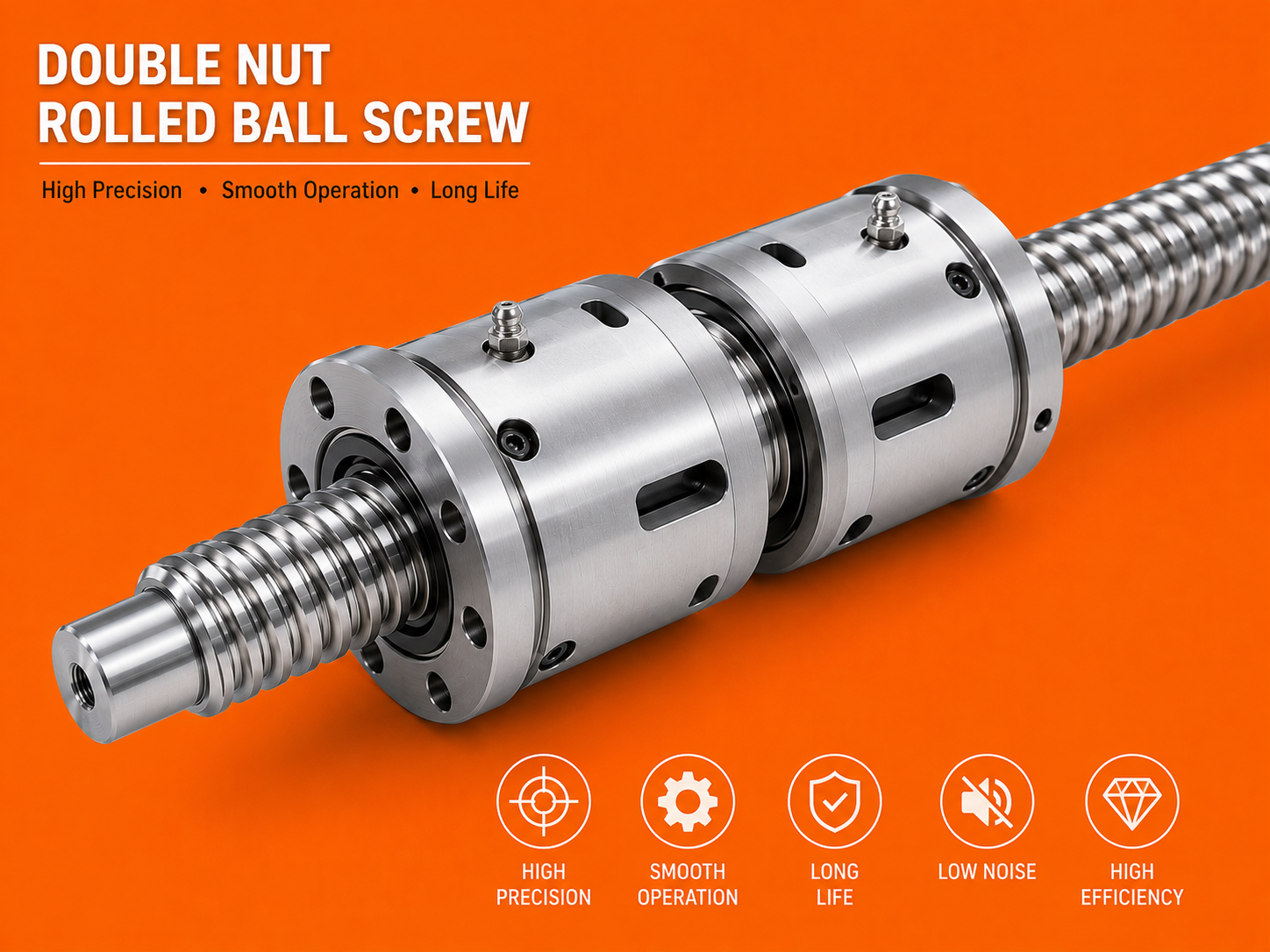 | Precision Ballscrews Balaji Engineering Works offers high-performance Double Nut Rolled Ball Screws in Pune, designed for applications requiring reduced backlash,... View product → |
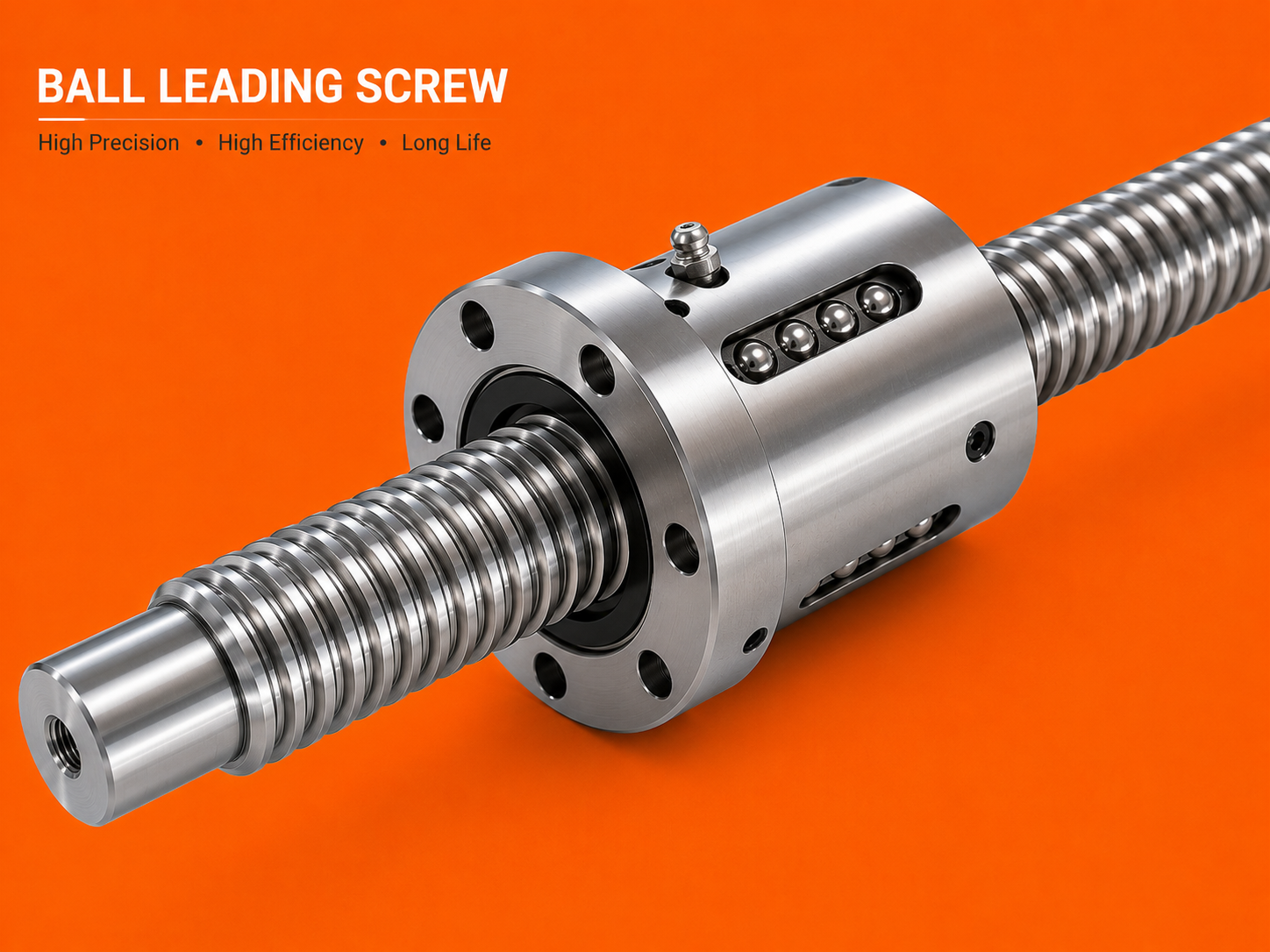 | Precision Ballscrews Balaji Engineering Works offers high-quality Ball Lead Screws in Pune, designed for precise and efficient conversion of rotary motion into linear... View product → |