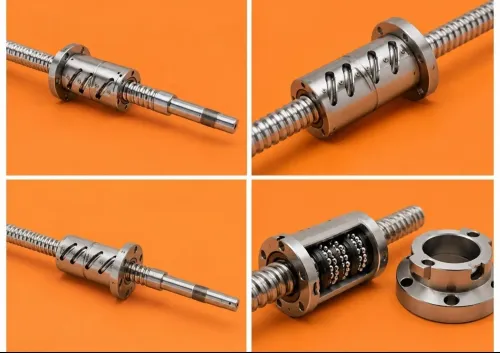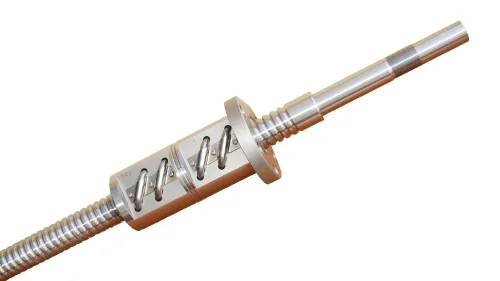

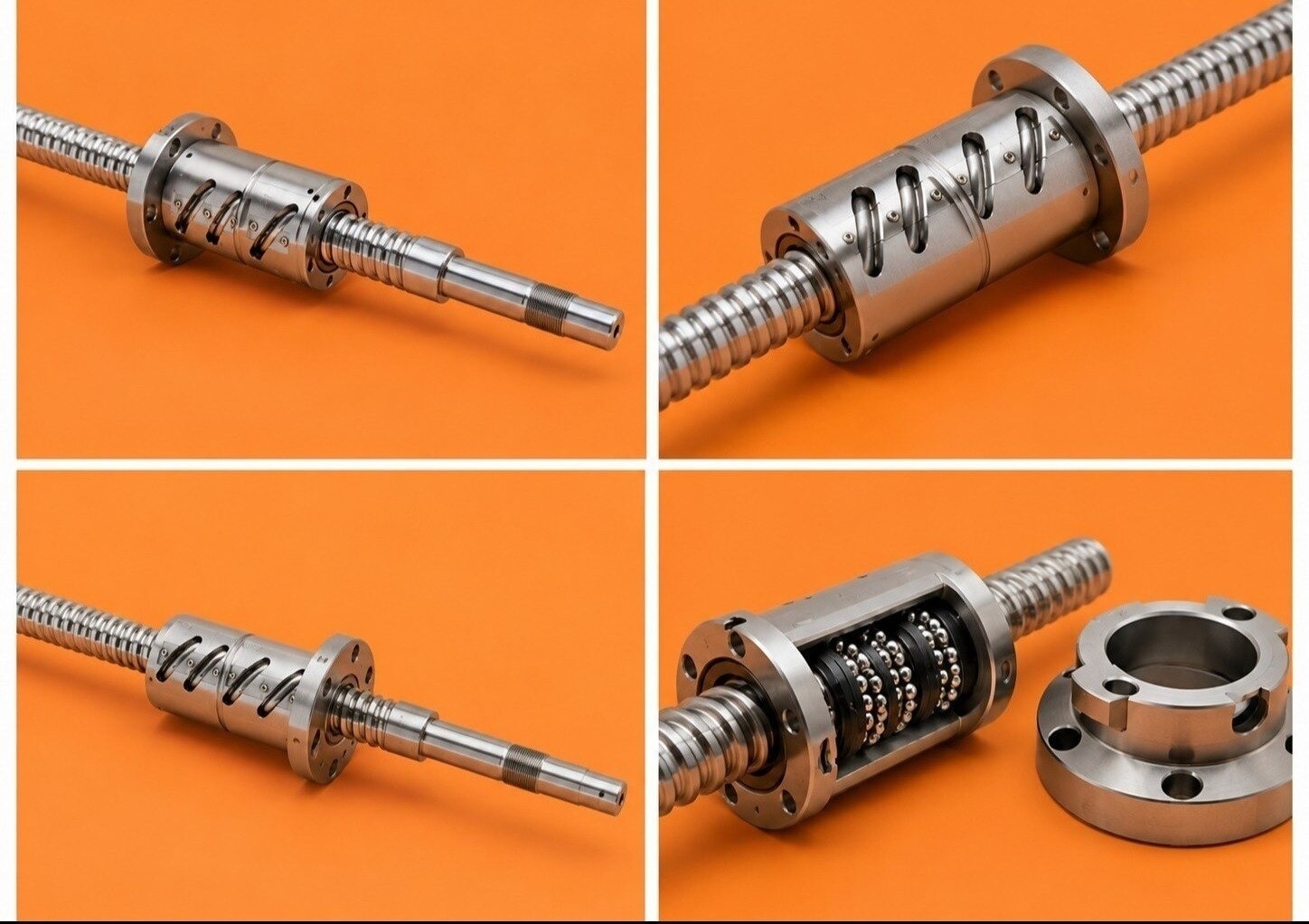
A precision ball screw earns its premium only when positioning error, repeatability, backlash, or interpolation quality affects the machine’s saleable output. By matching the axis duty, accuracy requirement, and total ownership cost against lead screws, belts, racks, and linear motors, you can decide where precision is valuable and where it is wasted.
Key takeaways
- Specify repeatability, backlash, lead accuracy, and travel instead of saying “precision.”
- Choose ground screws for tighter accuracy; choose rolled screws when cost and speed dominate.
- Check critical speed, load, heat, lubrication, and mounting before selecting screw diameter.
- Request test data, preload details, tolerances, and lifecycle assumptions in every quotation.
When the premium improves the machine rather than the quotation
Use a precision ball screw on an axis that must hold repeatable position, interpolate accurately, or maintain low backlash across a defined travel. CNC turning X and Z axes, milling axes, grinding slides, probing stations, tool positioning, and automated inspection gain the most because axis error reaches the saleable part.
That is the practical test behind “precision ball screw worth it in rajkot” and the clearest measure of precision ball screw benefits in rajkot. If the frame, guideways, tooling, thermal drift, or encoder already limits accuracy, a costlier screw will not repair the machine.
| Drive | Better choice when | Main trade-off |
|---|---|---|
| Precision ball screw | CNC cutting, grinding, probing, or inspection needs repeatability and interpolation | Higher purchase, mounting, lubrication, and contamination-control cost |
| Rolled ball screw plus linear encoder | A transfer or general feed axis needs useful accuracy at lower cost | Feedback corrects position, but stiffness, backlash, and screw wear still matter |
| ACME or trapezoidal lead screw | Low-speed clamping, simple adjustment, or load holding matters more than efficiency | More friction, heat, and wear |
| Rack-and-pinion or belt | Travel is long and speed matters more than fine positioning | Lower stiffness or greater backlash |
| Linear motor | High acceleration and minimal mechanical contact justify a major system investment | High integration cost and demanding thermal control |
Choose the alternative when the duty is intermittent, accuracy is set by the structure, or the axis only opens, clamps, or transfers parts. For a vertical ball-screw axis, include a brake or counterbalance: its efficiency prevents dependable self-locking.
Protect any selected screw with wipers, covers or bellows, correct grease, and a maintenance interval, or chips and coolant will erase the premium.
Turn the accuracy claim into a specification you can compare
The precision ball screw value for machine builders becomes comparable only when the supplier states machine-level figures, not a label such as “C5.” Request the governing accuracy standard, grade, nominal lead, usable travel, and the inspection temperature and support arrangement.
Ask for these figures in every quotation:
- Lead-accuracy tolerance over the full usable travel, plus the actual lead-error chart
- Axial and radial runout, stated in micrometres, with the measurement locations
- Preload value, breakaway torque, and running torque
- Backlash after installation, including the test load and measurement method
- Material, heat treatment, end-machining drawing, lubrication grade, and replacement-part identification
| Quoted item | What to compare | Why it matters |
|---|---|---|
| Lead accuracy | Tolerance over your actual travel, not only C0 to C10 grade | A screw can meet its grade yet exceed your axis error budget over a long stroke |
| Runout | Axial and radial values at the journals and screw body | Runout creates cyclic positioning error, vibration, and uneven bearing loading |
| Preload | Newtons or torque range, with nut arrangement | Excess preload raises heat and drive load; insufficient preload permits backlash |
| Inspection report | Serial number, temperature, supports, load, and measured chart | Without test conditions, two suppliers’ figures are not technically comparable |
Treat the screw as one part of the error budget. Guideway straightness, bearing runout, coupling alignment, encoder resolution, servo tuning, structural deflection, and thermal drift can consume the accuracy you paid for. Ask the supplier to show how its figures fit your axis tolerance.
Choose rolled or ground, then match the nut to the backlash requirement
Choose a rolled screw for moderate positioning demands and a ground screw when lead accuracy, interpolation, or repeatability directly affects part quality. Specify the accuracy grade under ISO 3408, nominal lead, usable-travel lead error, runout, and inspection conditions; “precision” alone does not make quotations comparable.
| Choice | Backlash and stiffness | Trade-off | Suitable use |
|---|---|---|---|
| Rolled screw | Depends on nut fit and preload | Lower cost; lead accuracy is usually less consistent | General feeds, transfer axes, and low-cost machines |
| Ground screw | Highest lead accuracy and better consistency | Higher price and tighter mounting demands | Grinding, probing, tool positioning, and CNC interpolation |
| Single nut | Low friction, but measurable axial backlash | Simplest and least expensive arrangement | Axes where backlash is corrected by control or does not affect the part |
| Preloaded single nut | Minimal backlash and higher stiffness | More friction, heat, drive torque, and wear | Precision axes with moderate load and speed |
| Double nut | Adjustable preload and stiffness | Longer package, higher cost, and alignment sensitivity | Heavy-duty precision axes requiring controlled backlash |
Do not choose maximum preload by default. Match it to axial load, speed, duty cycle, and required stiffness; excessive preload shortens life and raises motor temperature. The precision ball screw benefits in Rajkot are clearest on CNC turning and milling axes, grinding, probing, and automated inspection.
For a simple clamping or feed axis, a rolled screw with a linear encoder can deliver better value. Record the permitted backlash in micrometres before requesting a quote, then require measured preload and breakaway-torque data.
Check speed, load, heat, and mounting before selecting the diameter
A diameter is safe only after you check linear speed, axial load, unsupported length, and heat at the same time; a larger screw alone does not guarantee precision ball screw value for machine builders.
1. Calculate required rpm from travel speed divided by lead, then compare it with both the nut’s recirculation limit and the shaft’s critical speed. Critical speed changes with diameter, unsupported length, straightness, and fixed or floating bearing arrangement. A longer lead raises linear speed without removing critical-speed or buckling risk.
2. Check axial load, acceleration, duty cycle, and direction. A long screw under compression can buckle, especially on a vertical axis or heavy slide. Use the actual bearing span and mounting condition in the calculation, not catalogue length alone; oversizing adds inertia and motor torque.
3. Inspect the geometry around the screw. Misaligned end bearings, poor seat flatness, coupling runout, guideway error, or a flexible frame can consume the lead-accuracy budget and create uneven load on the nut. Mount the screw straight and leave room for proper support.
4. Treat contamination and temperature as design inputs. Chips, abrasive dust, coolant, and insufficient grease damage raceways and recirculation parts, so specify wipers, bellows or covers, lubricant, and a service interval. Measure heat from duty and nearby motors; thermal expansion changes position over travel. Include thermal compensation when the accuracy requirement demands it.
A supplier calculation should show life, critical speed, buckling, preload, and thermal assumptions.
Compare ownership cost and demand a quotation that proves the choice
A cheaper screw is not cheaper if alignment takes two days, lubrication is missed, or lost repeatability creates rejected parts. To judge whether “precision ball screw worth it in rajkot” is the right answer, price the complete axis over its expected service life.
| Cost item | Precision ground ball screw | Rolled ball screw or trapezoidal screw |
|---|---|---|
| Purchase | Higher component price; request grade and lead-error data | Lower entry price; confirm whether accuracy remains within the machine tolerance |
| Installation | Requires accurate seats, aligned supports, and coupling checks | More forgiving, but misalignment still accelerates wear |
| Maintenance | Lubrication schedule, seals, and replacement nut cost | Lower initial burden; wear can increase backlash and adjustment work |
| Downtime | Record expected life, replacement lead time, and spare-nut availability | Record adjustment frequency and the cost of accuracy loss |
| Accuracy | Quantify repeatability, interpolation, backlash, and thermal drift | Compare measured machine results, not labels such as “precision” |
Ask every ball screw manufacturer for machine builders in rajkot to quote the same usable travel, lead, axial load, speed, acceleration, duty cycle, preload, and mounting arrangement. Require these documents with the price:
- Load-and-life calculation, critical-speed check, breakaway torque, and lubrication recommendation
- Lead-accuracy inspection report showing the standard, grade, travel, and inspection temperature
- End-machining drawing, material and heat-treatment details, replacement-part identification, and delivery time
Balaji Engineering Works should be evaluated against competing suppliers using this identical document set; missing calculations transfer commissioning risk to you. Include machining, alignment, commissioning, planned lubrication, spare parts, rejected components, and downtime in the comparison—not only the invoice total.
Related products
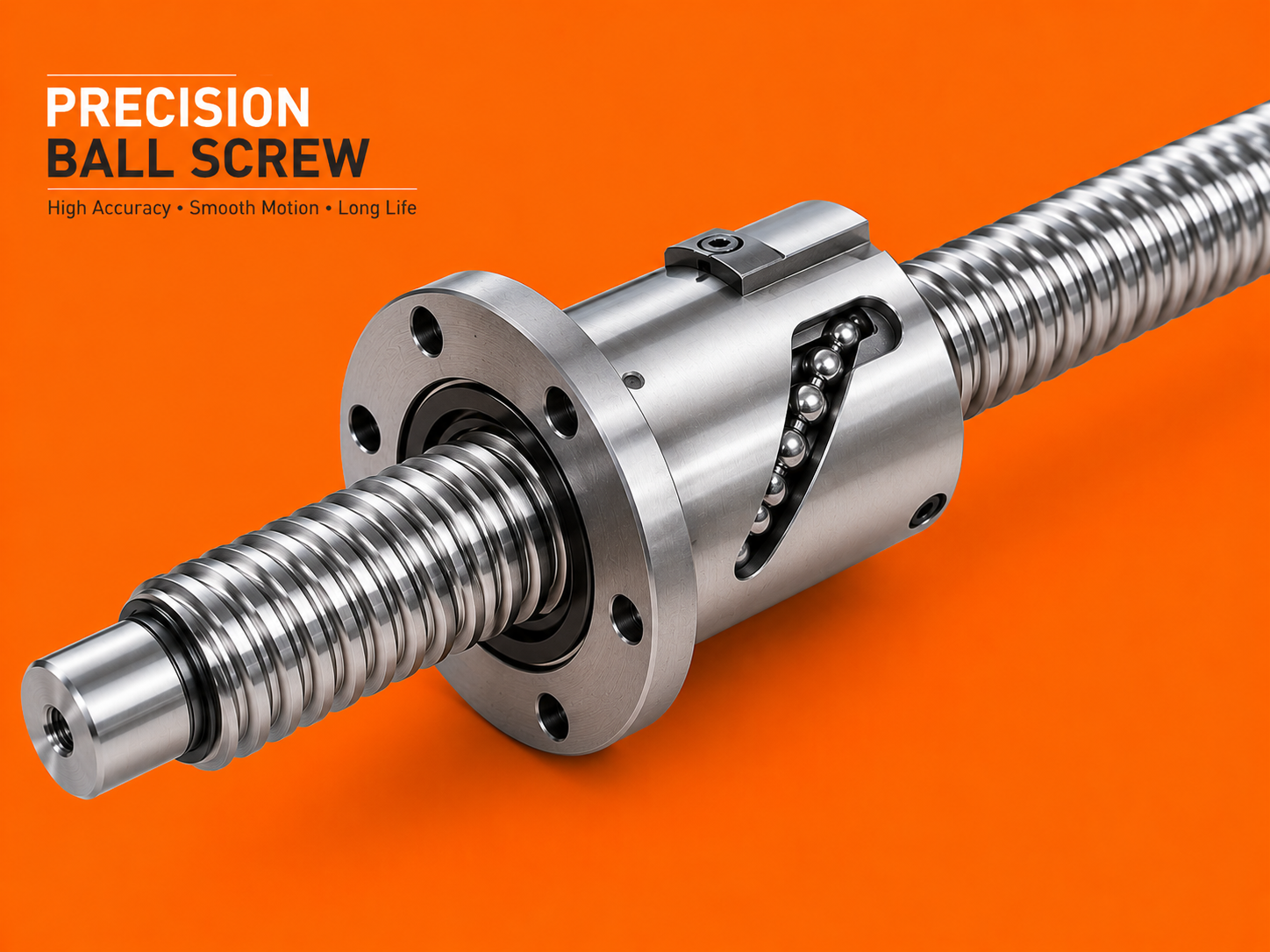 | Precision Ballscrews Balaji Engineering Works is a trusted manufacturer and supplier of Precision Ball Screws in Pune, designed for high-accuracy linear motion and... View product → |
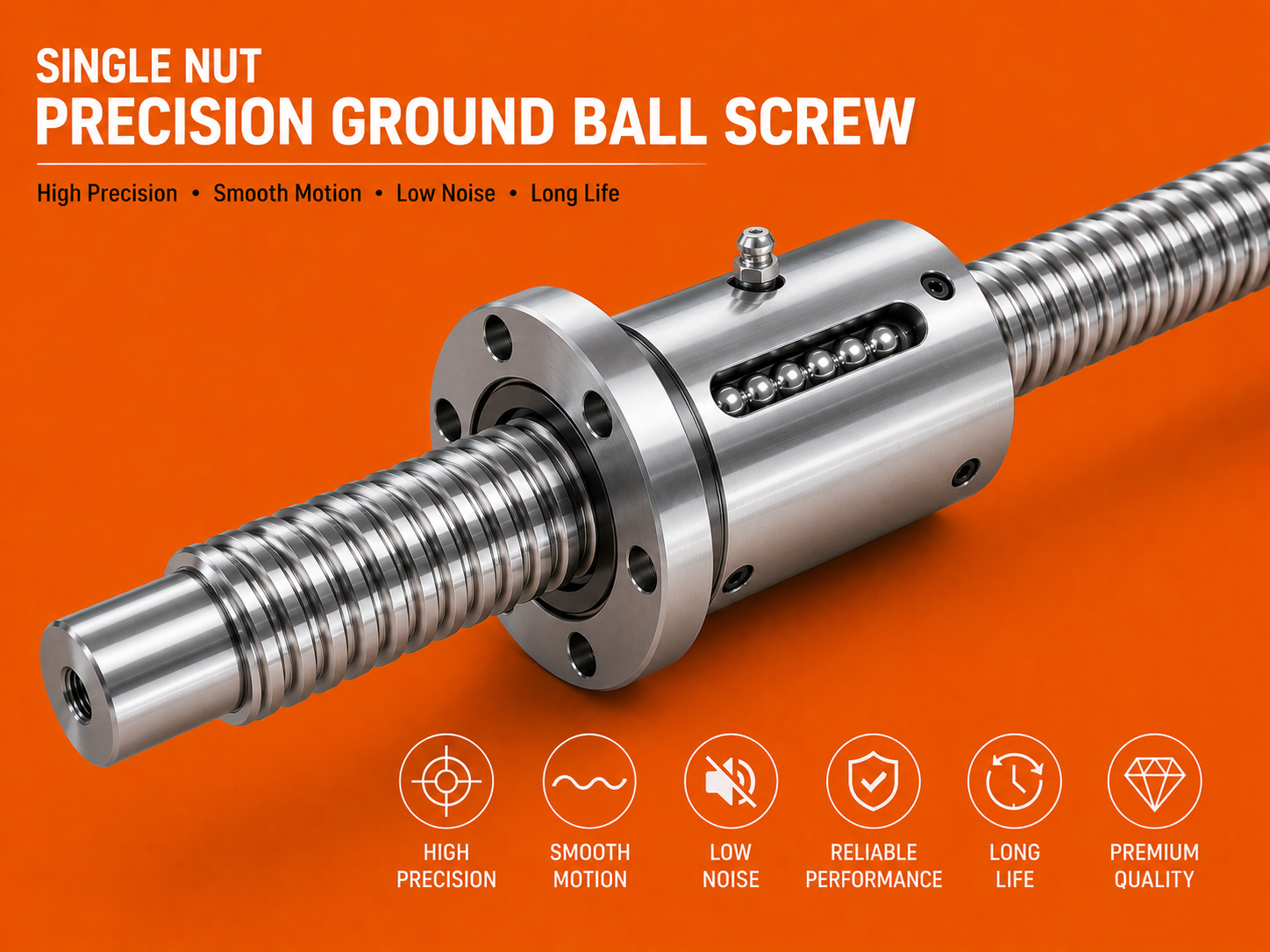 | Precision Ballscrews Single Nut Precision Ground Ball Screw Balaji Engineering Works offers high-precision Single Nut Precision Ground Ball Screws in Pune, engineered for applications requiring superior... View product → |
Frequently asked questions
When is a precision ball screw worth the premium for a machine builder?
It is worth the premium when axis error affects saleable parts, probing results, interpolation, repeatable positioning, or backlash-sensitive operations.
How can you compare ball screw accuracy claims?
Ask for lead accuracy, repeatability, backlash or axial play, preload, measurement length, measurement method, and test documentation.
Should you choose a rolled or ground ball screw?
Choose a ground screw for tighter lead accuracy and demanding positioning; choose a rolled screw when cost, throughput, and moderate accuracy are the priority.
What must you check before choosing ball screw diameter?
Check axial and radial load, unsupported length, critical speed, operating speed, acceleration, heat generation, lubrication, and mounting stiffness.
Related products
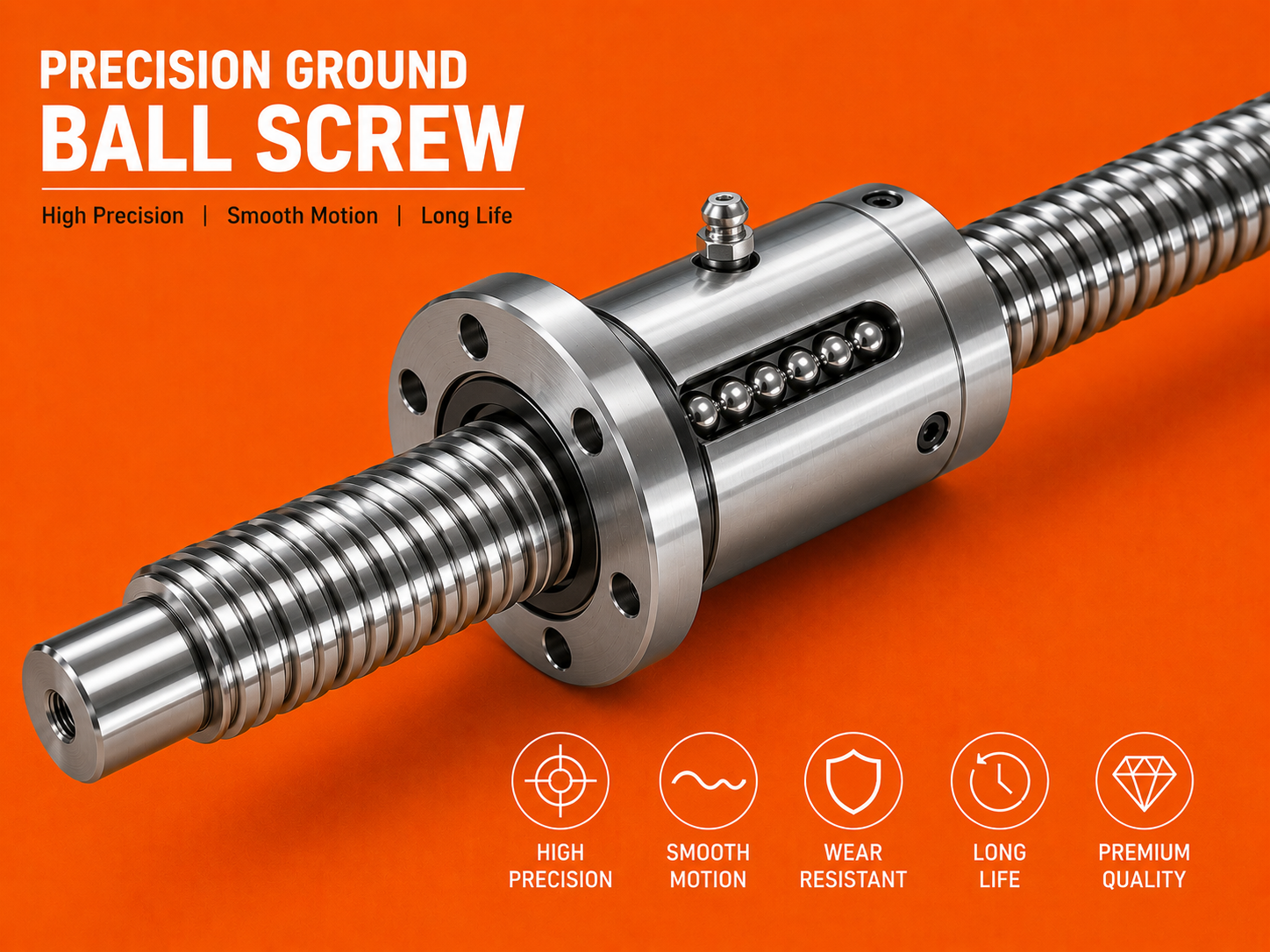 | Precision Ballscrews Balaji Engineering Works is a trusted manufacturer and supplier of Precision Ground Ball Screws in Pune, designed for applications that demand... View product → |
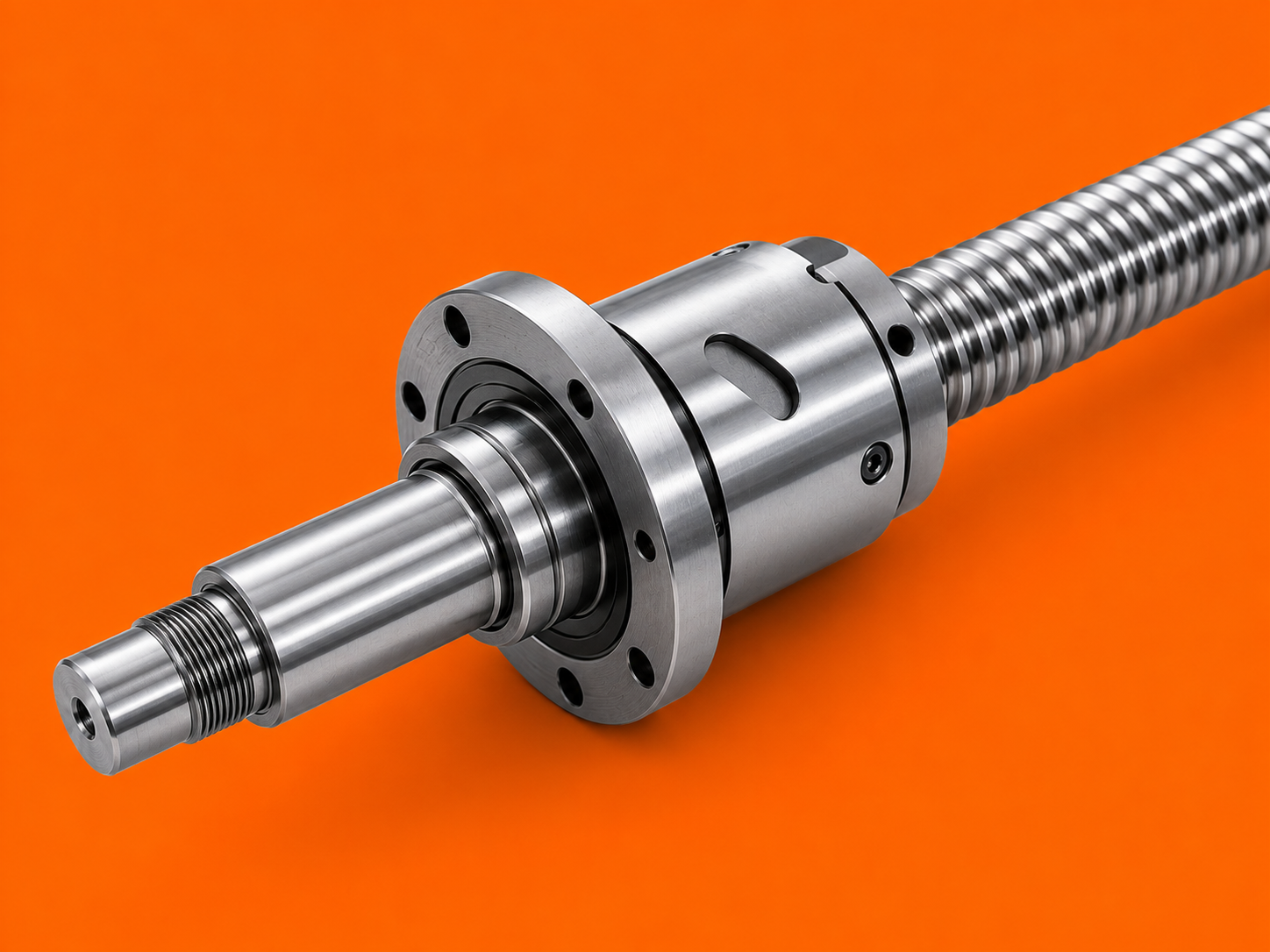 | Precision Ballscrews Balaji Engineering Works offers premium quality High Precision Ball Screws in Pune, designed for applications that demand exceptional accuracy,... View product → |
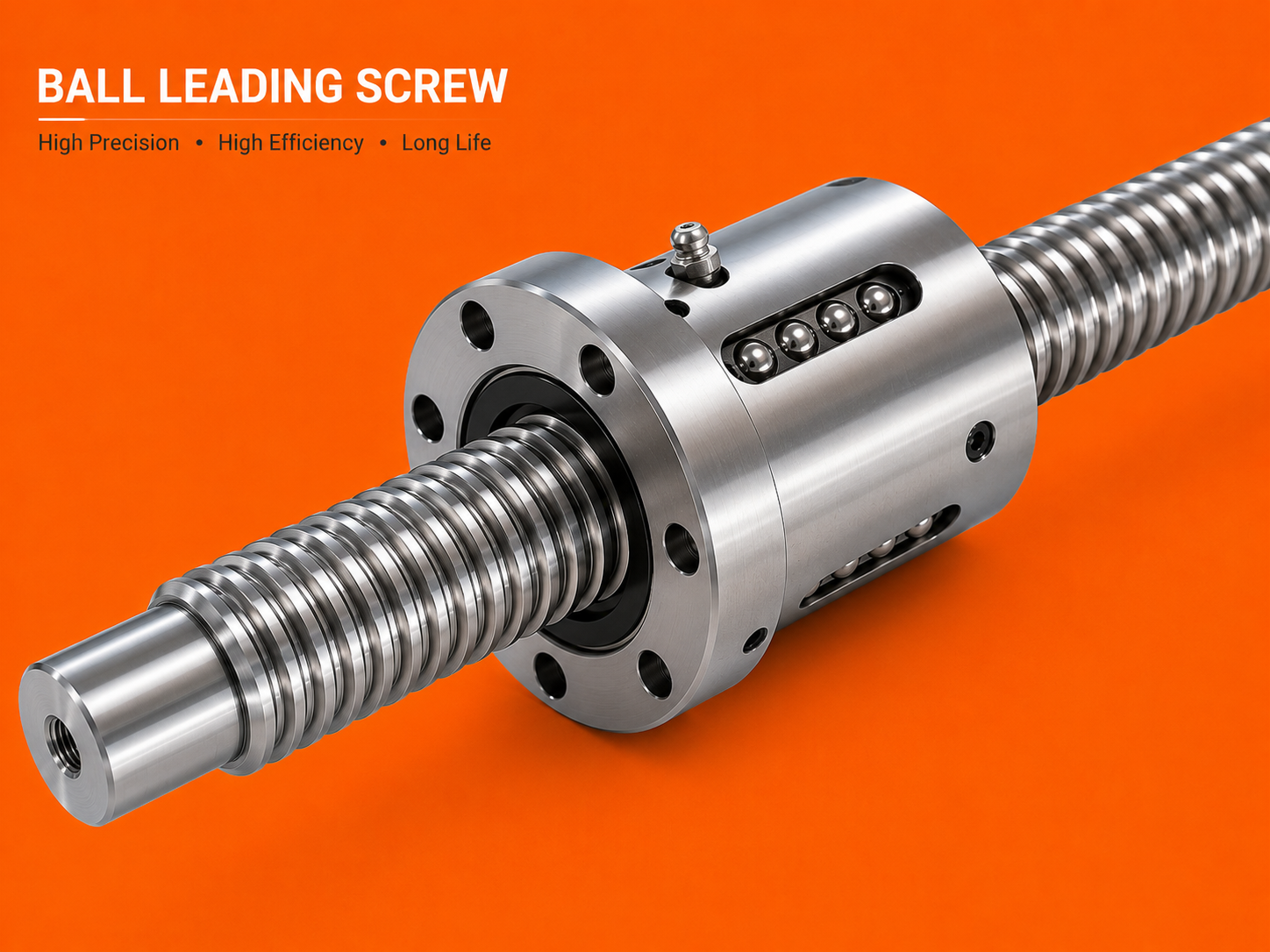 | Precision Ballscrews Balaji Engineering Works offers high-quality Ball Lead Screws in Pune, designed for precise and efficient conversion of rotary motion into linear... View product → |
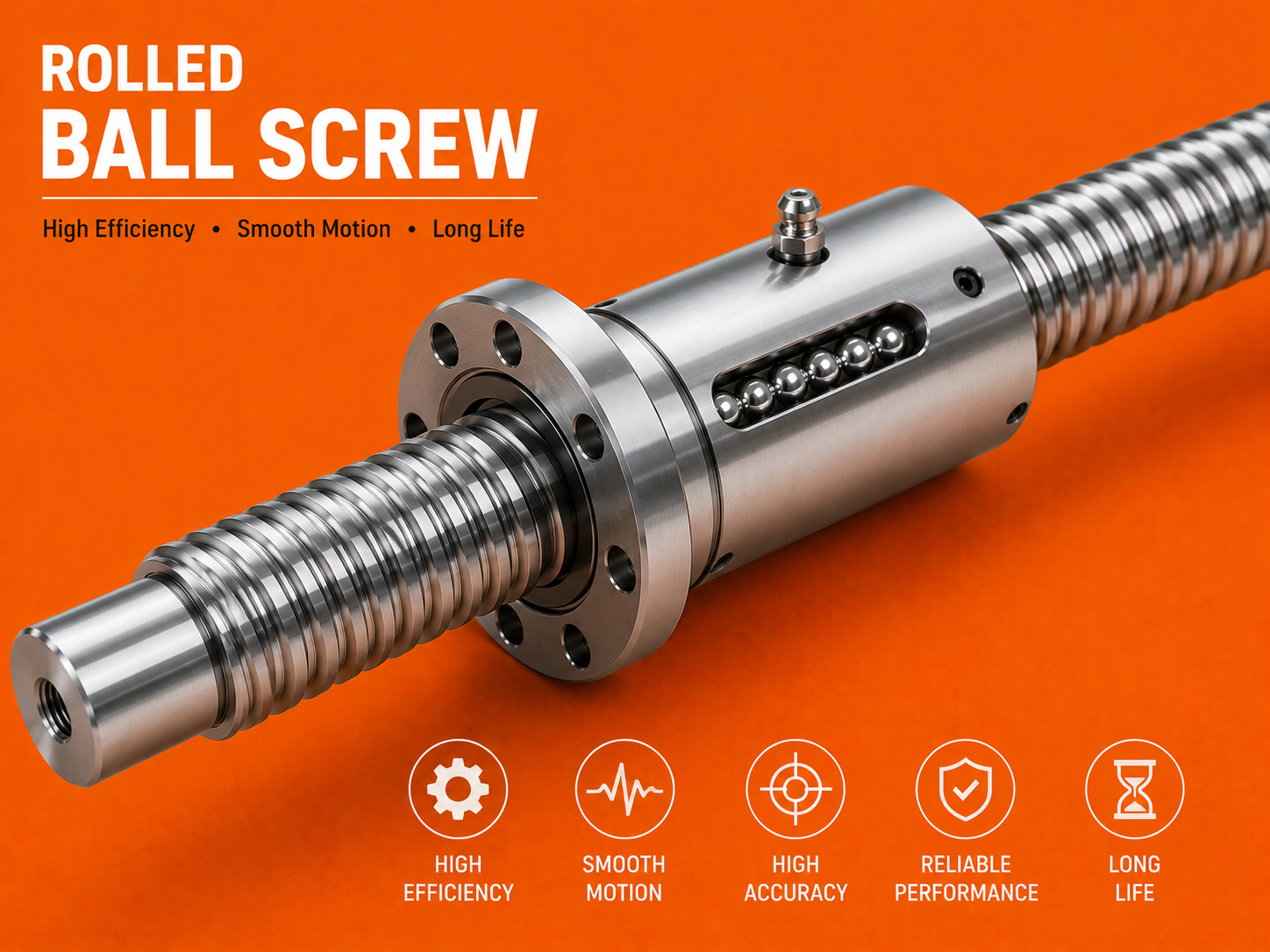 | Precision Ballscrews Balaji Engineering Works offers high-quality Rolled Ball Screws in Pune, designed for efficient linear motion with excellent performance and... View product → |